
US-Iran Strike Pause Enters Third Night Amid Hormuz Talks
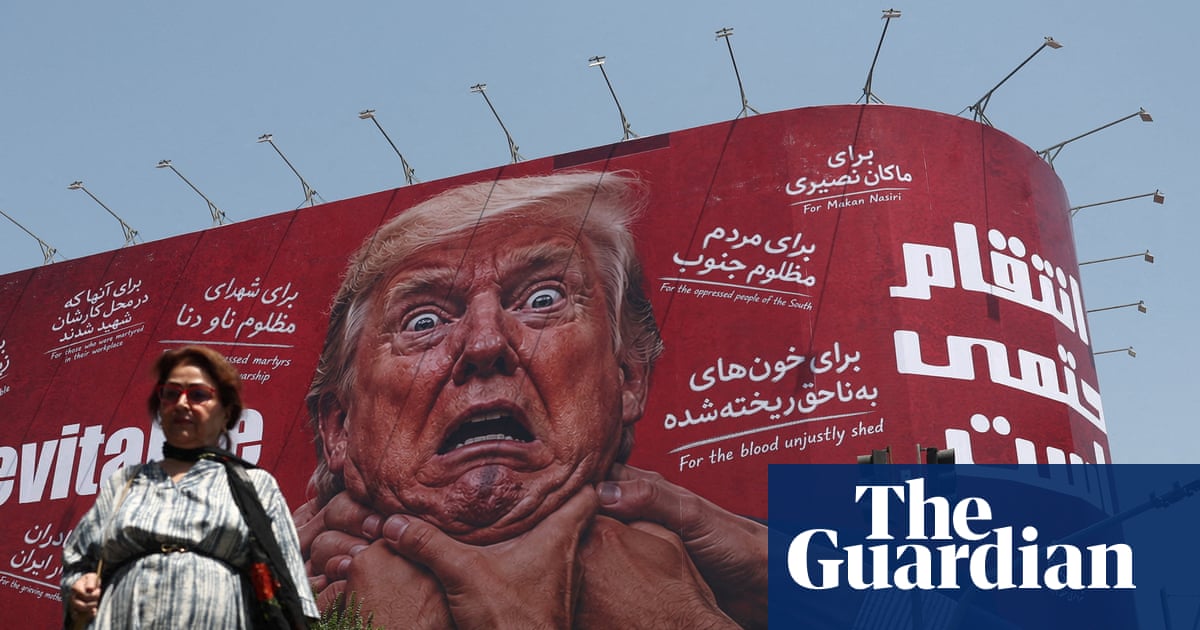
Cover image from theguardian.com, which was analyzed for this article
The US and Iran halted direct attacks for a third night, opening space for diplomacy through intermediaries. Oil prices eased while the Pentagon updated casualty figures from the conflict.
PoliticalOS
Monday, July 27, 2026 — Politics
The pause reflects mutual costs and depleted options on both sides rather than a decisive breakthrough. Core disputes over Hormuz control and sanctions remain unresolved, and side conflicts continue to risk broader spillover even as oil prices ease.
What outlets missed
The joint US-Israel character of the February 28 strikes that opened the current phase was omitted from several accounts, altering the timeline of escalation. Specific Pentagon reclassification of four deaths into an Overseas Operation category to address War Powers concerns received little attention outside defense-focused reporting. Iranian health ministry casualty claims for its own side remain unverified by independent sources and were presented without that caveat in multiple pieces. The precise terms of the China-led proposal delivered in Pakistan have not been disclosed publicly.
Global oil markets eased Monday after the United States and Iran halted direct strikes for a third consecutive night, creating room for renewed diplomacy through intermediaries. The pause followed nearly two weeks of US airstrikes and Iranian retaliatory attacks that had unraveled a June memorandum of understanding on the Strait of Hormuz. Brent crude fell more than 5 percent to around $91 a barrel.
US Ambassador to the United Nations Mike Waltz told broadcasters that President Donald Trump was giving talks space while keeping all military options available. Iranian army spokesman Mohammad Akraminia confirmed Tehran had stopped its own operations because its strategy remained retaliatory. No direct US-Iran negotiations are under way, Iranian Foreign Ministry spokesperson Esmail Baghaei said; talks instead involve Oman on managing shipping through the strait, which Iran continues to describe as closed.
The Pentagon updated its casualty database over the weekend, recording 18 US troops killed and 624 wounded since operations began February 28. Reports from multiple outlets noted administration concerns over air-defense interceptor stocks, though Trump and Waltz rejected claims of shortages. Axios reported that Central Command chief Adm. Brad Cooper advised halting strikes after targets were exhausted.
Separate military actions continued elsewhere. Saudi forces struck Houthi targets in Yemen after attacks on Red Sea shipping. Ukrainian forces struck an Iranian commercial vessel in the Caspian Sea, killing one sailor; Kyiv said the ship carried cargo supporting Russia. Iran called the strike a criminal act.
Negotiators face core disputes over the strait’s control, Iran’s nuclear program, sanctions relief, and Tehran’s regional proxies. Analysts at Deutsche Bank warned that simultaneous disruptions in the Gulf and Red Sea routes remain possible even during the lull.
More in Politics

Federal Agents Search Omar Home in Ongoing Immigration Probe
Homeland Security agents searched the Minnesota Democrat's DC residence in a criminal probe, prompting accusations of political intimidation from Omar and Democratic leaders. Coverage spans left-leaning outlets like NPR, BBC, and The Guardian alongside right-leaning criticism from The Federalist and Daily Wire.

Trump Diesel Import Plan Draws Pushback Over Russia Ties
The weekend agreement drew bipartisan congressional pushback and criticism from Ukraine's Zelenskyy, with analysts downplaying US fuel price impacts. Right-leaning outlets like National Review, Dispatch, and Washington Examiner questioned its legality and effectiveness.

Independents Test Voter Appetite for Middle Ground in 2026 Midterms
Nearly 200 independents are running in competitive races as voters weigh ballot measures on housing costs in states like Massachusetts. Left-leaning coverage from NYT, NPR, and Guardian highlights turnout and key races while right outlets focus on GOP strategy.
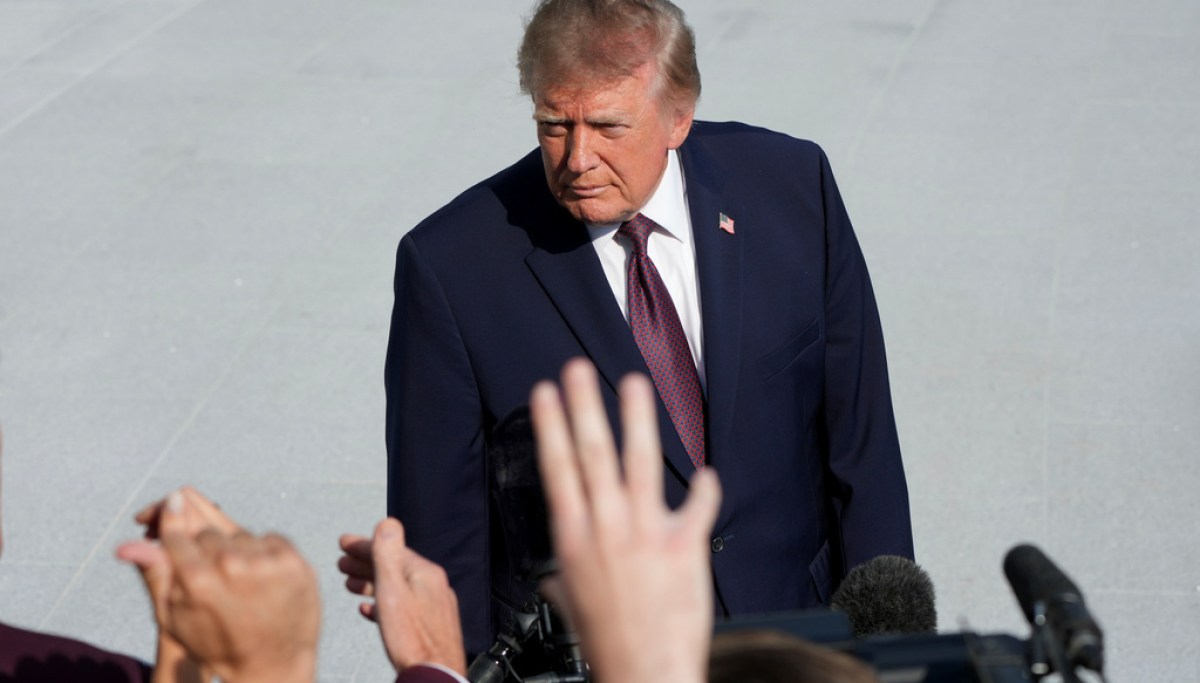
Trump Rallies in Alaska, Ohio to Bolster GOP Senate Candidates
The president rallied in Wasilla for Sen. Dan Sullivan and faced empty seats at an Ohio event amid midterm concerns. Outlets across the spectrum covered the trips as signals of GOP vulnerability weeks before Election Day.
The Compass
You just read five takes on one story.
What's your take? Find your political shape in a few minutes.
Take the test