
Trump Says Iran Deal Close, Tehran Says No Agreement Imminent

Cover image from aljazeera.com, which was analyzed for this article
President Trump indicated a deal including reopening the Strait of Hormuz is largely negotiated, though Iran stated no agreement is imminent despite progress on multiple issues. Rubio emphasized the US would pursue alternatives if talks fail, amid criticism from GOP hawks.
PoliticalOS
Monday, May 25, 2026 — Politics
Talks have produced a reported framework on the Strait of Hormuz and enriched uranium, yet Iran insists no deal is imminent and U.S. Republicans are already attacking the terms. The central uncertainty is whether the two sides can close the remaining gaps before alternatives to diplomacy are pursued.
What outlets missed
Most outlets omitted the specific pre-war uranium stockpile figure of 440 kilograms at 60 percent enrichment and its sourcing to U.S. intelligence assessments. Few noted that alternative export routes already raised Saudi and Emirati shipments well above pre-war levels, limiting immediate price shocks. Coverage also underplayed the role of the 60-day window pushing any final deadline past the November midterms and the absence of verified confirmation that Iran’s Supreme Leader had approved the broad template.
US and Iran Signal Progress Toward Ceasefire Extension but Face Internal Constraints
Iranian officials said Monday that talks with the United States have produced agreement on a substantial share of issues under discussion, while cautioning that a final accord remains far from certain. Foreign Ministry spokesman Esmail Baqai described the state of negotiations as advanced on many fronts yet stressed that no signing is imminent. The remarks followed a weekend in which President Donald Trump raised expectations of a breakthrough only to walk them back, telling negotiators not to rush.
The emerging framework centers on a 60-day extension of the existing ceasefire, which has held since early April, along with steps to reopen the Strait of Hormuz to broader shipping. A subsequent period would address longer-term questions, including the scale and timing of sanctions relief, the disposition of frozen Iranian assets, and limits on Iran’s nuclear activities. US Secretary of State Marco Rubio, speaking from New Delhi, described the current proposal as “a pretty solid thing on the table” but added that Washington would pursue alternatives if diplomacy stalls.
The pause in fighting has not yet produced a durable settlement because several core disputes remain unresolved. Iran continues to seek the release of funds held abroad and the lifting of sanctions that have curtailed its oil exports. The United States, for its part, wants verifiable constraints on Iranian enrichment and assurances that reopened maritime routes will not be used to evade existing restrictions. These issues are scheduled for later rounds precisely because they have resisted quick compromise.
Domestic politics on both sides have further slowed momentum. Within the Republican Party, several prominent figures have criticized the reported terms as insufficiently stringent, arguing that any easing of pressure would reward Iranian behavior without resolving underlying threats. Trump has responded by framing the prospective agreement as structurally different from the 2015 nuclear deal he withdrew from in 2018, emphasizing that it would avoid large cash transfers and would not leave enrichment pathways open. On the Iranian side, communication between negotiators and Supreme Leader Mojtaba Khamenei has reportedly been complicated by injuries he sustained earlier in the conflict, lengthening the time required for decisions.
The war itself, now in its 87th day, began with Israeli strikes and expanded to include direct US involvement and a naval blockade of Iranian ports. The Strait of Hormuz has remained effectively closed to most Iranian traffic, prompting workarounds by other Gulf producers and shifts in global supply routes. Those adjustments have limited the immediate economic shock outside Iran, yet the underlying vulnerability of energy transit through the waterway continues to shape bargaining.
Officials in both capitals have described the current moment as one in which neither side sees advantage in walking away, even as neither is prepared to accept the other’s full set of demands. The 60-day window under discussion would test whether incremental steps on shipping and sanctions can create space for more difficult nuclear talks. Whether that window opens depends on whether internal critics in Washington and communication bottlenecks in Tehran can be managed long enough for the narrower deal to take hold.
You just read Liberal's take. Want to read what actually happened?
More in Politics

Trump Defends Ramaswamy Ad Using Estranged Mother in Ohio Race
President Trump defended a GOP nominee's ad featuring a Democratic opponent's estranged mother, calling it powerful, while drawing criticism from some Republicans including Ohio Gov. Mike DeWine. The ad has sparked internal GOP tensions ahead of midterms.
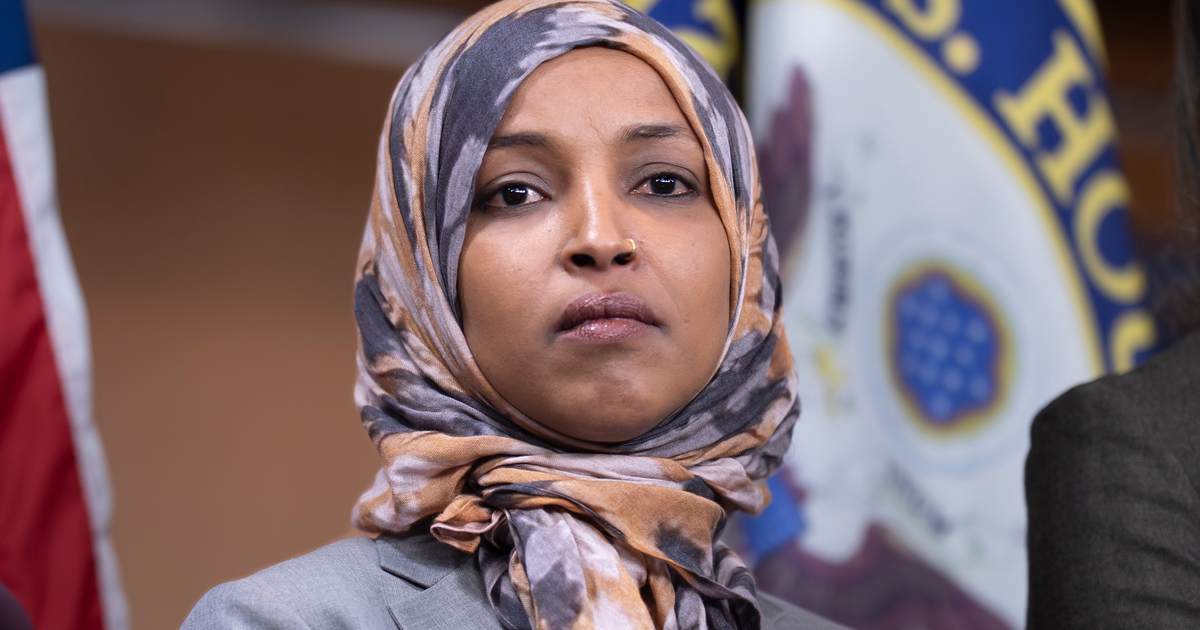
Federal Raid Targets Omar Amid Unresolved Name and Marriage Allegations
Agents searched Rep. Ilhan Omar's DC residence over immigration fraud allegations; she called it bizarre. Reports and commentary questioned her birth name and past marriage details.

Supreme Court Upholds New Hampshire Student ID Voting Ban
The Supreme Court upheld New Hampshire's ban on student IDs as valid voter identification just before midterms, affecting a tight Senate race.
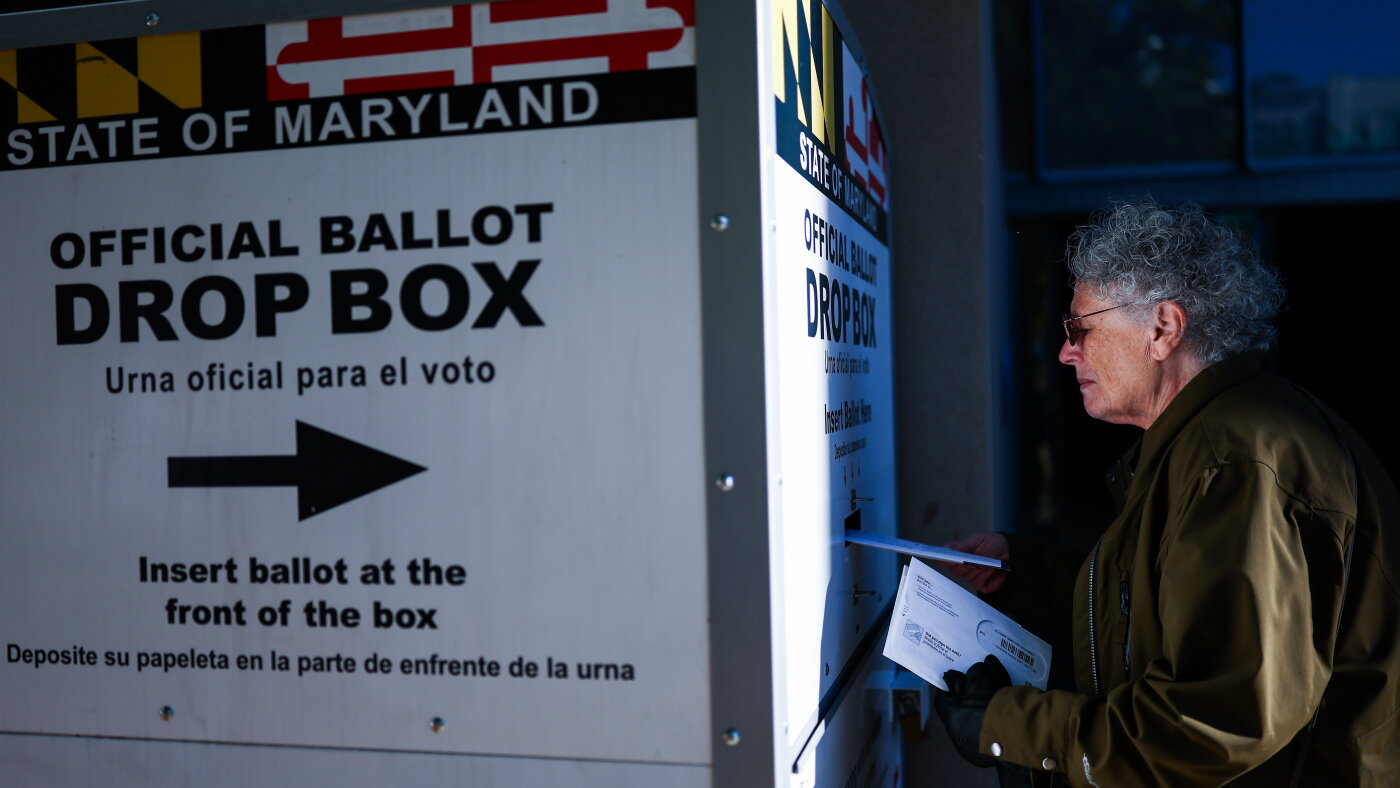
Early Voting Hits 21 Million as Most Trust Midterm Accuracy
Millions have already voted early as parties make final appeals amid $1.4 billion in ad spending; polls show confidence in election accuracy.
The Compass
You just read five takes on one story.
What's your take? Find your political shape in a few minutes.
Take the test