
US Pauses Hormuz Escorts as Iran Talks Near Framework Deal

Cover image from nypost.com, which was analyzed for this article
President Trump announced a pause to Project Freedom ship escorts in the Strait of Hormuz citing progress toward a one-page memo to end the Iran war after 67 days. Iranian officials signal interest in a comprehensive deal as military operations like Epic Fury conclude. The developments have eased tensions, lowered oil prices, and boosted market optimism.
PoliticalOS
Wednesday, May 6, 2026 — Politics
After two months of conflict that began with U.S. strikes in late February, a fragile April ceasefire, and limited clashes over the Strait of Hormuz, Washington and Tehran have signaled the closest alignment yet on a framework document to end active hostilities and begin detailed talks on nuclear limits, sanctions and shipping access. The U.S. pause of its escort operation buys time for mediators but leaves the blockade in place and key terms such as enrichment moratorium length still under negotiation. Iranian leadership divisions and past failed rounds mean any deal remains uncertain, yet markets have already priced in meaningful de-escalation.
What outlets missed
Most outlets underplayed or omitted the April 8 ceasefire that formally paused major combat weeks before Project Freedom launched, framing the current developments as a sudden pivot rather than implementation of an existing truce. Few provided consistent, attributed figures on total casualties or equipment losses on both sides, leaving readers without a full ledger of what the 67 days actually cost in lives and materiel. The precise timeline of Iran's initial strait closure on March 4 as retaliation, followed by the U.S. port blockade starting April 13, was rarely integrated, obscuring the sequence of mutual escalations. Details on the humanitarian conditions aboard stranded vessels, including specific shortages of food and medical supplies ahead of summer heat, appeared sporadically and without cross-verification. Finally, the role of Israeli strikes and objectives in the opening phase of Epic Fury received minimal treatment despite shaping Iran's negotiating posture.
US Declares Major Iran Operation Over as Nuclear Deal Talks Advance
Secretary of State Marco Rubio announced Tuesday that Operation Epic Fury, the two-month US and Israeli military campaign against Iran, has ended after achieving its core objectives of degrading Tehran’s missile forces and its capacity to protect a nuclear weapons program. The declaration came amid signs that Washington and Tehran are nearing a basic memorandum of understanding to halt active fighting and resume negotiations on Iran’s nuclear activities, mediated in part by Pakistan.
Rubio, speaking at the White House, described the operation that began February 28 as a limited but decisive effort. “We achieved the objectives of that operation,” he said. Those goals centered on destroying Iran’s missile-launching infrastructure and severely damaging its defense industrial base. The campaign also eliminated what Rubio called Iran’s “shield” behind which it could advance its nuclear work. With those aims met, the administration now favors diplomacy over further strikes.
The announcement follows a brief and chaotic episode in which President Trump launched “Project Freedom,” a humanitarian escort mission to help more than 20,000 sailors from dozens of nations escape the Persian Gulf after Iran effectively closed the Strait of Hormuz through mines and attacks on shipping. Trump suspended the operation after just one day, citing progress in back-channel talks. The pause appears designed to test whether Iran will commit to concrete steps rather than prolong a conflict that has already driven up global energy prices and disrupted trade in oil, fertilizer and other commodities.
Multiple sources familiar with the negotiations told outlets including Axios and the New York Post that the two sides are close to a one-page agreement. The draft memorandum would declare an end to hostilities, impose a moratorium on Iranian uranium enrichment, and outline a 30-day window for fuller talks on sanctions relief, release of frozen Iranian assets, and guaranteed free passage through the Strait of Hormuz. Pakistani intermediaries have shuttled proposals between the parties, and both sides have submitted revised texts since an earlier round in Islamabad produced no breakthrough.
The pace of events over the past 48 hours has been rapid. On Sunday Trump announced Project Freedom as a defensive measure to prevent Iran from holding international commerce hostage. Iran responded with renewed missile activity. By Tuesday Rubio was telling reporters the military phase was over and that Tehran now faces a choice between continued isolation and a pragmatic settlement. Administration officials note that Iran’s leadership is itself divided, with some factions appearing more open to compromise after the loss of key military capabilities.
This development stands in contrast to the pattern of previous American approaches to Iran. For years Tehran advanced its nuclear infrastructure while American and European diplomats offered concessions that failed to produce lasting restraints. The current administration chose a different sequence: first apply decisive force to alter the facts on the ground, then invite negotiation from a position of demonstrated strength. The results appear to have brought Iran closer to the table than years of sanctions and diplomacy conducted while its enrichment capacity grew.
The economic consequences of the conflict remain visible. Global fuel prices have climbed sharply since late February, contributing to higher costs for airlines, farmers and consumers. Two million airline seats have been cut from schedules this month alone, according to industry reports. The Strait of Hormuz, through which roughly one-fifth of global oil trade normally passes, has been contested for more than two months. Rubio emphasized that the waterway cannot be allowed to become a chokepoint controlled by threats. “The Straits of Hormuz do not belong to Iran,” he said. “We cannot accept a world where you have to pay them a toll.”
Critics of the original decision to strike Iran warned that the United States risked another prolonged Middle East war. Those concerns have not materialized. The operation remained focused on specific military targets rather than ground occupation or indefinite nation-building. No American ground troops were committed. The administration appears intent on avoiding the open-ended commitments that characterized earlier conflicts in the region.
Still, caution is warranted. Iranian responses to the latest proposals are expected within 48 hours. Even if an initial memorandum is signed, implementation will depend on verification of the enrichment freeze and Tehran’s willingness to accept stricter limits than those in the 2015 nuclear agreement, which the Trump administration abandoned in 2018. U.S. officials remain divided internally on whether Iran’s fractured leadership can deliver a durable commitment.
For the moment the trajectory has shifted from escalation to negotiation. The pause in Project Freedom and the formal end of Operation Epic Fury suggest the administration believes it has created conditions in which diplomacy has a realistic chance. Whether that judgment proves correct will depend on whether Iran chooses to lock in the losses it has suffered or attempts to rebuild its capabilities under the cover of talks.
The episode illustrates a recurring truth about international affairs: power matters. Iran accelerated its nuclear and missile programs during periods when American policy emphasized engagement without enforcement. Once faced with tangible costs, its behavior changed. The challenge now is to translate military success into a stable arrangement that prevents both nuclear proliferation and renewed attacks on commercial shipping. A one-page memo is not a final treaty, but it may represent the narrow path out of a conflict that has already imposed measurable costs on the global economy. The coming days will reveal whether Iran’s leaders recognize that reality.
You just read Conservative's take. Want to read what actually happened?
More in Politics
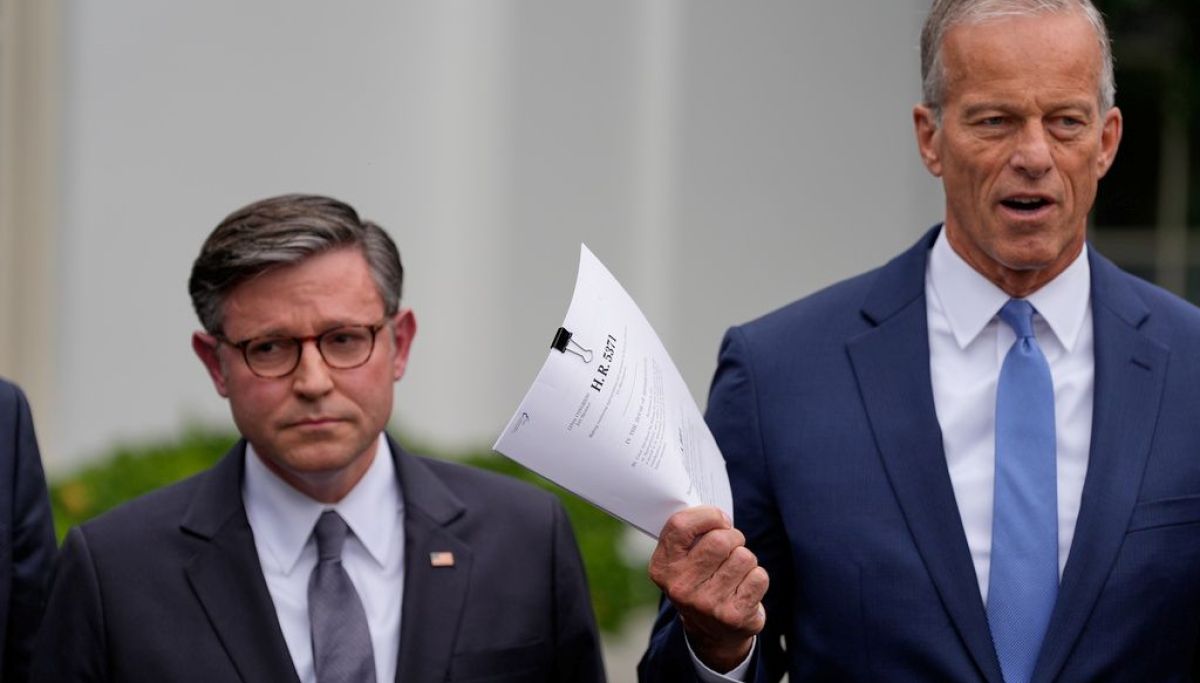
Trump at 32% Approval as Gas Prices Test GOP Midterm Hopes
NYT/Siena polling showed Trump's approval at historic lows around 32 percent with Democrats leading by double digits in key districts. Early voting has surged in battleground states.

Record Early Voting Hits Battlegrounds, Shifting Partisan Shares
AP analysis found hundreds of thousands more early ballots than in 2022 in states including Texas, Ohio, Kansas, Maine, and North Carolina, shifting partisan dynamics.
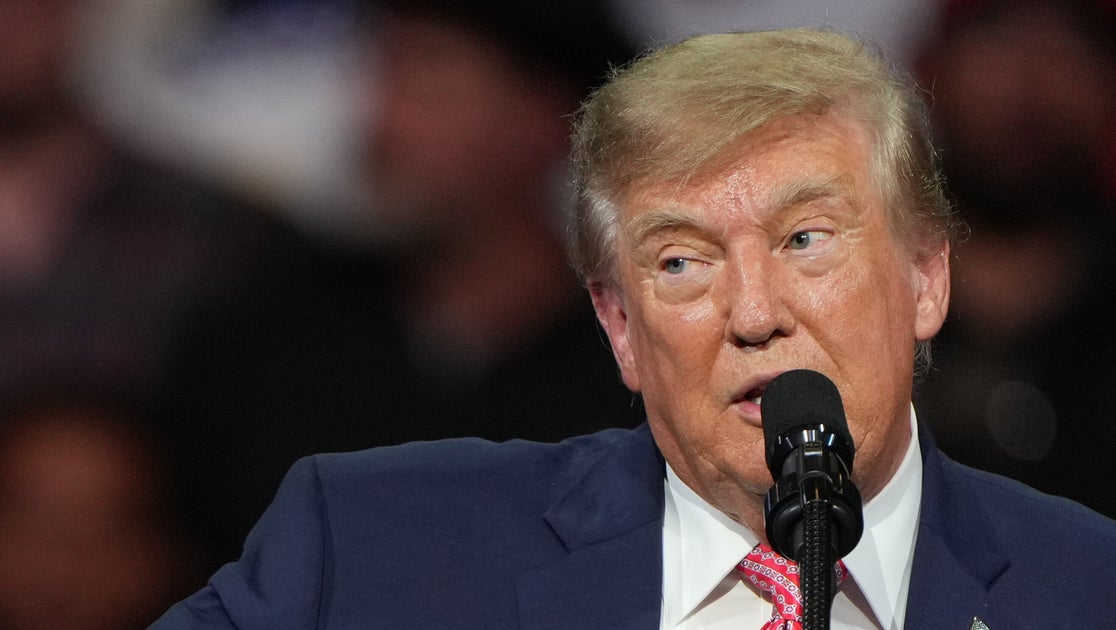
Trump Backs Marshall in Kansas Senate Race Tightened by Farm Costs
President Trump rallied in deep-red Kansas for GOP Sen. Roger Marshall in a competitive race, announcing an $8 billion farm fuel relief program amid high diesel prices. Democrats see an opening to end 94 years of GOP dominance in the state.

Trump Pauses Russia Sanctions Amid Ukraine Tensions and Missile Strikes
Trump waived sanctions on Russia and floated trilateral talks with Putin and Xi as part of ending the Ukraine war, while tensions rose with Zelenskyy over Starlink and arms. Bipartisan senators engaged Zelenskyy amid the shifts.
The Compass
You just read five takes on one story.
What's your take? Find your political shape in a few minutes.
Take the test