
US Pauses Hormuz Escorts as Iran Talks Near Framework Deal

Cover image from nypost.com, which was analyzed for this article
President Trump announced a pause to Project Freedom ship escorts in the Strait of Hormuz citing progress toward a one-page memo to end the Iran war after 67 days. Iranian officials signal interest in a comprehensive deal as military operations like Epic Fury conclude. The developments have eased tensions, lowered oil prices, and boosted market optimism.
PoliticalOS
Wednesday, May 6, 2026 — Politics
After two months of conflict that began with U.S. strikes in late February, a fragile April ceasefire, and limited clashes over the Strait of Hormuz, Washington and Tehran have signaled the closest alignment yet on a framework document to end active hostilities and begin detailed talks on nuclear limits, sanctions and shipping access. The U.S. pause of its escort operation buys time for mediators but leaves the blockade in place and key terms such as enrichment moratorium length still under negotiation. Iranian leadership divisions and past failed rounds mean any deal remains uncertain, yet markets have already priced in meaningful de-escalation.
What outlets missed
Most outlets underplayed or omitted the April 8 ceasefire that formally paused major combat weeks before Project Freedom launched, framing the current developments as a sudden pivot rather than implementation of an existing truce. Few provided consistent, attributed figures on total casualties or equipment losses on both sides, leaving readers without a full ledger of what the 67 days actually cost in lives and materiel. The precise timeline of Iran's initial strait closure on March 4 as retaliation, followed by the U.S. port blockade starting April 13, was rarely integrated, obscuring the sequence of mutual escalations. Details on the humanitarian conditions aboard stranded vessels, including specific shortages of food and medical supplies ahead of summer heat, appeared sporadically and without cross-verification. Finally, the role of Israeli strikes and objectives in the opening phase of Epic Fury received minimal treatment despite shaping Iran's negotiating posture.
Trump Ends Iran Bombing Campaign as Rubio Declares Operation Epic Fury Concluded
The two-month American military campaign against Iran came to an abrupt end Tuesday with Secretary of State Marco Rubio announcing that Operation Epic Fury had achieved its goals and that Washington now favored peace over more fighting. President Trump followed by suspending the freshly announced Project Freedom escort mission in the Strait of Hormuz after just one day, citing progress in back-channel talks. The sudden pivot ends a conflict that began with Israeli encouragement and American bombs on February 28 but has left ordinary Americans paying higher prices at the gas pump and grocery store while Washington insiders declare victory.
Rubio, speaking at a chaotic White House briefing, told reporters the operation was over because its limited aims had been met. Those aims, he said, were degrading Iran’s missile-launching ability and smashing the defense industrial base that protected its nuclear sites. “Their ability to build a shield behind which they could hide their nuclear program was wiped out,” Rubio said. He added that the United States prefers “the path of peace” and a deal rather than fresh fighting. Pakistani mediators have been shuttling proposals between Washington and Tehran, and both sides have reportedly moved closer to a one-page memorandum of understanding that would pause the hot war, freeze Iran’s nuclear enrichment, reopen the strait to shipping, and ease some sanctions.
The announcement capped 48 hours of visible confusion. On Sunday Trump unveiled Project Freedom as a humanitarian effort to guide 23,000 sailors from 87 countries out of the Persian Gulf where they had been trapped for weeks. Iranian forces responded with more attacks, mines, and missile fire. By Tuesday night Trump posted that the mission was “paused for a short period of time” to allow talks to continue. The ceasefire that technically existed before the Hormuz flare-up appears to be holding, though both sides traded fire in recent days and Pentagon officials had to insist the truce was still intact even as explosions echoed.
This is not the clean, easy victory Trump once promised. When the strikes began in late February, the president said the operation would be simple, much like the lightning move in Venezuela earlier this year. He predicted Iran’s regime would crumble quickly. Instead the fighting dragged on for 67 days, shut down one of the world’s most important oil chokepoints, and sent energy prices climbing. Jet fuel costs have spiked so sharply that airlines have already cut two million seats from schedules this month. American families are seeing $4.48 gasoline in some places and higher prices for goods that move by ship. The same people who cheered the loudest for confrontation are rarely the ones who feel those costs at the supermarket or the filling station.
Critics inside the administration had warned against another Middle East quagmire. Vice President JD Vance and Joint Chiefs Chairman Gen. Dan Caine reportedly expressed reservations before the first bombs fell. Those concerns were brushed aside by voices closer to Israeli Prime Minister Benjamin Netanyahu and the familiar chorus of Washington defense hawks who have spent decades urging American firepower against one Muslim country after another. The pattern is by now familiar: maximalist goals are sold to the public, the mission creeps, the costs mount, and eventually someone in authority admits it is time to stop. Tuesday’s announcement carried echoes of past “mission accomplished” declarations that preceded years of additional entanglement.
Still, the speed of the reversal deserves notice. Trump’s decision to halt the Hormuz escort operation within 24 hours suggests he recognized the risk of sliding into a wider naval conflict at a moment when American supply chains are already strained. Negotiators Steve Witkoff and Jared Kushner have been working directly and through intermediaries on the proposed memorandum. According to sources close to the talks, it includes an Iranian commitment to halt enrichment for now, American willingness to release frozen funds, and mutual steps to restore freedom of navigation in the strait. Iran’s leadership is said to be divided, making any final bargain uncertain. Yet the White House believes it is closer to an understanding than at any point since the shooting started.
The economic damage is already done. Global shipping has rerouted around the blocked strait, driving up fertilizer and fuel prices that hit American farmers and drivers hardest. European and Asian economies dependent on Gulf oil are feeling the pain too, but it is American taxpayers and consumers who bankrolled the munitions and will absorb the higher cost of living that follows every Middle East blowup. For decades the foreign policy establishment has treated these expeditions as cost-free demonstrations of resolve. The rest of the country gets the bill.
Whether this really marks the end of hostilities remains to be seen. Iran retains influence through proxies, and hardliners on both sides may yet sabotage the emerging deal. Rubio himself noted that Tehran faces “a fracture in their own leadership system,” which could complicate any agreement. For now the guns have quieted, the Hormuz escort mission is on ice, and diplomats are scrambling to put promises on paper.
The larger lesson should not be ignored. Once again the United States was pulled toward open-ended conflict in the Middle East on the promise that this time it would be different, quick, and decisive. Instead it produced two months of bombing, a temporary shutdown of global energy flows, and higher prices for working families at home. The sudden decision to declare the operation concluded and pivot toward talks may be the most prudent move Washington has made in the entire episode. It suggests that even this administration, after listening to the usual voices urging more force, recognized that another forever war was not in America’s interest. The test now is whether the paper promises being negotiated in Islamabad and elsewhere produce a genuine off-ramp or simply set the stage for the next round of confrontation. Americans who have watched these cycles for a generation will be forgiven for remaining skeptical.
You just read America First's take. Want to read what actually happened?
More in Politics

Trump Defends Ramaswamy Ad Using Estranged Mother in Ohio Race
President Trump defended a GOP nominee's ad featuring a Democratic opponent's estranged mother, calling it powerful, while drawing criticism from some Republicans including Ohio Gov. Mike DeWine. The ad has sparked internal GOP tensions ahead of midterms.
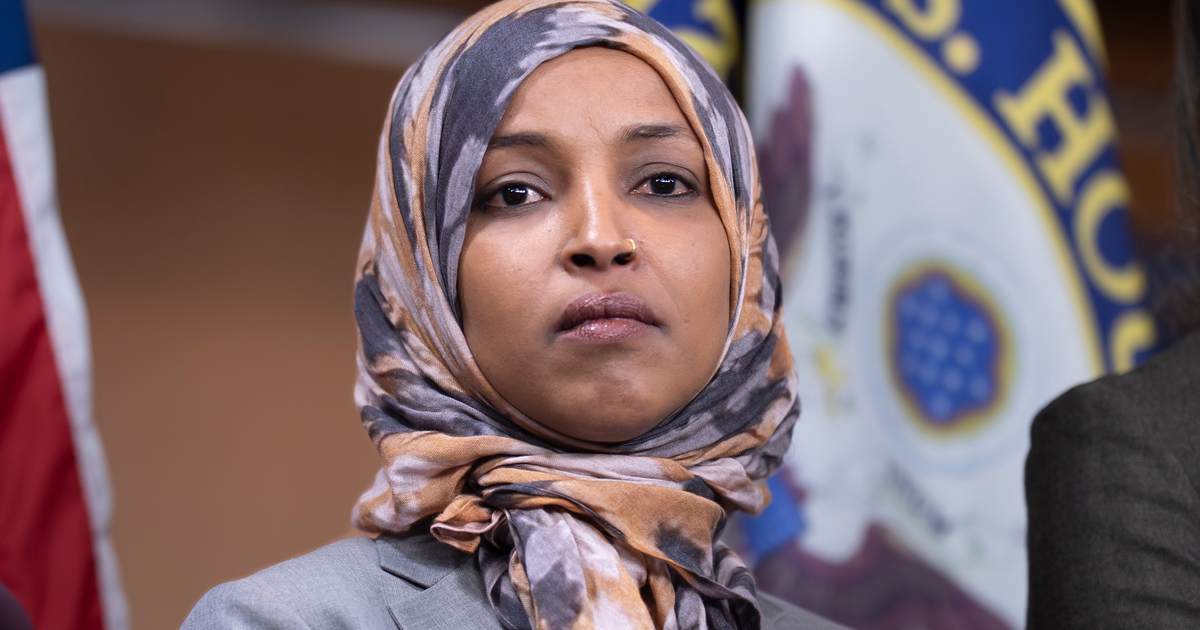
Federal Raid Targets Omar Amid Unresolved Name and Marriage Allegations
Agents searched Rep. Ilhan Omar's DC residence over immigration fraud allegations; she called it bizarre. Reports and commentary questioned her birth name and past marriage details.

Supreme Court Upholds New Hampshire Student ID Voting Ban
The Supreme Court upheld New Hampshire's ban on student IDs as valid voter identification just before midterms, affecting a tight Senate race.
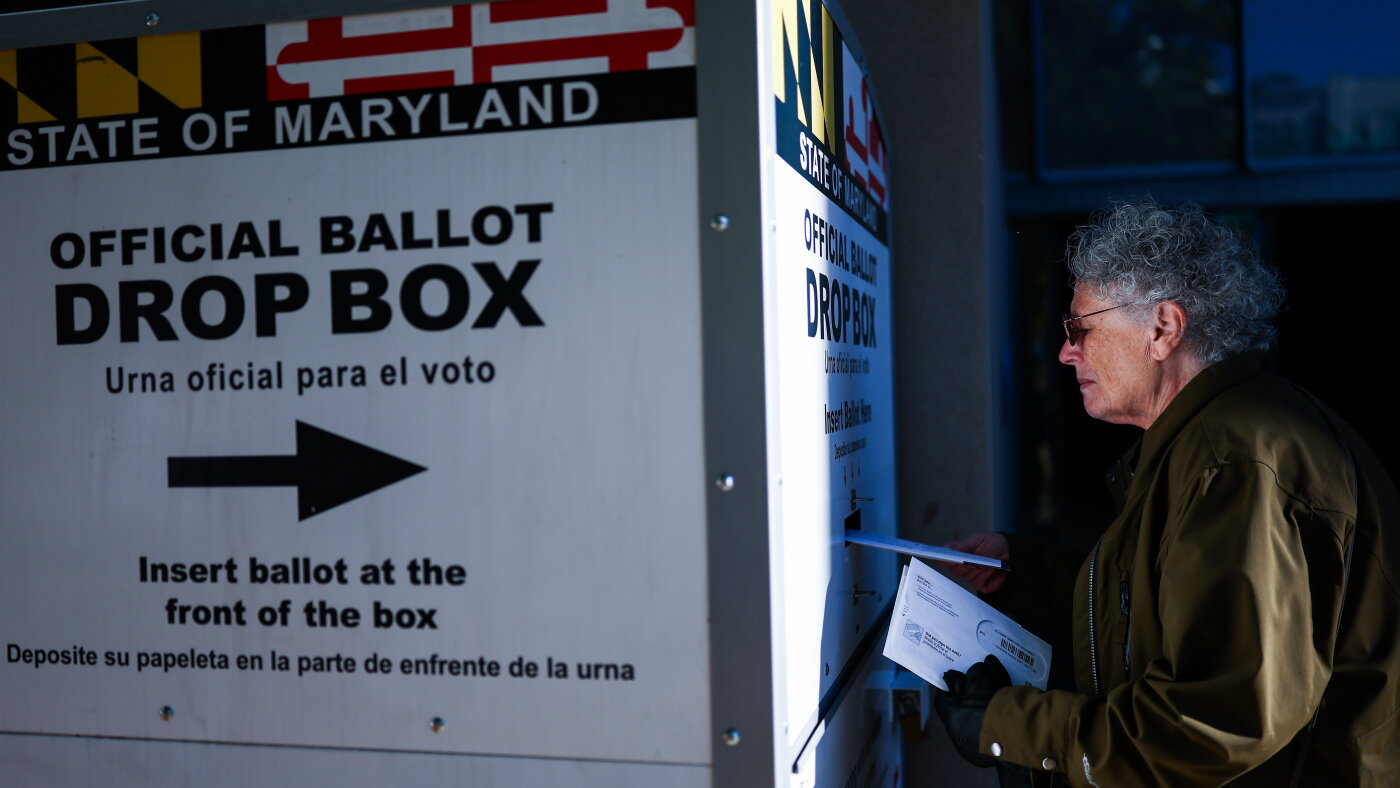
Early Voting Hits 21 Million as Most Trust Midterm Accuracy
Millions have already voted early as parties make final appeals amid $1.4 billion in ad spending; polls show confidence in election accuracy.
The Compass
You just read five takes on one story.
What's your take? Find your political shape in a few minutes.
Take the test