
US Pauses Hormuz Escorts as Iran Talks Near Framework Deal

Cover image from nypost.com, which was analyzed for this article
President Trump announced a pause to Project Freedom ship escorts in the Strait of Hormuz citing progress toward a one-page memo to end the Iran war after 67 days. Iranian officials signal interest in a comprehensive deal as military operations like Epic Fury conclude. The developments have eased tensions, lowered oil prices, and boosted market optimism.
PoliticalOS
Wednesday, May 6, 2026 — Politics
After two months of conflict that began with U.S. strikes in late February, a fragile April ceasefire, and limited clashes over the Strait of Hormuz, Washington and Tehran have signaled the closest alignment yet on a framework document to end active hostilities and begin detailed talks on nuclear limits, sanctions and shipping access. The U.S. pause of its escort operation buys time for mediators but leaves the blockade in place and key terms such as enrichment moratorium length still under negotiation. Iranian leadership divisions and past failed rounds mean any deal remains uncertain, yet markets have already priced in meaningful de-escalation.
What outlets missed
Most outlets underplayed or omitted the April 8 ceasefire that formally paused major combat weeks before Project Freedom launched, framing the current developments as a sudden pivot rather than implementation of an existing truce. Few provided consistent, attributed figures on total casualties or equipment losses on both sides, leaving readers without a full ledger of what the 67 days actually cost in lives and materiel. The precise timeline of Iran's initial strait closure on March 4 as retaliation, followed by the U.S. port blockade starting April 13, was rarely integrated, obscuring the sequence of mutual escalations. Details on the humanitarian conditions aboard stranded vessels, including specific shortages of food and medical supplies ahead of summer heat, appeared sporadically and without cross-verification. Finally, the role of Israeli strikes and objectives in the opening phase of Epic Fury received minimal treatment despite shaping Iran's negotiating posture.
US Declares Iran Strikes Over as Fragile Diplomatic Opening Emerges
Secretary of State Marco Rubio announced Tuesday that Operation Epic Fury the two-month US-Israeli military campaign against Iran had concluded with its core objectives met. Speaking at a White House briefing Rubio said the operation had successfully degraded Iran’s missile-launching capabilities severely damaged its defense industrial base and eliminated the protective shield behind which Tehran had pursued its nuclear program. President Donald Trump followed by placing the newly announced Project Freedom a mission to escort stranded commercial vessels through the Strait of Hormuz on pause describing the step as a bid to allow ongoing talks to advance.
The developments mark a sudden pivot after 67 days of conflict that began on February 28 when the United States and Israel launched an intense air and missile campaign aimed at crippling Iran’s military capacity and undermining its clerical regime. Trump had entered the operation with evident confidence comparing it to the relatively swift US action in Venezuela earlier this year. Yet the war quickly settled into a costly stalemate that closed the Strait of Hormuz triggered global energy price spikes and left roughly 23,000 civilian mariners from 87 countries stranded in the Persian Gulf.
Administration officials now describe the military phase as complete. Rubio emphasized that Washington prefers “the path of peace” and a negotiated deal rather than further escalation. Behind the scenes US special envoys Steve Witkoff and Jared Kushner have been negotiating with Iranian counterparts both directly and through Pakistani mediators. Multiple sources familiar with the talks told reporters that the two sides are closing in on a one-page memorandum of understanding that would formally end hostilities and establish a 30-day window for deeper negotiations over Iran’s nuclear program.
The prospective memo according to officials briefed on the discussions would require Iran to accept a moratorium on uranium enrichment. In exchange the United States would lift certain sanctions and release billions of dollars in frozen Iranian assets. Both sides would also agree to restore open transit through the Strait of Hormuz a critical chokepoint for roughly one-fifth of global oil supplies. The document leaves many details contingent on a final agreement raising the possibility that the current lull could become an extended standoff rather than a true resolution.
The sudden de-escalation follows a chaotic 48 hours. Trump unveiled Project Freedom on Sunday framing it as a humanitarian effort to rescue trapped ships and reopen a waterway Iran had effectively blockaded with mines and attacks. Iran viewed the move as a direct provocation and exchanges of fire resumed threatening the fragile ceasefire that had held since late April. By Tuesday evening Trump posted on social media that the escort operation would be suspended “for a short period of time” to test whether productive talks could bear fruit. Defense Secretary Pete Hegseth separately insisted the existing ceasefire remained intact despite Iranian missile launches.
The diplomatic track has been bumpy. An initial round of direct talks hosted by Pakistan in Islamabad last month produced no breakthrough though both sides have since submitted revised proposals. Pakistani sources described the current momentum as significant telling Reuters “We will close this very soon. We are getting close.” Yet American officials remain divided in their assessments. Some express genuine optimism that Iranian leadership despite its internal fractures may be ready to trade nuclear restraint for sanctions relief. Others are skeptical that Tehran can forge the necessary consensus across hard-line and pragmatic factions.
The war’s economic toll has been immediate and broad. Global oil prices surged after the initial strikes pushing jet fuel costs higher and forcing airlines to cancel millions of seats. Fertilizer and commodity shipments have been disrupted compounding inflationary pressures already felt in Europe and Asia. In Washington concerns about becoming entangled in another protracted Middle Eastern conflict reportedly prompted internal pushback from Vice President JD Vance and Joint Chiefs Chairman Gen. Dan Caine before the operation began. Those reservations appear at least partially vindicated by the speed with which the administration has shifted from bombardment to negotiation.
Still the underlying strategic questions that precipitated the fighting remain unresolved. Iran’s nuclear program was set back but not eliminated. Its regional proxy network though bloodied retains capacity for asymmetric retaliation. And the clerical regime despite heavy losses has not collapsed. For its part the United States has demonstrated a willingness to use military force in support of Israeli security objectives but has also revealed limits to its appetite for open-ended war.
What comes next hinges on whether the memorandum materializes and whether both sides can translate its broad commitments into verifiable actions. Iranian officials have signaled they will respond to the latest US proposals within 48 hours. Trump has alternated between declarations of success and abrupt tactical retreats suggesting a desire to claim victory while avoiding deeper entanglement. Rubio’s message that the time has come for Iran to make a “sensible choice” reflects the administration’s hope that military pressure has created leverage for a more favorable diplomatic outcome.
Yet history cautions against premature declarations of success in the Persian Gulf. Previous rounds of maximum pressure and subsequent negotiations with Iran have produced temporary halts rather than permanent resolutions. The current moment offers a narrow window to lock in constraints on Iran’s nuclear ambitions and reopen a vital energy corridor. Whether that window widens into a durable agreement or narrows once again into renewed conflict will depend on decisions made in Tehran Washington and the quiet mediation channels running through Islamabad. For now the guns have fallen silent but the region remains on edge and the global economy continues to absorb the aftershocks of a war that ended as suddenly as it escalated.
You just read Liberal's take. Want to read what actually happened?
More in Politics
Trump at 32% Approval as Gas Prices Test GOP Midterm Hopes
NYT/Siena polling showed Trump's approval at historic lows around 32 percent with Democrats leading by double digits in key districts. Early voting has surged in battleground states.

Record Early Voting Hits Battlegrounds, Shifting Partisan Shares
AP analysis found hundreds of thousands more early ballots than in 2022 in states including Texas, Ohio, Kansas, Maine, and North Carolina, shifting partisan dynamics.
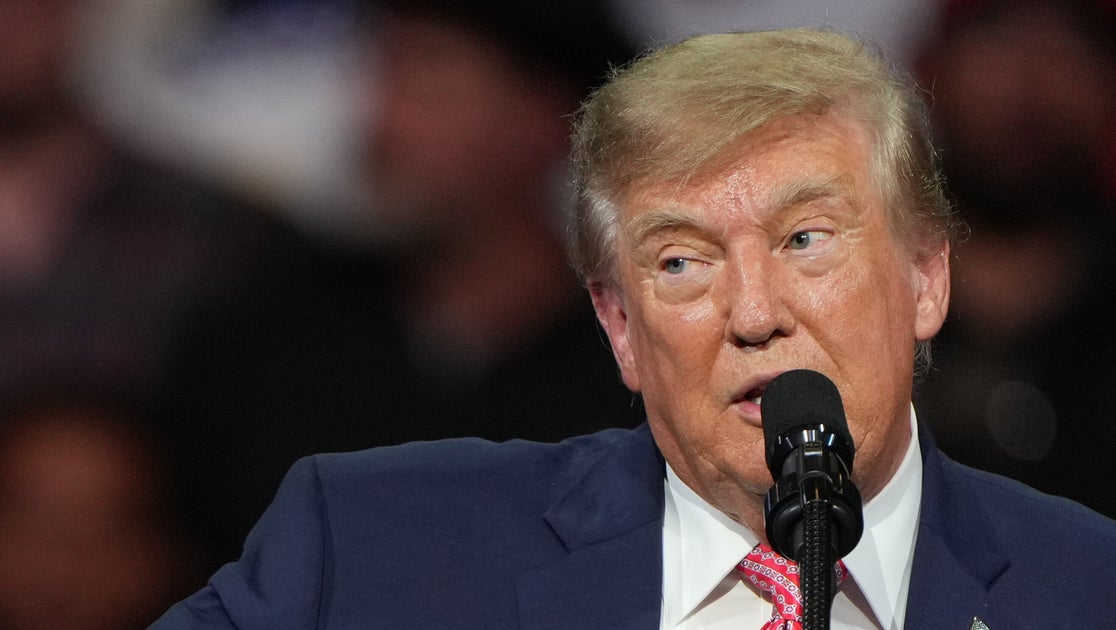
Trump Backs Marshall in Kansas Senate Race Tightened by Farm Costs
President Trump rallied in deep-red Kansas for GOP Sen. Roger Marshall in a competitive race, announcing an $8 billion farm fuel relief program amid high diesel prices. Democrats see an opening to end 94 years of GOP dominance in the state.

Trump Pauses Russia Sanctions Amid Ukraine Tensions and Missile Strikes
Trump waived sanctions on Russia and floated trilateral talks with Putin and Xi as part of ending the Ukraine war, while tensions rose with Zelenskyy over Starlink and arms. Bipartisan senators engaged Zelenskyy amid the shifts.
The Compass
You just read five takes on one story.
What's your take? Find your political shape in a few minutes.
Take the test