
US Treasury to unveil sweeping Iran sanctions as rial hits record low

Cover image from bbc.co.uk, which was analyzed for this article
Treasury Secretary Scott Bessent is set to unveil an unprecedented sanctions package against Iran, described as an 'economic D-Day.' Iranian officials have called the move an act of war as the rial hits record lows.
PoliticalOS
Monday, August 24, 2026 — Politics
The US is preparing the broadest sanctions package yet against Iran while the rial collapses and Tehran warns of retaliation that could affect Gulf oil exports. Enforcement will hinge on whether secondary measures reach China and other trading partners. The outcome remains tied to unresolved questions over the Strait of Hormuz and the six-month conflict.
What outlets missed
Several outlets omitted the documented history of Iran’s nuclear program and ballistic-missile development as stated US policy triggers for sanctions. Most reports did not record that Chinese purchases of Iranian oil already violate prior US sanctions still in force. Coverage rarely included the multi-phase structure of the conflict since February 28, including earlier ceasefires and renewed fighting. Claims of Iranian oil revenue growth cited from Iranian state media were presented without independent shipping or export data for verification.
Iran’s currency reached a record low on informal markets Monday as the US Treasury prepared to announce new sanctions that officials described as the broadest economic measures yet imposed on the country. The rial traded at 2.02 million to the dollar, compared with the official Central Bank rate near 1.5 million. Treasury Secretary Scott Bessent is scheduled to detail the package at a press conference later in the day.
Bessent wrote in the Financial Times that the measures would constitute “the single greatest financial offensive ever marshaled against an adversary” and would sever every economic lifeline sustaining the Iranian government. President Trump had previously warned that any country whose banks, ports or companies continued to transact with Iran would face US penalties. The new steps build on an existing naval blockade of Iranian ports and sanctions already targeting oil, shipping and financial sectors.
Iranian officials responded by labeling the planned actions an infringement on sovereignty and an act of economic warfare. Foreign Ministry spokesman Esmaeil Baghaei said no state could compel foreign entities to cut ties with Iran. Security official Mohsen Rezaei stated that any country joining the sanctions would be treated as an enemy and warned that no oil would leave the Persian Gulf if neighbors participated. Iranian Foreign Minister Abbas Araghchi called the approach a repeat of failed past policies.
The rial’s decline follows nearly six months of conflict that began February 28 and includes a US and Israeli military campaign against Iranian targets. Iran has maintained control over shipping through the Strait of Hormuz, through which roughly one-fifth of global oil trade normally passes. China purchases the large majority of Iran’s exported oil, and analysts note that enforcement against Chinese buyers would determine the measures’ reach.
Gulf states have shown mixed responses. The UAE suspended trade with Iran after ballistic-missile incidents. China’s Foreign Ministry called for diplomatic solutions rather than additional sanctions. Russia maintains commercial and military links with Iran that predate the current escalation. Bessent has said the goal is to isolate Tehran without requiring further military action.
More in Politics

Trump Defends Ramaswamy Ad Using Estranged Mother in Ohio Race
President Trump defended a GOP nominee's ad featuring a Democratic opponent's estranged mother, calling it powerful, while drawing criticism from some Republicans including Ohio Gov. Mike DeWine. The ad has sparked internal GOP tensions ahead of midterms.
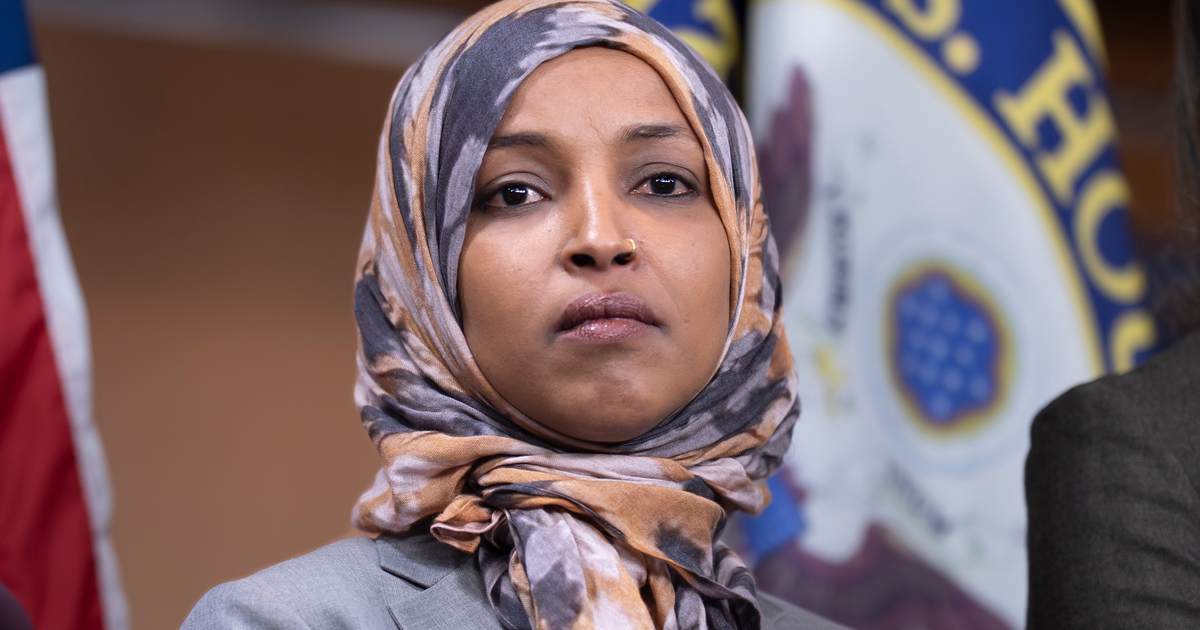
Federal Raid Targets Omar Amid Unresolved Name and Marriage Allegations
Agents searched Rep. Ilhan Omar's DC residence over immigration fraud allegations; she called it bizarre. Reports and commentary questioned her birth name and past marriage details.

Supreme Court Upholds New Hampshire Student ID Voting Ban
The Supreme Court upheld New Hampshire's ban on student IDs as valid voter identification just before midterms, affecting a tight Senate race.
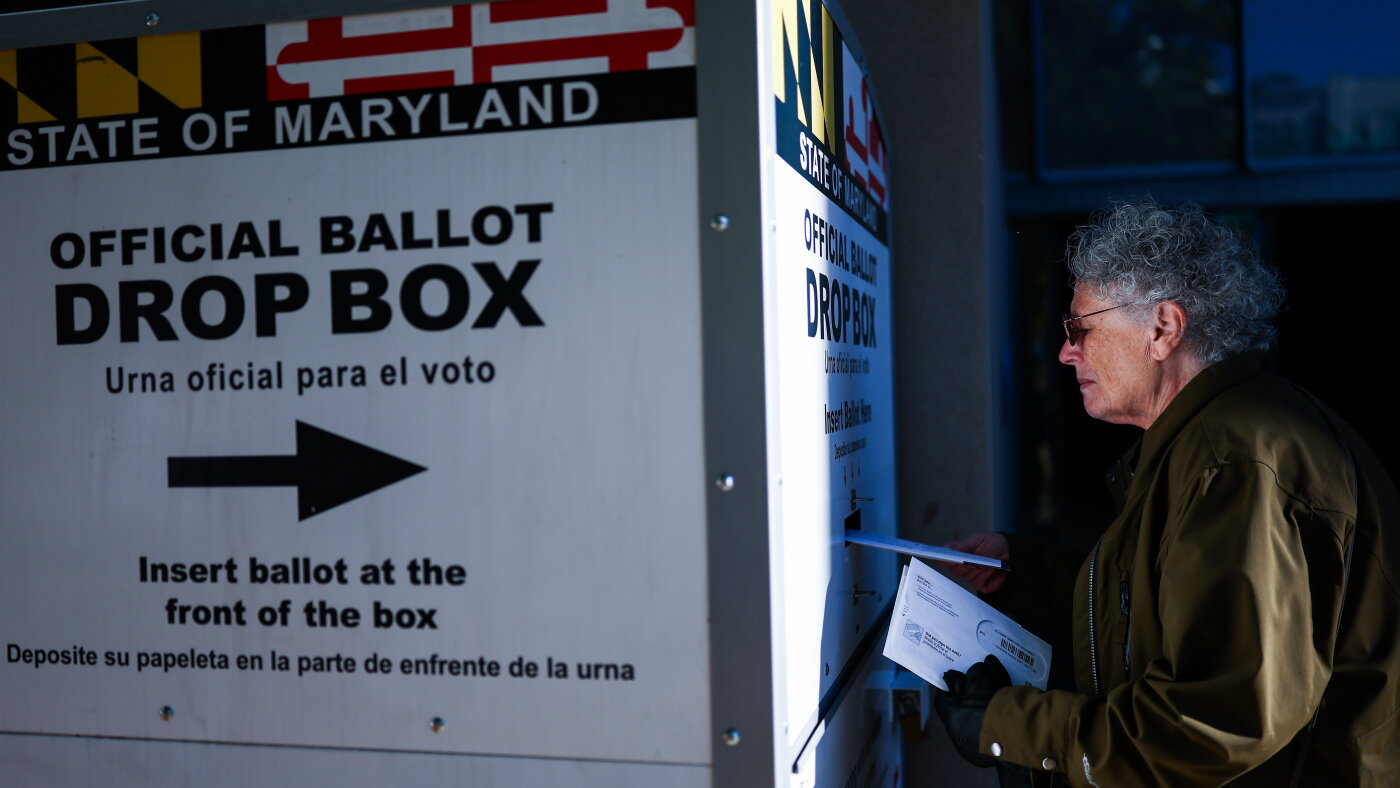
Early Voting Hits 21 Million as Most Trust Midterm Accuracy
Millions have already voted early as parties make final appeals amid $1.4 billion in ad spending; polls show confidence in election accuracy.
The Compass
You just read five takes on one story.
What's your take? Find your political shape in a few minutes.
Take the test