
US-Iran Ceasefire Frays Amid Mutual Strike Accusations
Cover image from bbc.co.uk, which was analyzed for this article
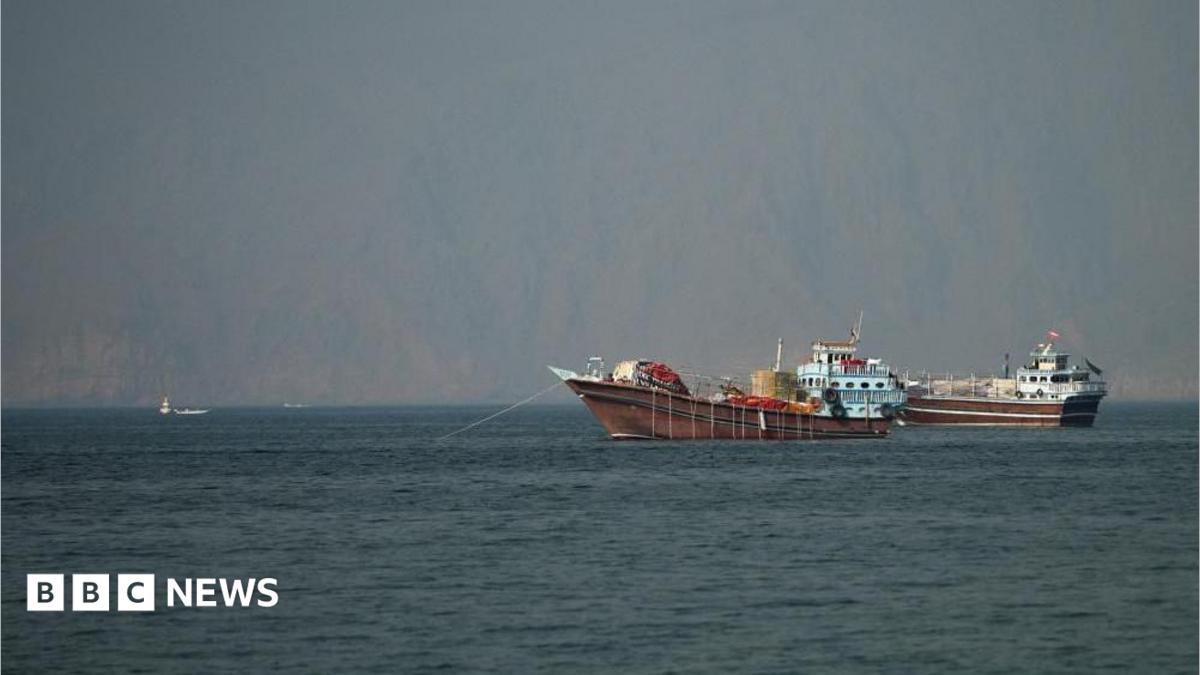
US conducted further airstrikes on Iranian facilities after attacks on shipping; Iran responded with strikes on US-linked sites in Bahrain and Kuwait. Trump threatened additional action as both sides accused each other of violating an interim ceasefire. Coverage spans costs, diplomacy, and military developments.
PoliticalOS
Wednesday, May 27, 2026 — Politics
The June 17 memorandum remains in force on paper yet faces immediate tests from disputed shipping incidents and retaliatory strikes whose physical outcomes could not be fully corroborated across sources. Readers should track whether commercial traffic volumes through the strait continue without new tolls or closures, as that metric will indicate whether the 60-day negotiation window holds.
What outlets missed
Several outlets omitted the specific cargo volume on the MT Kiku and the absence of reported US casualties at the Kuwait and Bahrain sites, details that appear only in Centcom statements and a Reuters-sourced US official comment. The precise sequence tying the Saturday strikes directly to the Kiku incident received uneven placement, with some reports leading instead on Iranian launches. Economic cost estimates from the Pielke analysis and polling on public views of the war’s worth were largely absent outside the Los Angeles Times. Hezbollah’s explicit rejection of the Lebanon framework and Israeli insistence on maintaining a security zone were mentioned only in passing by most outlets despite their direct link to the wider US-Iran memorandum.
Trump Holds Cabinet Meeting as Iran Talks Stall Over Hormuz Blockade
President Donald Trump convened his cabinet at the White House on Wednesday after shifting the session from Camp David because of forecast rain. The meeting was set to review administration economic gains, fraud reduction efforts, and foreign policy developments at a time when the three-month conflict with Iran shows few signs of resolution.
Negotiations aimed at reopening the Strait of Hormuz have reached an impasse. Iran continues to restrict shipping through the waterway that normally carries one-fifth of global oil and liquefied natural gas supplies. Dallas Federal Reserve President Lorie Logan warned that prolonged closure would force sharper cuts in worldwide energy consumption, since inventory draws cannot offset the roughly 13 million barrels per day shortfall indefinitely. U.S. oil producers expect only modest output gains of 250,000 barrels per day this year and 500,000 next year, far below the needed replacement volume.
Strikes have persisted despite the April ceasefire. U.S. Central Command reported new attacks on Iranian missile sites and mine-laying boats on Monday, describing them as defensive measures. Iran responded by claiming it downed a U.S. drone and asserting its right to retaliate against any violations. South Korean investigators concluded that anti-ship missiles of Iranian origin struck a South Korean bulk carrier in the strait earlier this month, damaging the vessel and prompting rerouting of other tankers.
Trump has described a potential agreement as close while noting that talks continue. Iran, however, has refused to relinquish control of the strait without additional concessions, including the release of $12 billion in frozen assets. Former military commanders have stated that Iranian mining activity and continued restrictions indicate the regime is not negotiating in good faith and is instead attempting to extract leverage.
The economic effects extend beyond energy markets. Higher fuel, food, and fertilizer prices have followed the supply constraints. Logan noted that end users may need to shift to alternative sources or reduce activity if normal flows do not resume soon. These pressures arrive as broader surveys show rising economic pessimism.
Iranian domestic politics reveal deepening divisions over how to manage the standoff. Regime-linked media have reported open clashes inside parliament and security institutions between factions favoring limited concessions and those opposing any compromise that could weaken regional proxies or internal control. Worker and pensioner protests have continued amid inflation and currency weakness.
The cabinet session occurs against this backdrop of constrained supply routes and repeated ceasefire breaches. Administration officials have emphasized tracking both domestic economic indicators and the foreign policy developments tied to the Hormuz situation.
You just read Conservative's take. Want to read what actually happened?
More in Politics

Trump Defends Ramaswamy Ad Using Estranged Mother in Ohio Race
President Trump defended a GOP nominee's ad featuring a Democratic opponent's estranged mother, calling it powerful, while drawing criticism from some Republicans including Ohio Gov. Mike DeWine. The ad has sparked internal GOP tensions ahead of midterms.

Federal Raid Targets Omar Amid Unresolved Name and Marriage Allegations
Agents searched Rep. Ilhan Omar's DC residence over immigration fraud allegations; she called it bizarre. Reports and commentary questioned her birth name and past marriage details.

Supreme Court Upholds New Hampshire Student ID Voting Ban
The Supreme Court upheld New Hampshire's ban on student IDs as valid voter identification just before midterms, affecting a tight Senate race.
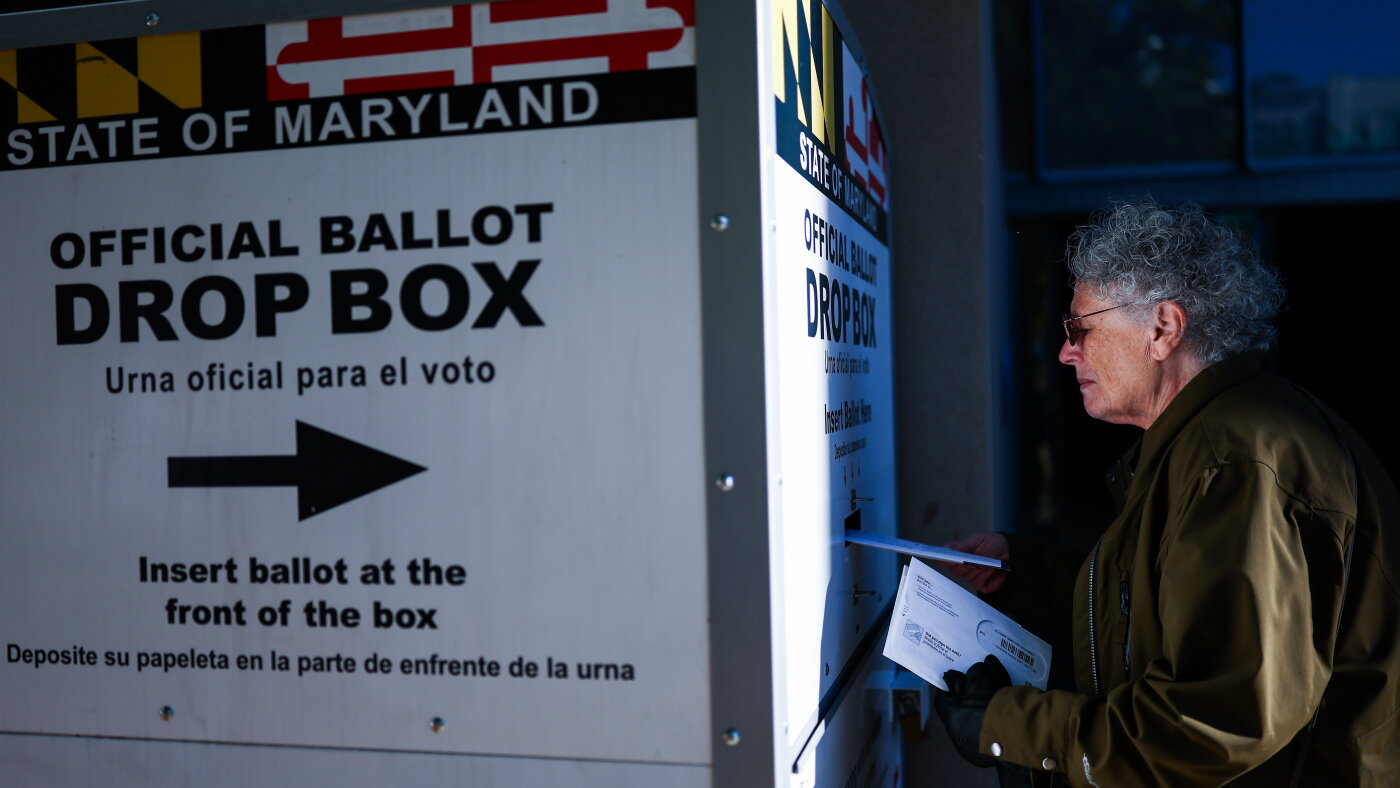
Early Voting Hits 21 Million as Most Trust Midterm Accuracy
Millions have already voted early as parties make final appeals amid $1.4 billion in ad spending; polls show confidence in election accuracy.
The Compass
You just read five takes on one story.
What's your take? Find your political shape in a few minutes.
Take the test