
US-Iran Ceasefire Frays Amid Mutual Strike Accusations
Cover image from bbc.co.uk, which was analyzed for this article
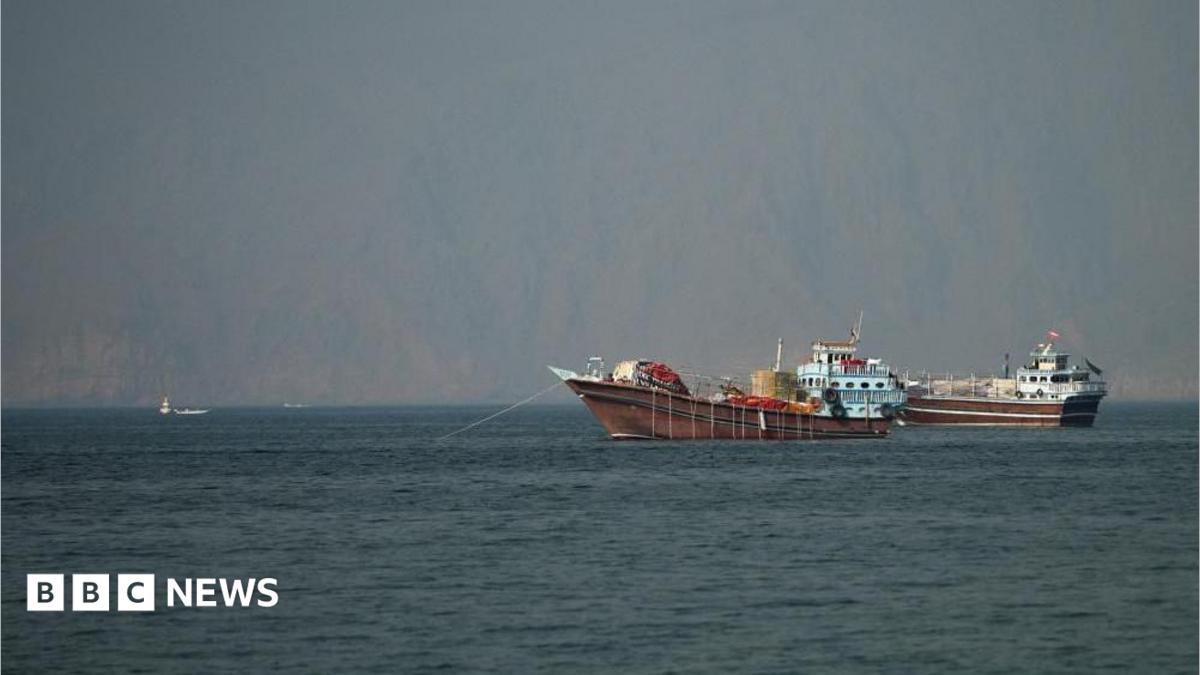
US conducted further airstrikes on Iranian facilities after attacks on shipping; Iran responded with strikes on US-linked sites in Bahrain and Kuwait. Trump threatened additional action as both sides accused each other of violating an interim ceasefire. Coverage spans costs, diplomacy, and military developments.
PoliticalOS
Wednesday, May 27, 2026 — Politics
The June 17 memorandum remains in force on paper yet faces immediate tests from disputed shipping incidents and retaliatory strikes whose physical outcomes could not be fully corroborated across sources. Readers should track whether commercial traffic volumes through the strait continue without new tolls or closures, as that metric will indicate whether the 60-day negotiation window holds.
What outlets missed
Several outlets omitted the specific cargo volume on the MT Kiku and the absence of reported US casualties at the Kuwait and Bahrain sites, details that appear only in Centcom statements and a Reuters-sourced US official comment. The precise sequence tying the Saturday strikes directly to the Kiku incident received uneven placement, with some reports leading instead on Iranian launches. Economic cost estimates from the Pielke analysis and polling on public views of the war’s worth were largely absent outside the Los Angeles Times. Hezbollah’s explicit rejection of the Lebanon framework and Israeli insistence on maintaining a security zone were mentioned only in passing by most outlets despite their direct link to the wider US-Iran memorandum.
Trump Shifts Cabinet Meeting to White House as Iran Conflict Drags On
Donald Trump moved his cabinet meeting from Camp David back to the White House on Wednesday after forecasts called for heavy rain in the Maryland area. The switch came as the president and his team reviewed updates on the economy, fraud reduction efforts, and the three-month conflict with Iran that shows little sign of wrapping up cleanly.
The session was meant to cover recent administration wins on small business and foreign policy, according to a White House spokesperson. Trump had originally planned the gathering at the presidential retreat, a location used for past Middle East talks, but the weather forced the change. He announced the adjustment on Truth Social, keeping the focus on domestic priorities even as negotiators in Doha work through proposals to end hostilities.
The fighting has kept the Strait of Hormuz largely closed since April, cutting off roughly one-fifth of global oil and liquefied natural gas shipments. Dallas Federal Reserve President Lorie Logan warned that prolonged restrictions could force sharper cuts in worldwide energy use, with ripple effects on food and fertilizer prices already visible. U.S. oil producers expect only modest output gains this year and next, far short of replacing the 13 million barrels per day lost since the conflict began. Inventories are being drawn down in the meantime, and markets have yet to adjust fully.
Both sides have traded strikes despite the April ceasefire. U.S. Central Command reported attacks on Iranian missile sites and boats near the strait on Monday, describing them as defensive measures. Iran responded by claiming it shot down a U.S. drone and tracked other aircraft entering its airspace. South Korean investigators concluded that missiles linked to Iran struck a container ship in the strait earlier this month, though they stopped short of naming the exact perpetrator.
Iran continues to control shipping through the vital waterway and has demanded the release of frozen assets before signing any memorandum of understanding. Negotiations remain at an impasse, with Tehran showing no willingness to reopen the strait fully or address its nuclear stockpile in the near term. Internal divisions inside the Iranian regime have surfaced in recent parliamentary maneuvering, pitting factions open to limited concessions against those who see compromise as a threat to their hold on power.
Trump has described the talks as proceeding, yet the pattern of violations and economic pressure suggests leverage on both sides is still being tested. The cabinet meeting at the White House will give administration officials another chance to weigh next steps without the added complications of travel or weather delays.
You just read America First's take. Want to read what actually happened?
More in Politics

Trump Defends Ramaswamy Ad Using Estranged Mother in Ohio Race
President Trump defended a GOP nominee's ad featuring a Democratic opponent's estranged mother, calling it powerful, while drawing criticism from some Republicans including Ohio Gov. Mike DeWine. The ad has sparked internal GOP tensions ahead of midterms.
Federal Raid Targets Omar Amid Unresolved Name and Marriage Allegations
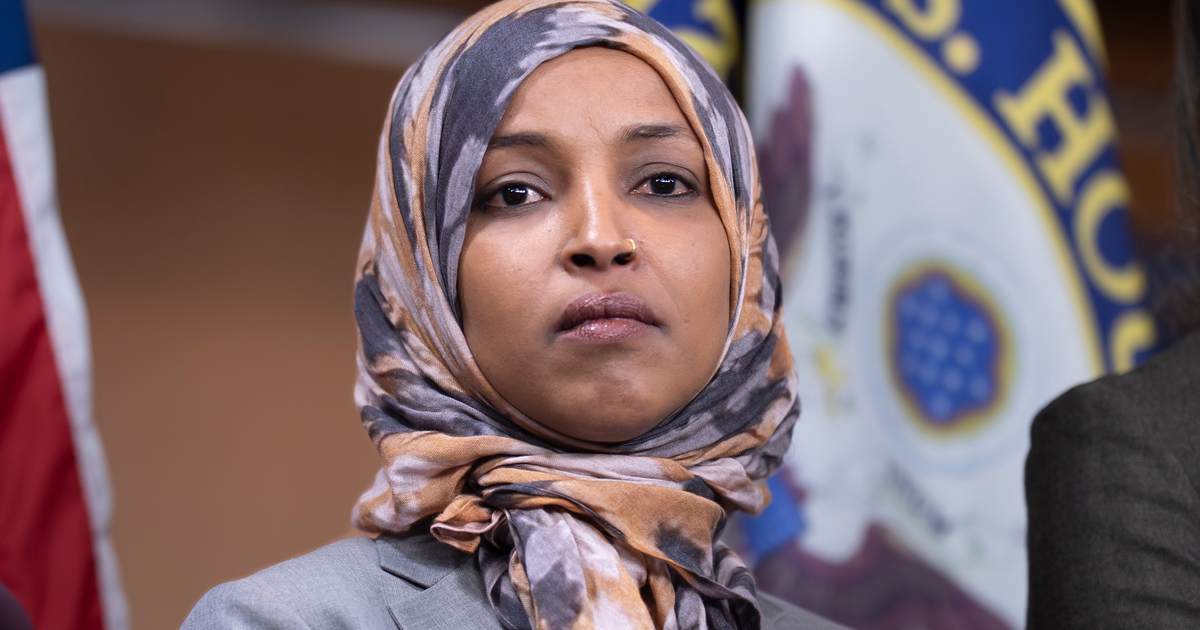
Agents searched Rep. Ilhan Omar's DC residence over immigration fraud allegations; she called it bizarre. Reports and commentary questioned her birth name and past marriage details.

Supreme Court Upholds New Hampshire Student ID Voting Ban
The Supreme Court upheld New Hampshire's ban on student IDs as valid voter identification just before midterms, affecting a tight Senate race.
Early Voting Hits 21 Million as Most Trust Midterm Accuracy
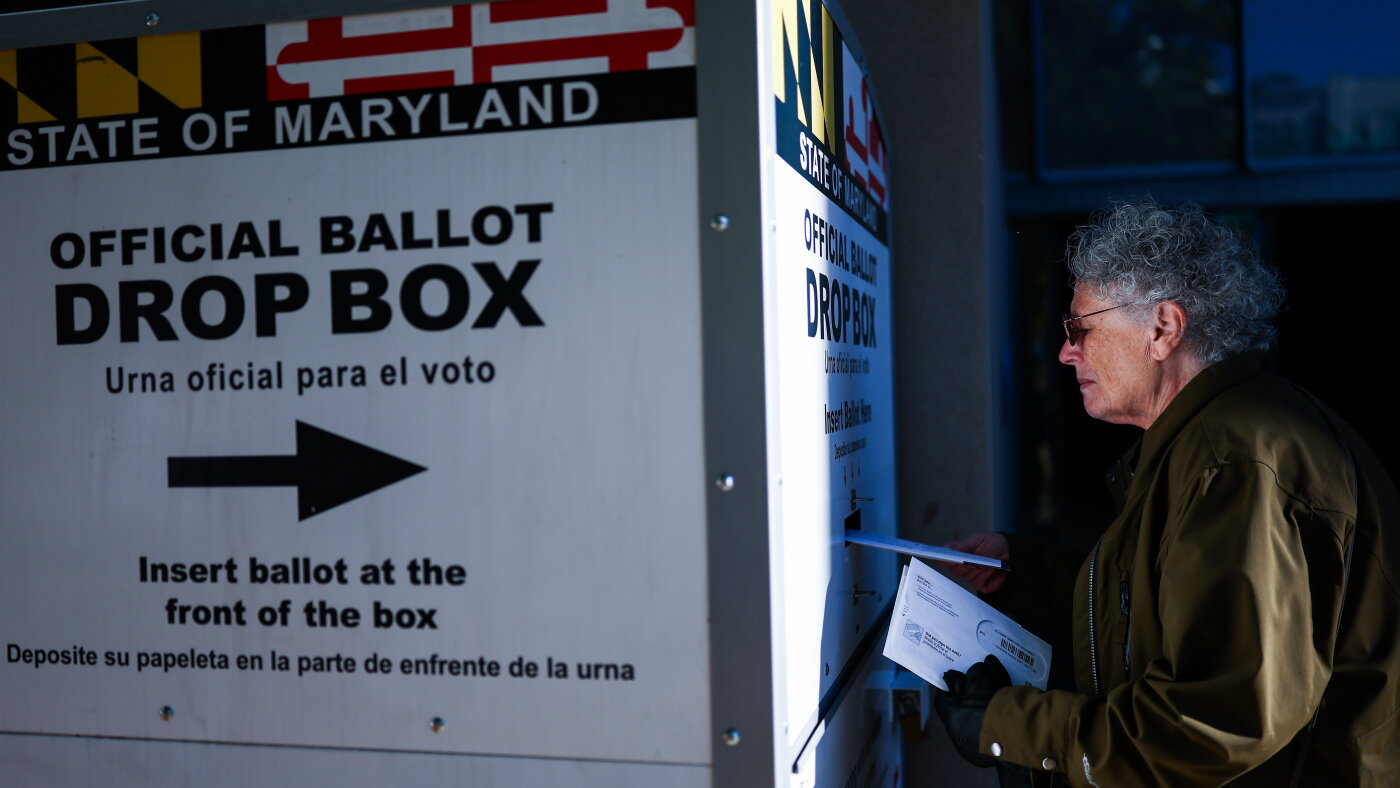
Millions have already voted early as parties make final appeals amid $1.4 billion in ad spending; polls show confidence in election accuracy.
The Compass
You just read five takes on one story.
What's your take? Find your political shape in a few minutes.
Take the test