
US-Iran Ceasefire Frays Amid Mutual Strike Accusations
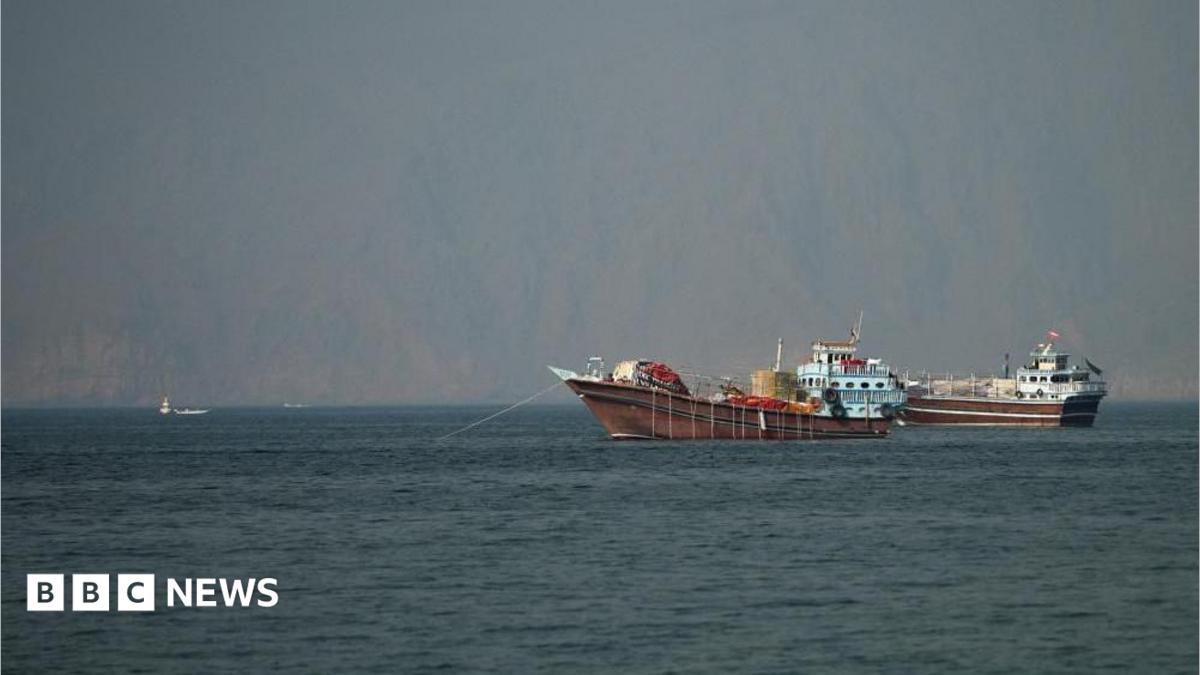
Cover image from bbc.co.uk, which was analyzed for this article
US conducted further airstrikes on Iranian facilities after attacks on shipping; Iran responded with strikes on US-linked sites in Bahrain and Kuwait. Trump threatened additional action as both sides accused each other of violating an interim ceasefire. Coverage spans costs, diplomacy, and military developments.
PoliticalOS
Wednesday, May 27, 2026 — Politics
The June 17 memorandum remains in force on paper yet faces immediate tests from disputed shipping incidents and retaliatory strikes whose physical outcomes could not be fully corroborated across sources. Readers should track whether commercial traffic volumes through the strait continue without new tolls or closures, as that metric will indicate whether the 60-day negotiation window holds.
What outlets missed
Several outlets omitted the specific cargo volume on the MT Kiku and the absence of reported US casualties at the Kuwait and Bahrain sites, details that appear only in Centcom statements and a Reuters-sourced US official comment. The precise sequence tying the Saturday strikes directly to the Kiku incident received uneven placement, with some reports leading instead on Iranian launches. Economic cost estimates from the Pielke analysis and polling on public views of the war’s worth were largely absent outside the Los Angeles Times. Hezbollah’s explicit rejection of the Lebanon framework and Israeli insistence on maintaining a security zone were mentioned only in passing by most outlets despite their direct link to the wider US-Iran memorandum.
Trump Shifts Cabinet Gathering to White House as Iran Negotiations Drag On
Donald Trump convened his cabinet at the White House on Wednesday after canceling plans for a retreat at Camp David, citing forecasts of heavy rain. The decision came as talks aimed at ending three months of conflict with Iran showed mixed signals of progress, with both sides continuing limited strikes even as mediators pushed for a durable agreement in Doha.
The meeting, the 12th of Trump’s second term, was set to review administration achievements on the economy and fraud reduction alongside foreign policy updates. Originally slated for the Maryland retreat often used for sensitive diplomacy, the session instead took place in familiar West Wing surroundings. Trump has visited Camp David far less often than prior presidents, and the shift avoided potential weather disruptions without altering the agenda’s focus on Iran developments.
Negotiations have centered on reopening the Strait of Hormuz and establishing a framework for addressing Iran’s nuclear program. Trump has described a deal as imminent, yet recent actions suggest leverage remains contested. On Monday, U.S. Central Command conducted strikes on Iranian missile sites and vessels suspected of mine-laying, framing them as defensive measures. Iran responded by claiming it shot down a U.S. drone and asserting its right to counter further violations. These exchanges follow an April ceasefire that has not halted periodic flare-ups, underscoring persistent mistrust.
The economic stakes add urgency. Dallas Federal Reserve President Lorie Logan warned that prolonged closure of the strait, through which roughly one-fifth of global oil and liquefied natural gas once flowed, could force sharper cuts in energy consumption worldwide. Inventories have offset some of the roughly 13 million barrels per day shortfall so far, but sustained constraints would test substitution options and risk broader slowdowns. U.S. oil producers surveyed by the Dallas Fed project only modest output gains, leaving little buffer if shipping does not resume near prewar levels.
Separate incidents highlight the waterway’s volatility. South Korean authorities determined that anti-ship missiles linked to Iran struck a container vessel in early May, though they stopped short of assigning responsibility to a specific actor. The episode fits a pattern of restrictions on commercial traffic that has driven up prices for energy, food, and fertilizer.
Inside Iran, the diplomatic maneuvering coincides with visible strains. Regime-controlled outlets have described internal debates over whether tactical concessions to Washington could avert renewed domestic unrest or whether any compromise would erode the system’s core. Parliamentary maneuvering and security apparatus tensions reflect competing views on preserving influence without triggering wider collapse.
Trump’s public posture has alternated between optimism about an agreement and frustration with stalled momentum. Former military officials have noted that continued Iranian efforts to restrict the strait suggest hedging rather than genuine commitment to reopening. Meanwhile, administration approval ratings have softened amid public concern over rising costs tied to the conflict.
The immediate path forward hinges on whether mediators can convert the current memorandum-of-understanding talks into concrete steps on asset releases, nuclear limits, and navigation guarantees. Each side’s willingness to absorb short-term costs for longer-term positioning will determine if the fragile pause holds or gives way to renewed escalation.
You just read Liberal's take. Want to read what actually happened?
More in Politics
Trump at 32% Approval as Gas Prices Test GOP Midterm Hopes
NYT/Siena polling showed Trump's approval at historic lows around 32 percent with Democrats leading by double digits in key districts. Early voting has surged in battleground states.

Record Early Voting Hits Battlegrounds, Shifting Partisan Shares
AP analysis found hundreds of thousands more early ballots than in 2022 in states including Texas, Ohio, Kansas, Maine, and North Carolina, shifting partisan dynamics.
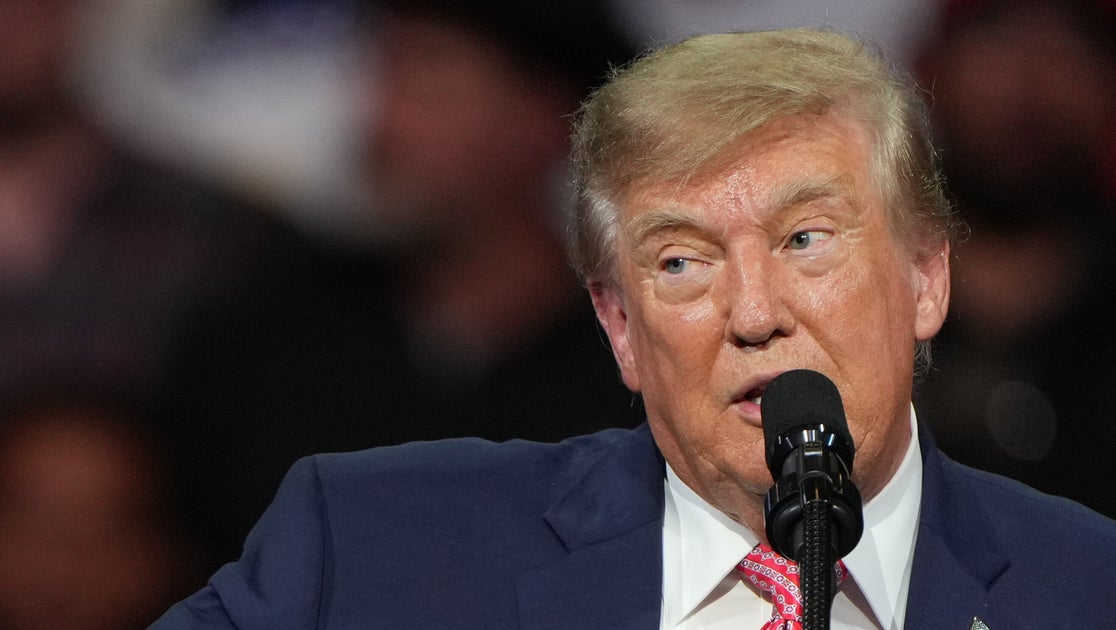
Trump Backs Marshall in Kansas Senate Race Tightened by Farm Costs
President Trump rallied in deep-red Kansas for GOP Sen. Roger Marshall in a competitive race, announcing an $8 billion farm fuel relief program amid high diesel prices. Democrats see an opening to end 94 years of GOP dominance in the state.

Trump Pauses Russia Sanctions Amid Ukraine Tensions and Missile Strikes
Trump waived sanctions on Russia and floated trilateral talks with Putin and Xi as part of ending the Ukraine war, while tensions rose with Zelenskyy over Starlink and arms. Bipartisan senators engaged Zelenskyy amid the shifts.
The Compass
You just read five takes on one story.
What's your take? Find your political shape in a few minutes.
Take the test