
US-Iran Ceasefire Frays Amid Mutual Strike Accusations
Cover image from bbc.co.uk, which was analyzed for this article
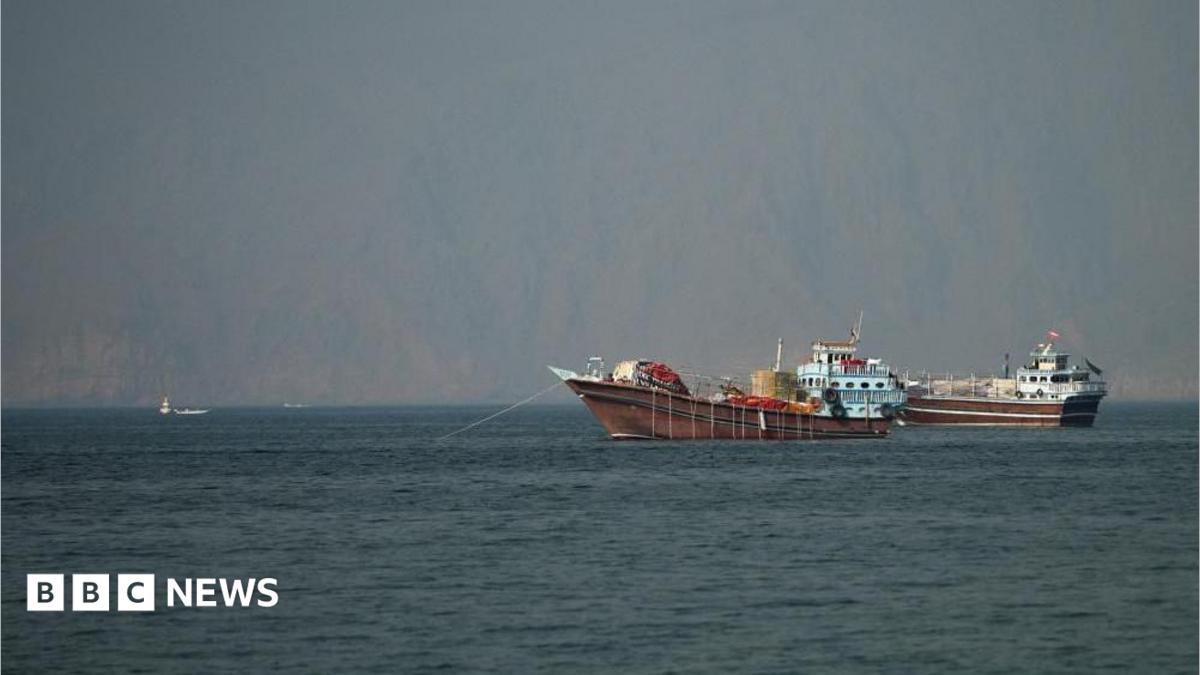
US conducted further airstrikes on Iranian facilities after attacks on shipping; Iran responded with strikes on US-linked sites in Bahrain and Kuwait. Trump threatened additional action as both sides accused each other of violating an interim ceasefire. Coverage spans costs, diplomacy, and military developments.
PoliticalOS
Wednesday, May 27, 2026 — Politics
The June 17 memorandum remains in force on paper yet faces immediate tests from disputed shipping incidents and retaliatory strikes whose physical outcomes could not be fully corroborated across sources. Readers should track whether commercial traffic volumes through the strait continue without new tolls or closures, as that metric will indicate whether the 60-day negotiation window holds.
What outlets missed
Several outlets omitted the specific cargo volume on the MT Kiku and the absence of reported US casualties at the Kuwait and Bahrain sites, details that appear only in Centcom statements and a Reuters-sourced US official comment. The precise sequence tying the Saturday strikes directly to the Kiku incident received uneven placement, with some reports leading instead on Iranian launches. Economic cost estimates from the Pielke analysis and polling on public views of the war’s worth were largely absent outside the Los Angeles Times. Hezbollah’s explicit rejection of the Lebanon framework and Israeli insistence on maintaining a security zone were mentioned only in passing by most outlets despite their direct link to the wider US-Iran memorandum.
Trump Moves Cabinet Meeting to White House as Iran Conflict Drags On With Fresh Strikes
Donald Trump will convene his cabinet at the White House on Wednesday instead of the planned session at Camp David after forecasts of heavy rain forced a last-minute change. The switch comes as the three-month conflict with Iran shows no clear end, with talks in Doha producing mixed signals and fresh exchanges of fire undermining an April ceasefire.
Trump announced the venue adjustment on Truth Social, blaming the weather for scrapping the trip to the Maryland retreat. The meeting is expected to cover administration claims of economic and small-business gains alongside foreign-policy updates. White House officials had initially floated Camp David as the site, a location used sparingly by Trump compared with earlier presidents and one tied to past Middle East diplomacy.
The gathering occurs against a backdrop of sinking approval ratings for the president and growing public concern over rising energy and food costs tied to the Iran war. A Dallas Federal Reserve official warned this week that prolonged closure of the Strait of Hormuz could force sharp cuts in global oil and natural-gas consumption. Roughly one-fifth of world supplies normally move through the waterway, which Iran has restricted since the conflict began.
US Central Command said Monday it struck Iranian missile sites and boats in southern Iran in what it described as self-defense. Iran’s Islamic Revolutionary Guard Corps responded by claiming it downed a US drone and fired on another aircraft that entered its airspace. Both sides have traded blows repeatedly since the temporary truce took effect in April, even as negotiators seek a longer-term deal.
South Korea’s foreign ministry reported Wednesday that anti-ship missiles of Iranian origin likely hit a South Korean bulk carrier in the strait earlier this month. Investigators recovered debris consistent with Noor-series weapons used by Iranian forces and allied groups, though Seoul stopped short of assigning responsibility for the launch.
Trump has repeatedly suggested an agreement is near, yet Iran continues to hold the strait and has demanded the release of up to $12 billion in frozen assets before signing any memorandum. US officials have also faced Iranian insistence on limits to future sanctions. Analysts at the Institute for the Study of War described the talks as reaching a major impasse.
The economic strain is already visible. Oil executives surveyed by the Dallas Fed project only modest increases in US output this year and next, far below the roughly 13 million barrels per day shortfall created by the conflict. Inventories are being drawn down to fill the gap, a tactic that cannot continue indefinitely.
Inside Iran, the standoff has exposed deepening divisions between factions favoring tactical concessions to ease pressure and hard-liners who view any compromise as surrender. State-linked media have acknowledged the internal friction even as workers and pensioners stage protests over inflation and currency collapse.
The White House meeting is set to review these developments alongside domestic priorities. With negotiations still fluid and military incidents continuing, the session offers little prospect of resolving the core disputes that have kept the strait closed and global energy markets under strain.
You just read Progressive's take. Want to read what actually happened?
More in Politics
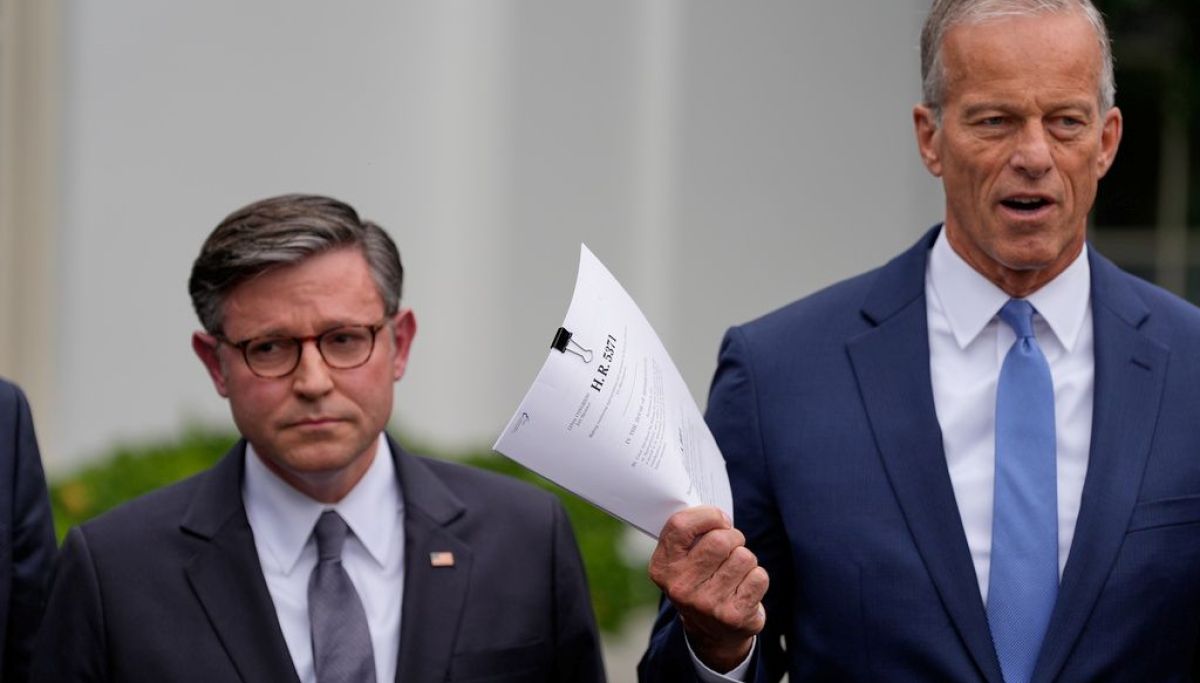
Trump at 32% Approval as Gas Prices Test GOP Midterm Hopes
NYT/Siena polling showed Trump's approval at historic lows around 32 percent with Democrats leading by double digits in key districts. Early voting has surged in battleground states.

Record Early Voting Hits Battlegrounds, Shifting Partisan Shares
AP analysis found hundreds of thousands more early ballots than in 2022 in states including Texas, Ohio, Kansas, Maine, and North Carolina, shifting partisan dynamics.
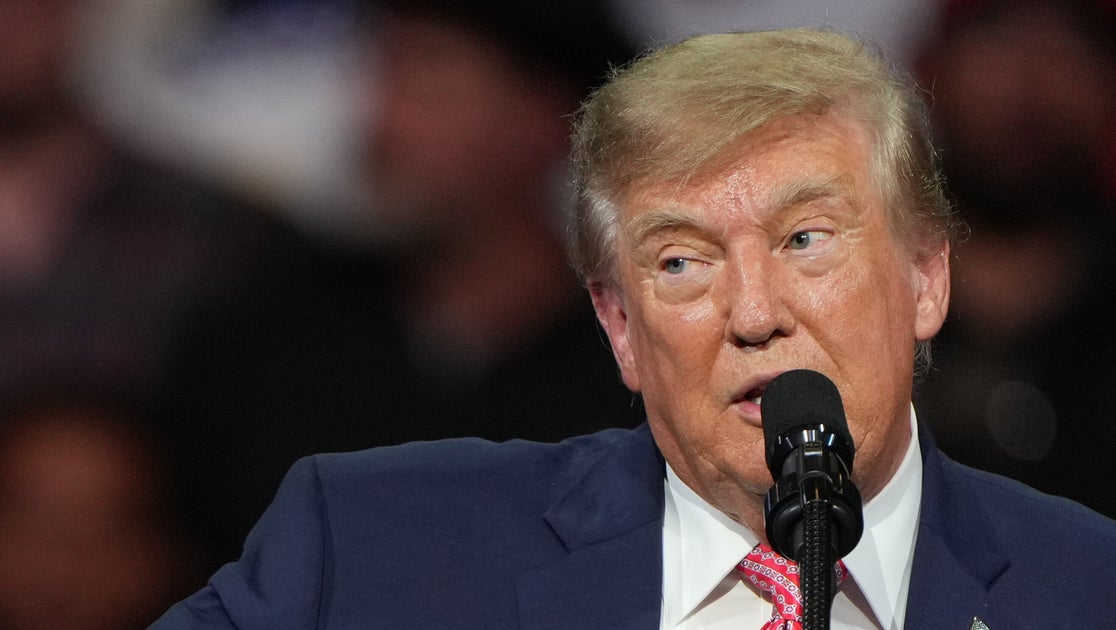
Trump Backs Marshall in Kansas Senate Race Tightened by Farm Costs
President Trump rallied in deep-red Kansas for GOP Sen. Roger Marshall in a competitive race, announcing an $8 billion farm fuel relief program amid high diesel prices. Democrats see an opening to end 94 years of GOP dominance in the state.

Trump Pauses Russia Sanctions Amid Ukraine Tensions and Missile Strikes
Trump waived sanctions on Russia and floated trilateral talks with Putin and Xi as part of ending the Ukraine war, while tensions rose with Zelenskyy over Starlink and arms. Bipartisan senators engaged Zelenskyy amid the shifts.
The Compass
You just read five takes on one story.
What's your take? Find your political shape in a few minutes.
Take the test