
US Hits Iranian Missile Sites, Boats Near Hormuz Amid Qatar Talks

Cover image from aljazeera.com, which was analyzed for this article
American forces hit Iranian missile sites and boats in self-defense operations while diplomatic efforts for a deal continue in Qatar. Markets and oil prices reacted to the developments and mixed signals on negotiations.
PoliticalOS
Tuesday, May 26, 2026 — Politics
The core unresolved question is whether limited strikes will accelerate a durable Hormuz reopening and uranium stockpile agreement or instead extend the fragile April ceasefire into renewed exchanges. Readers should track verified shipping volumes and any IAEA updates on uranium disposition rather than immediate deal announcements.
What outlets missed
Most coverage omitted Trump's explicit demand that Iran's enriched uranium stockpile be transferred to the United States or destroyed under supervision. Few outlets detailed the reported 60-day ceasefire extension framework under discussion or the specific role of Iran's Central Bank governor in Doha talks over frozen funds. The connection between Hormuz reopening timelines and potential sanctions relief also received little attention across reports.
US Military Strikes Iranian Targets Near Strait of Hormuz to Safeguard Shipping Lanes
The United States Central Command conducted limited strikes on Iranian missile launch sites and vessels attempting to place mines in waters near the Strait of Hormuz on Monday. Officials described the action as defensive measures to counter threats to American forces amid a fragile ceasefire that began in April.
CENTCOM spokesman Navy Captain Tim Hawkins stated that the targets included missile facilities and boats engaged in mine emplacement. The command emphasized restraint during the truce period while protecting troops from Iranian activities. Iranian state media reported explosions in the vicinity of Bandar Abbas, a key port roughly 70 kilometers from the strait, though details on damage remained limited.
The strikes occurred as Iranian negotiators met with Qatari officials in Doha to discuss terms for ending the conflict. US Secretary of State Marco Rubio, traveling in India, indicated that progress on reopening the strait and addressing nuclear issues could require several days of further talks. He stressed that the waterway must remain accessible for global commerce, describing any interference as unsustainable.
President Trump noted that discussions were advancing but warned that failure to reach an agreement would lead to renewed and intensified military pressure. Iranian officials asserted the right to respond to perceived violations and claimed to have intercepted a hostile drone, without confirming its origin or timing.
The Strait of Hormuz carries a substantial share of the world's oil shipments. Disruptions there have already contributed to elevated energy prices worldwide since fighting began earlier this year. Past incidents, including the seizure of an Iranian cargo vessel by US forces in April and subsequent exchanges of fire, illustrate the pattern of violations that preceded the latest action.
Negotiations have focused on verifiable limits to Iranian enrichment activities and guarantees against further attempts to restrict passage. Rubio described the current framework as substantial yet subject to precise language adjustments. Iranian spokesmen indicated that many issues had been addressed but stopped short of declaring an imminent conclusion.
Observers note that repeated Iranian efforts to mine or threaten the strait impose direct costs on international trade far beyond the immediate region. Such moves affect economies reliant on stable energy supplies, including those in Europe and Asia. The US response aligns with longstanding priorities to keep critical sea lanes open through measured force when diplomacy faces active obstruction.
Further developments hinge on whether the talks produce enforceable terms or whether additional defensive actions become necessary to deter escalation.
You just read Conservative's take. Want to read what actually happened?
More in Politics

Trump Defends Ramaswamy Ad Using Estranged Mother in Ohio Race
President Trump defended a GOP nominee's ad featuring a Democratic opponent's estranged mother, calling it powerful, while drawing criticism from some Republicans including Ohio Gov. Mike DeWine. The ad has sparked internal GOP tensions ahead of midterms.
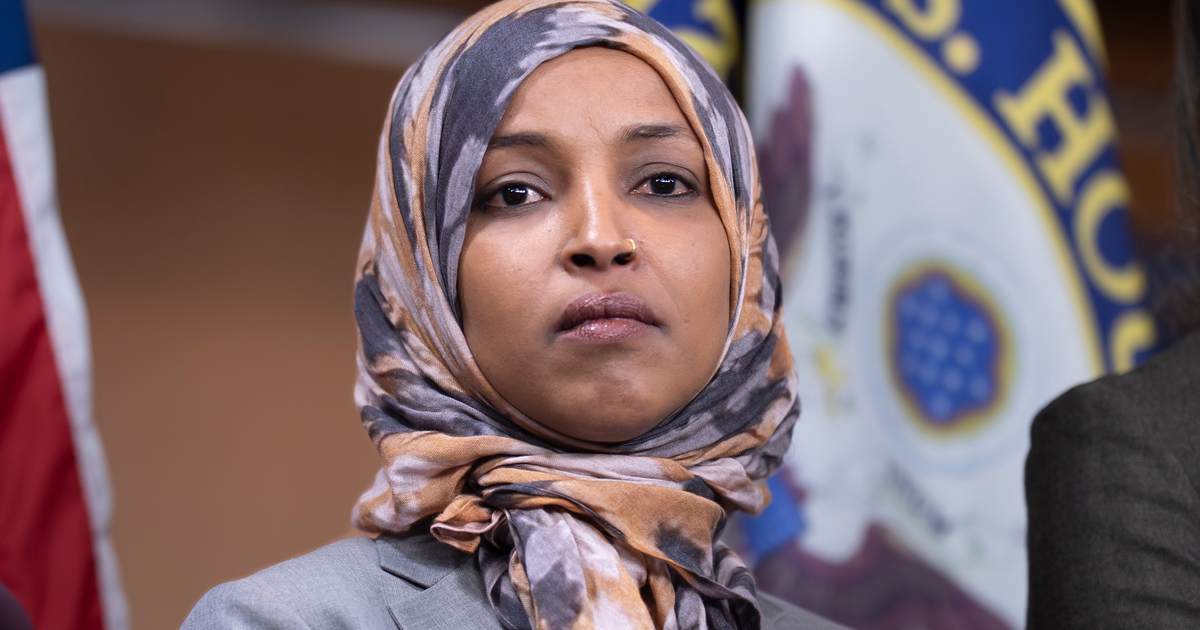
Federal Raid Targets Omar Amid Unresolved Name and Marriage Allegations
Agents searched Rep. Ilhan Omar's DC residence over immigration fraud allegations; she called it bizarre. Reports and commentary questioned her birth name and past marriage details.

Supreme Court Upholds New Hampshire Student ID Voting Ban
The Supreme Court upheld New Hampshire's ban on student IDs as valid voter identification just before midterms, affecting a tight Senate race.
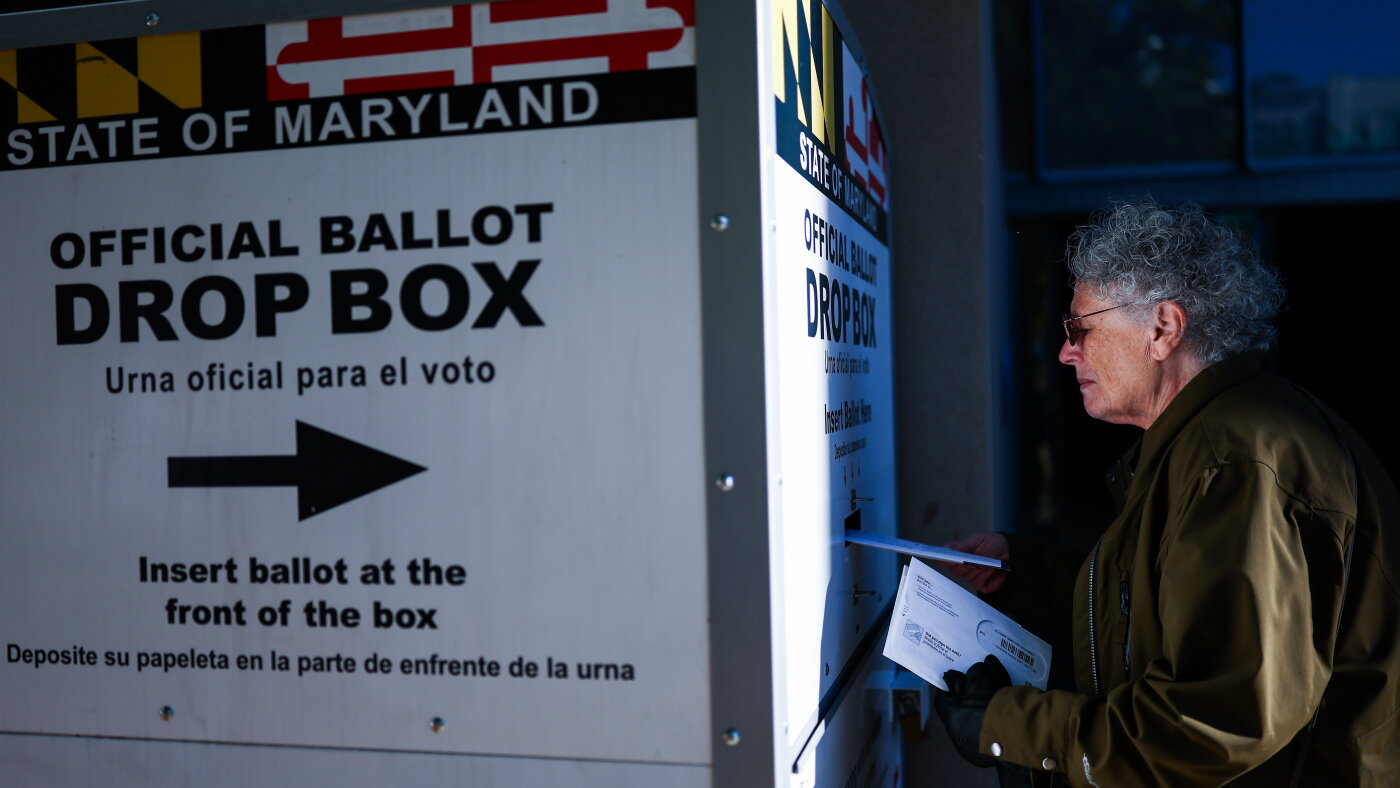
Early Voting Hits 21 Million as Most Trust Midterm Accuracy
Millions have already voted early as parties make final appeals amid $1.4 billion in ad spending; polls show confidence in election accuracy.
The Compass
You just read five takes on one story.
What's your take? Find your political shape in a few minutes.
Take the test