
US Seizes Iranian Cargo Ship in Hormuz, Jeopardizing Pakistan Talks

Cover image from aljazeera.com, which was analyzed for this article
US forces seized the Iranian-flagged cargo ship Touska after it ignored orders and attempted to breach a naval blockade in the Strait of Hormuz. The action has led Iran to express doubts about attending the next round of peace talks in Pakistan, with officials vowing retaliation. President Trump confirmed the operation, escalating tensions amid ongoing mediation efforts.
PoliticalOS
Monday, April 20, 2026 — Politics
The seizure of the Touska after repeated warnings is a concrete enforcement of the US blockade, yet it has given Iran a public rationale to question further talks and promise retaliation. Whether this ends the current diplomatic opening or simply raises its price depends on actions in the next 72 hours before the ceasefire expires. Readers should recognize that both governments have incentives to portray the other as the spoiler while global energy markets and regional stability hang in the balance.
What outlets missed
Most coverage downplayed or omitted that the Touska had ignored six hours of explicit radio warnings before any shots were fired, a detail carried in CENTCOM statements and corroborated by video but minimized in outlets emphasizing Iranian grievances. The ship's prior placement on the US Treasury sanctions list for sanctions evasion received inconsistent attention; when mentioned it was often buried, leaving readers without the legal basis the US cites for treating the vessel as fair game. Iran's initial restriction of strait passage to allied ships only, which preceded and helped trigger the American blockade, was rarely placed at the top of the timeline. Coverage also underplayed that this was the first seizure after 25 prior vessels were turned away peacefully, a fact that frames the US action as graduated rather than sudden. Finally, the exact expiration date of the current ceasefire (Wednesday) and the names of the specific US envoys dispatched to Islamabad appeared in only a minority of reports.
Trump Holds Firm Against Iranian Regime as Peace Talks Face New Setback
President Donald Trump’s administration seized an Iranian-flagged cargo vessel attempting to breach a U.S. naval blockade in the Strait of Hormuz early Monday, underscoring Washington’s determination to enforce consequences even as efforts at negotiated peace with Tehran hang in the balance. The operation, captured on video and released by U.S. Central Command, comes amid a fragile ceasefire and mixed signals from Iran about whether it will attend a second round of talks scheduled in Pakistan.
According to CENTCOM, the guided-missile destroyer USS Spruance issued repeated warnings to the motor vessel Touska before disabling its engine room with gunfire. Marines subsequently boarded the ship. The Touska had been attempting to reach the Iranian port of Bandar Abbas after Iran earlier tried to restrict passage through the strategic waterway to vessels from nations that had cut side deals with the clerical regime. Trump described the interception on Truth Social as a necessary response to Iranian provocations, including firing on French and British ships and attempting to close the strait despite the existing American blockade.
Iranian officials reacted sharply, labeling the seizure an “act of armed piracy” and a violation of the ceasefire that took effect April 8. Foreign Ministry spokesman Esmaeil Baqaei told state media that no decision had been made on sending a delegation to the next round of negotiations in Islamabad, citing American “bad faith” and “excessive demands.” Earlier Sunday, Iranian state media had been more definitive, saying Tehran would not participate. The regime’s joint military command promised retaliation, though it offered no immediate specifics. The ceasefire itself is set to expire by Wednesday, adding urgency to the diplomatic maneuvering.
The Trump administration has approached these talks with a clear emphasis on verifiable results rather than open-ended diplomacy. Vice President JD Vance, envoy Steve Witkoff, and senior adviser Jared Kushner were dispatched to carry forward negotiations focused on core American interests, including restrictions on Iran’s nuclear program, its support for proxy militias, and its destabilizing regional behavior. Trump has repeatedly characterized the American offer as “very fair and reasonable,” while warning that rejection would bring severe consequences. In a pointed Truth Social message, he declared, “We’re offering a very fair and reasonable DEAL, and I hope they take it because, if they don’t, the United States is going to knock out every single Power Plant, and every single Bridge, in Iran. NO MORE MR. NICE GUY!”
This hard edge reflects a broader recognition that decades of sanctions relief, nuclear deals, and rhetorical engagement failed to moderate the Islamic Republic’s conduct. Iran’s economy remains hobbled by mismanagement and corruption under the ayatollahs, yet the regime continues to prioritize ballistic missiles, terrorist financing, and enrichment activities over the welfare of its own citizens. Recent protests inside Iran, though not the focus of Monday’s naval action, have repeatedly shown domestic discontent with the theocratic system’s priorities. Trump’s team appears determined to avoid repeating the pattern of previous administrations that treated Iranian promises as meaningful while ignoring the regime’s consistent pattern of evasion and escalation.
The naval confrontation itself was no minor incident. The Strait of Hormuz carries roughly one-fifth of global oil trade. Iran’s initial attempt to selectively close the passage threatened energy markets and allied economies. By imposing a comprehensive blockade in response, the United States reasserted freedom of navigation principles that have guided American policy in the Gulf for decades. Monday’s boarding of the Touska marks the first known seizure of a non-military Iranian vessel during the current blockade, sending an unmistakable signal that rules apply equally.
Public opinion at home remains divided. An NBC poll released Sunday found majority disapproval of the president’s handling of the Iran situation, though such surveys often reflect immediate sentiment rather than long-term strategic assessment. History suggests that displays of American resolve have at times produced better outcomes with adversarial regimes than endless rounds of concessions. Whether that pattern holds here depends heavily on whether Iranian leaders decide that continued defiance costs more than pragmatic compromise.
As of Monday afternoon, it remained unclear whether the Iranian delegation would ultimately appear in Pakistan or whether the high-level American team would proceed without them. Trump continued to express cautious optimism that talks were “working out very well” despite what he called Iran’s tendency to “get a little cute.” The coming days will test whether the regime’s latest threats represent genuine outrage or familiar bargaining theater. In either case, the administration’s combination of military enforcement and diplomatic outreach illustrates a policy grounded in tangible leverage rather than wishful thinking about the nature of Iran’s revolutionary government. The stakes extend beyond one cargo ship or one round of talks. They involve the credibility of American commitments, the security of global energy flows, and the long-term stability of a region that has suffered too many consequences from miscalculated restraint.
You just read Conservative's take. Want to read what actually happened?
More in Politics

Trump Defends Ramaswamy Ad Using Estranged Mother in Ohio Race
President Trump defended a GOP nominee's ad featuring a Democratic opponent's estranged mother, calling it powerful, while drawing criticism from some Republicans including Ohio Gov. Mike DeWine. The ad has sparked internal GOP tensions ahead of midterms.
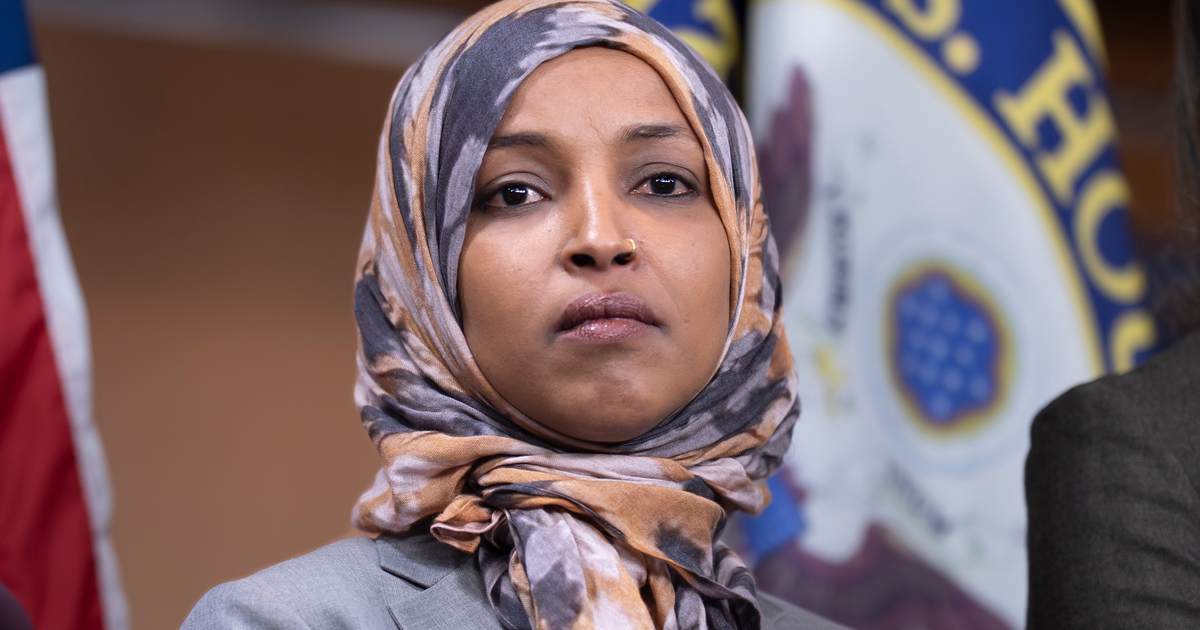
Federal Raid Targets Omar Amid Unresolved Name and Marriage Allegations
Agents searched Rep. Ilhan Omar's DC residence over immigration fraud allegations; she called it bizarre. Reports and commentary questioned her birth name and past marriage details.

Supreme Court Upholds New Hampshire Student ID Voting Ban
The Supreme Court upheld New Hampshire's ban on student IDs as valid voter identification just before midterms, affecting a tight Senate race.
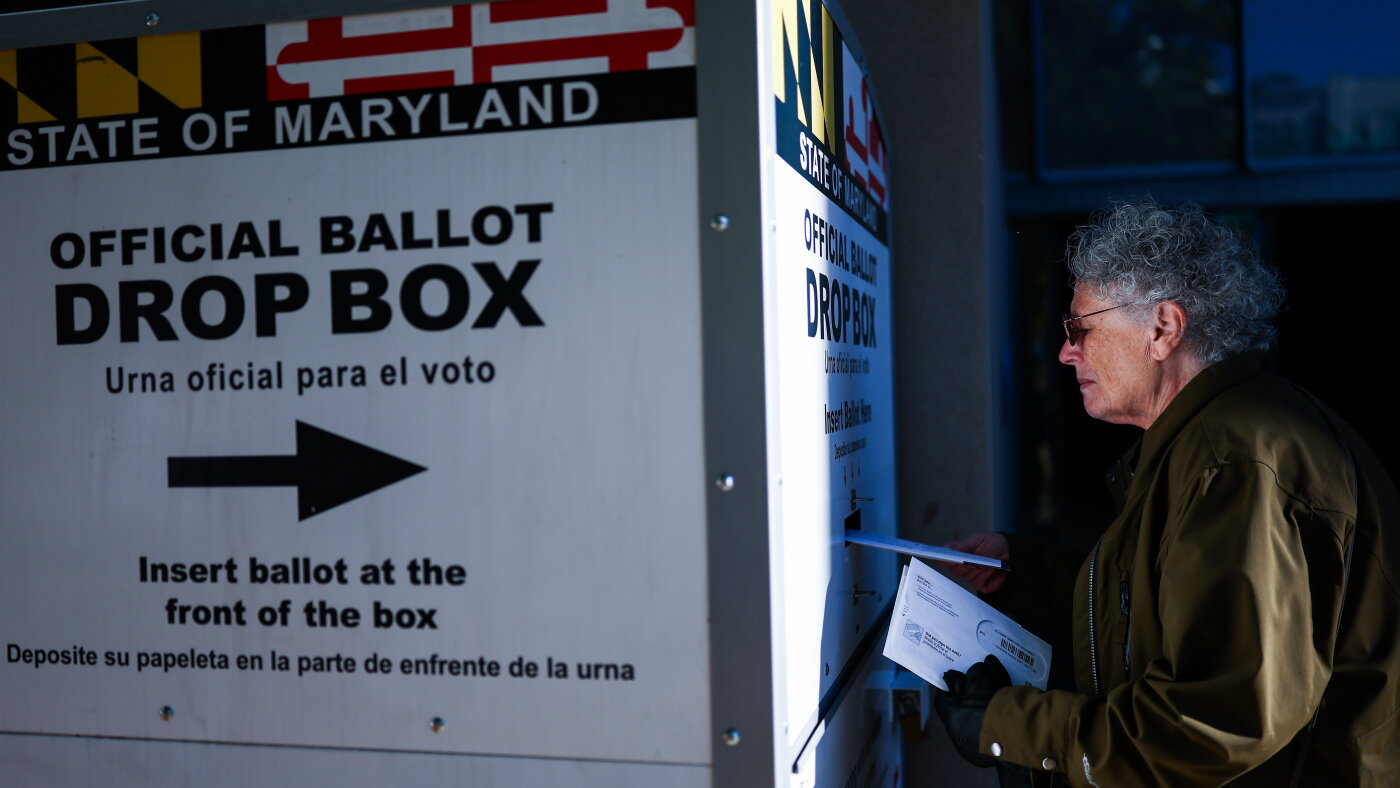
Early Voting Hits 21 Million as Most Trust Midterm Accuracy
Millions have already voted early as parties make final appeals amid $1.4 billion in ad spending; polls show confidence in election accuracy.
The Compass
You just read five takes on one story.
What's your take? Find your political shape in a few minutes.
Take the test