
US Seizes Iranian Cargo Ship in Hormuz, Jeopardizing Pakistan Talks

Cover image from aljazeera.com, which was analyzed for this article
US forces seized the Iranian-flagged cargo ship Touska after it ignored orders and attempted to breach a naval blockade in the Strait of Hormuz. The action has led Iran to express doubts about attending the next round of peace talks in Pakistan, with officials vowing retaliation. President Trump confirmed the operation, escalating tensions amid ongoing mediation efforts.
PoliticalOS
Monday, April 20, 2026 — Politics
The seizure of the Touska after repeated warnings is a concrete enforcement of the US blockade, yet it has given Iran a public rationale to question further talks and promise retaliation. Whether this ends the current diplomatic opening or simply raises its price depends on actions in the next 72 hours before the ceasefire expires. Readers should recognize that both governments have incentives to portray the other as the spoiler while global energy markets and regional stability hang in the balance.
What outlets missed
Most coverage downplayed or omitted that the Touska had ignored six hours of explicit radio warnings before any shots were fired, a detail carried in CENTCOM statements and corroborated by video but minimized in outlets emphasizing Iranian grievances. The ship's prior placement on the US Treasury sanctions list for sanctions evasion received inconsistent attention; when mentioned it was often buried, leaving readers without the legal basis the US cites for treating the vessel as fair game. Iran's initial restriction of strait passage to allied ships only, which preceded and helped trigger the American blockade, was rarely placed at the top of the timeline. Coverage also underplayed that this was the first seizure after 25 prior vessels were turned away peacefully, a fact that frames the US action as graduated rather than sudden. Finally, the exact expiration date of the current ceasefire (Wednesday) and the names of the specific US envoys dispatched to Islamabad appeared in only a minority of reports.
US Seizure of Iranian Vessel Puts Trump Peace Talks in Jeopardy
The United States military seized an Iranian-flagged cargo ship in the Gulf of Oman early Monday, an aggressive move that immediately imperiled already fragile negotiations between Washington and Tehran and drew sharp accusations of bad faith from the Iranian government.
Central Command released video showing the guided-missile destroyer USS Spruance firing its deck gun at the engine room of the motor vessel Touska after the ship ignored repeated warnings to turn back from the Strait of Hormuz. Marines then boarded the disabled vessel. President Donald Trump announced the operation on Truth Social, describing it as enforcement of a naval blockade imposed last week after Iran attempted to restrict shipping through the strategic waterway.
Iran responded within hours, labeling the seizure an act of “armed piracy” and a blatant violation of the ceasefire that took effect on April 8. Foreign Ministry spokesperson Esmaeil Baqaei told reporters that Tehran had “no plans for the next round of negotiation” scheduled for Islamabad, Pakistan, and that no final decision had been taken on whether to attend. He accused the Trump administration of twice betraying diplomacy and acting with “bad faith” by combining talk of peace with military pressure.
The incident throws into doubt a high-stakes diplomatic push that the White House had portrayed as progressing despite setbacks. Trump has dispatched Vice President JD Vance, envoy Steve Witkoff, and senior adviser Jared Kushner to engage Iranian representatives. Yet as of Monday morning it remained unclear whether American negotiators had even departed or if their Iranian counterparts would appear. The first round of talks had already produced little visible progress, with Tehran complaining about what it called “excessive demands” from Washington.
Trump’s own public statements veered between claims of success and open threats. On Sunday he wrote that Iran had “fired bullets yesterday in the Strait of Hormuz” and mocked the Revolutionary Guard for “always wanting to be ‘the tough guy!’” He warned that if Tehran did not accept what he described as a “very fair and reasonable DEAL,” the United States would “knock out every single Power Plant, and every single Bridge, in Iran. NO MORE MR. NICE GUY!”
Such language underscores the contradiction at the heart of the administration’s approach. While Trump insists talks are “working out very well,” his administration has maintained a blockade that prevents Iranian vessels and ships bound for Iranian ports from using the Strait of Hormuz, a chokepoint carrying roughly one-fifth of global oil trade. The Touska was attempting to reach the port of Bandar Abbas when it was intercepted in what Iran described as routine commercial activity.
The ceasefire itself is due to expire by Wednesday, raising fears of rapid escalation. Iranian officials have promised a response “soon” to the ship’s capture, though they have not specified its nature. The episode marks the first known seizure of a non-military Iranian vessel since the blockade began and comes amid a broader pattern of tit-for-tat actions that have kept the region on edge since the outbreak of open hostilities.
Domestic political pressure is also mounting. An NBC poll released Sunday found that roughly two-thirds of American adults either somewhat or strongly disapprove of how Trump is handling the Iran conflict, a level of dissatisfaction that matches public discontent with his management of inflation and the cost of living. On Saturday, as Trump’s motorcade made its way to his Virginia golf club, a woman leaned from her SUV and extended both middle fingers in a gesture captured by the White House pool reporter. It was not the first such public rebuke.
Critics argue the administration’s strategy combines maximum pressure with intermittent diplomacy in a manner that undermines trust. By continuing military operations while claiming to pursue peace, Washington risks repeating the cycle of mistrust that has defined U.S.-Iranian relations for decades. Iranian state media on Sunday evening reported that Tehran was no longer planning to participate in the Pakistan talks, a position Baqaei later softened only slightly by saying no final decision had been made.
The stakes are high. Destruction of power plants and bridges, as Trump has repeatedly threatened, would inflict severe hardship on Iranian civilians already struggling under years of sanctions. At the same time, any Iranian retaliation that targets commercial shipping or U.S. partners in the Gulf could send oil prices soaring and draw in additional regional actors.
For now the diplomatic track appears stalled. Whether the Islamabad meeting occurs, and whether it produces any meaningful de-escalation, will depend on whether both sides can move beyond the current cycle of provocation and threat. Trump’s weekend rhetoric suggests limited patience for prolonged talks. Iran’s response to the loss of the Touska will likely determine if the fragile truce collapses entirely or if a narrow window for negotiation remains open. The coming days, rather than the rhetoric from either capital, will reveal which path prevails.
You just read Progressive's take. Want to read what actually happened?
More in Politics
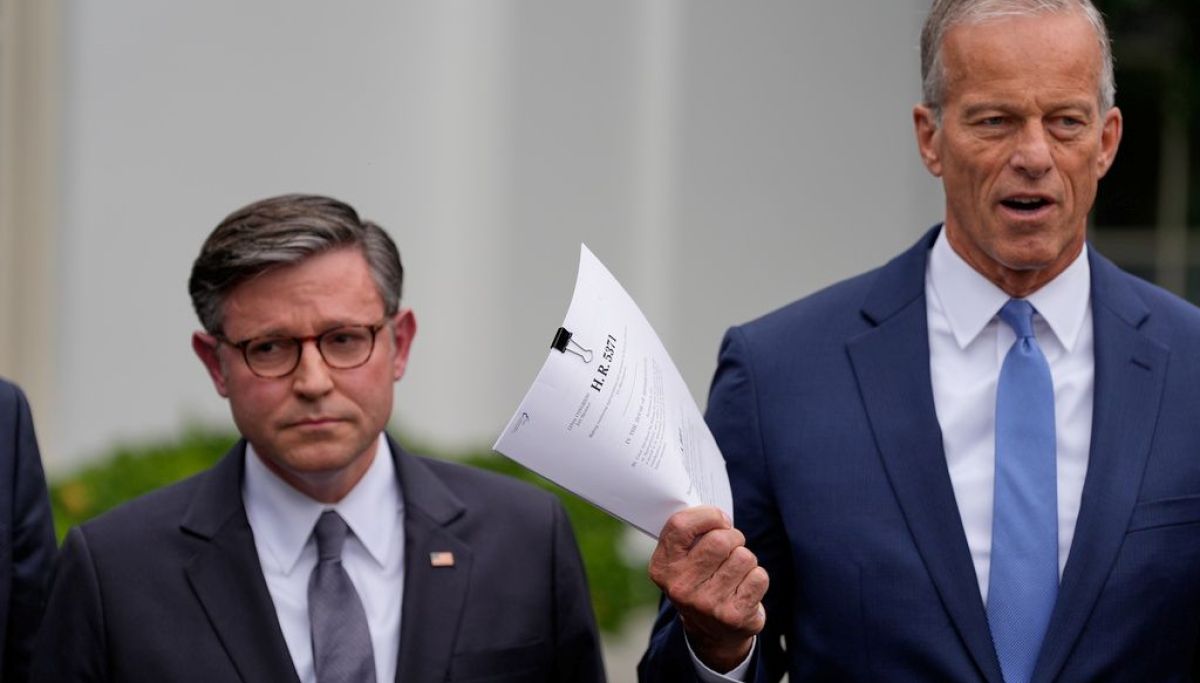
Trump at 32% Approval as Gas Prices Test GOP Midterm Hopes
NYT/Siena polling showed Trump's approval at historic lows around 32 percent with Democrats leading by double digits in key districts. Early voting has surged in battleground states.

Record Early Voting Hits Battlegrounds, Shifting Partisan Shares
AP analysis found hundreds of thousands more early ballots than in 2022 in states including Texas, Ohio, Kansas, Maine, and North Carolina, shifting partisan dynamics.
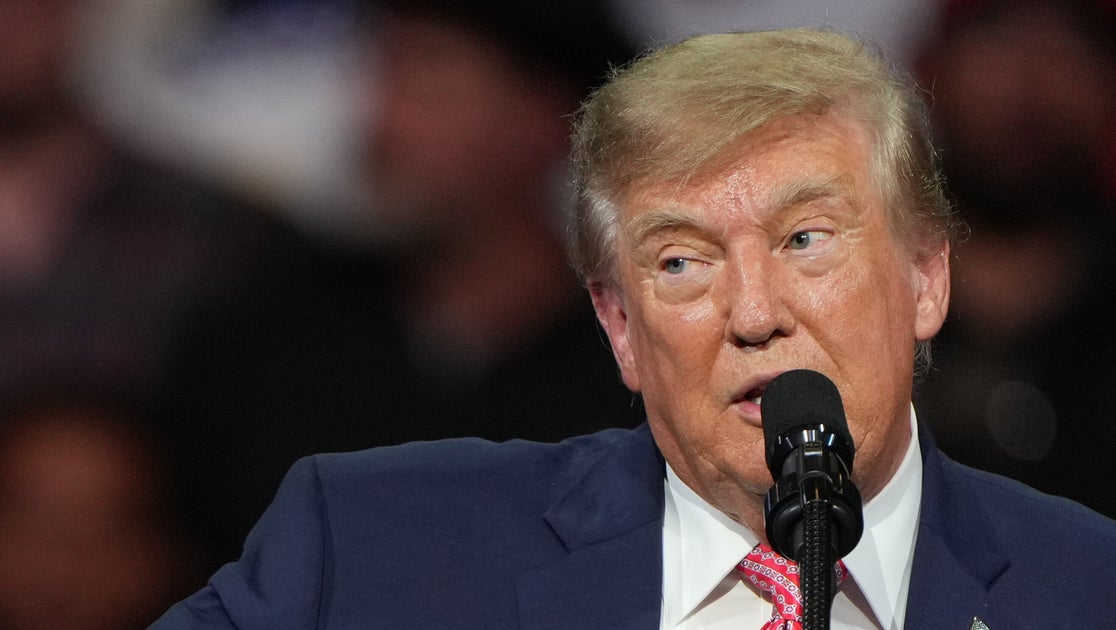
Trump Backs Marshall in Kansas Senate Race Tightened by Farm Costs
President Trump rallied in deep-red Kansas for GOP Sen. Roger Marshall in a competitive race, announcing an $8 billion farm fuel relief program amid high diesel prices. Democrats see an opening to end 94 years of GOP dominance in the state.

Trump Pauses Russia Sanctions Amid Ukraine Tensions and Missile Strikes
Trump waived sanctions on Russia and floated trilateral talks with Putin and Xi as part of ending the Ukraine war, while tensions rose with Zelenskyy over Starlink and arms. Bipartisan senators engaged Zelenskyy amid the shifts.
The Compass
You just read five takes on one story.
What's your take? Find your political shape in a few minutes.
Take the test