
US strikes Iran after missile attempt on troops in Jordan
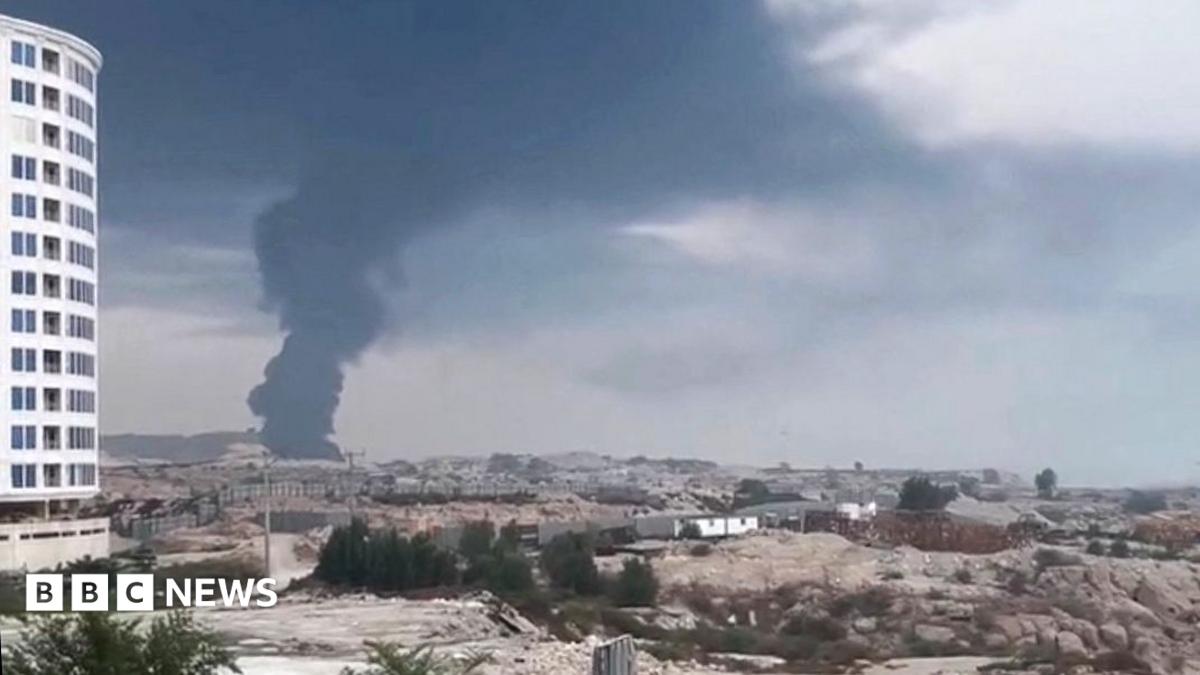
Cover image from bbc.co.uk, which was analyzed for this article
The US conducted a new wave of strikes on Iranian targets in retaliation for an attempted attack on American forces, with reports of damage on Qeshm Island and Iranian pledges of response. Coverage spans escalation risks, oil market effects, and strategic debates across outlets.
PoliticalOS
Thursday, July 30, 2026 — Politics
The strikes represent another step in a continuing cycle of retaliation that began after the April ceasefire collapsed. Civilian casualties claimed by Iranian media remain unverified by other sources, while the risk of expanded conflict affecting oil routes and neighboring states continues to grow without a diplomatic off-ramp.
What outlets missed
Most coverage omitted the scale of prior US strikes on Iranian territory that preceded the latest Iranian missile attempt. Few outlets detailed the internal US debate over whether to expand the campaign into a sustained two-week operation against remaining Iranian missile launchers. Coverage also underplayed the specific economic losses Gulf states have recorded from repeated attacks on ports, power plants, and desalination facilities. The role of Saudi Arabia in both the Iraq strikes and reported diplomatic outreach to Washington received limited attention across the sample.
The latest round of US military action against Iran has raised the risk of wider disruption to oil shipments and further civilian harm in the Persian Gulf region. American forces responded to an Iranian ballistic missile launch aimed at a base in Jordan by hitting dozens of Islamic Revolutionary Guard Corps sites, according to US Central Command.
CENTCOM stated that the strikes, which ran from 8 to 10 p.m. ET on July 29, 2026, targeted command centers, missile and drone facilities, coastal defense sites, and maritime capabilities. The command described the action as a direct reply to five Iranian missiles fired the previous day at US positions in Jordan; all five were intercepted, with no US casualties reported. President Trump told reporters the strikes marked the US turn in an exchange of attacks and said Iran had asked that they be halted.
Iranian state media reported three deaths, including a two-year-old child, after a strike on a residential building on Qeshm Island, along with explosions in Fars, Bushehr, Khuzestan, and Hormozgan provinces. Those casualty figures have not been corroborated by independent sources or US statements. The IRGC pledged retaliation and said earlier missile launches responded to prior US actions.
The exchange follows the collapse of a brief diplomatic pause that had halted strikes for several days. Earlier in the week the United States and Saudi Arabia also struck Iran-linked sites in Iraq after drone attacks on regional infrastructure. Trump has described the overall campaign as necessary to degrade Iranian capabilities, while Iranian officials have labeled US demands maximalist.
Regional effects include power outages reported in parts of southern Iran and renewed concern over shipping through the Strait of Hormuz. Gulf Arab states have faced repeated Iranian strikes on energy and civilian sites during the broader conflict that began in February 2026. No agreement on de-escalation has been reached, and both sides continue to exchange threats of further action.
More in Politics

Federal Agents Search Omar Home in Ongoing Immigration Probe
Homeland Security agents searched the Minnesota Democrat's DC residence in a criminal probe, prompting accusations of political intimidation from Omar and Democratic leaders. Coverage spans left-leaning outlets like NPR, BBC, and The Guardian alongside right-leaning criticism from The Federalist and Daily Wire.

Trump Diesel Import Plan Draws Pushback Over Russia Ties
The weekend agreement drew bipartisan congressional pushback and criticism from Ukraine's Zelenskyy, with analysts downplaying US fuel price impacts. Right-leaning outlets like National Review, Dispatch, and Washington Examiner questioned its legality and effectiveness.

Independents Test Voter Appetite for Middle Ground in 2026 Midterms
Nearly 200 independents are running in competitive races as voters weigh ballot measures on housing costs in states like Massachusetts. Left-leaning coverage from NYT, NPR, and Guardian highlights turnout and key races while right outlets focus on GOP strategy.
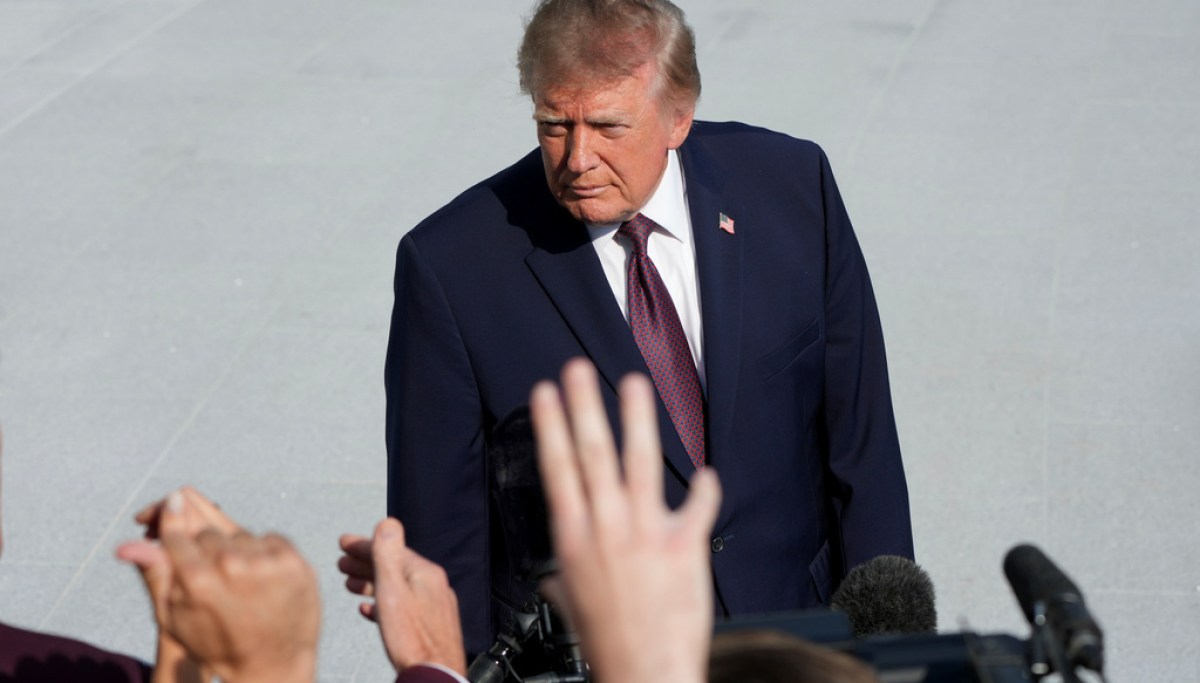
Trump Rallies in Alaska, Ohio to Bolster GOP Senate Candidates
The president rallied in Wasilla for Sen. Dan Sullivan and faced empty seats at an Ohio event amid midterm concerns. Outlets across the spectrum covered the trips as signals of GOP vulnerability weeks before Election Day.
The Compass
You just read five takes on one story.
What's your take? Find your political shape in a few minutes.
Take the test