
Direct US-Venezuela Passenger Flights Resume After 7-Year Halt
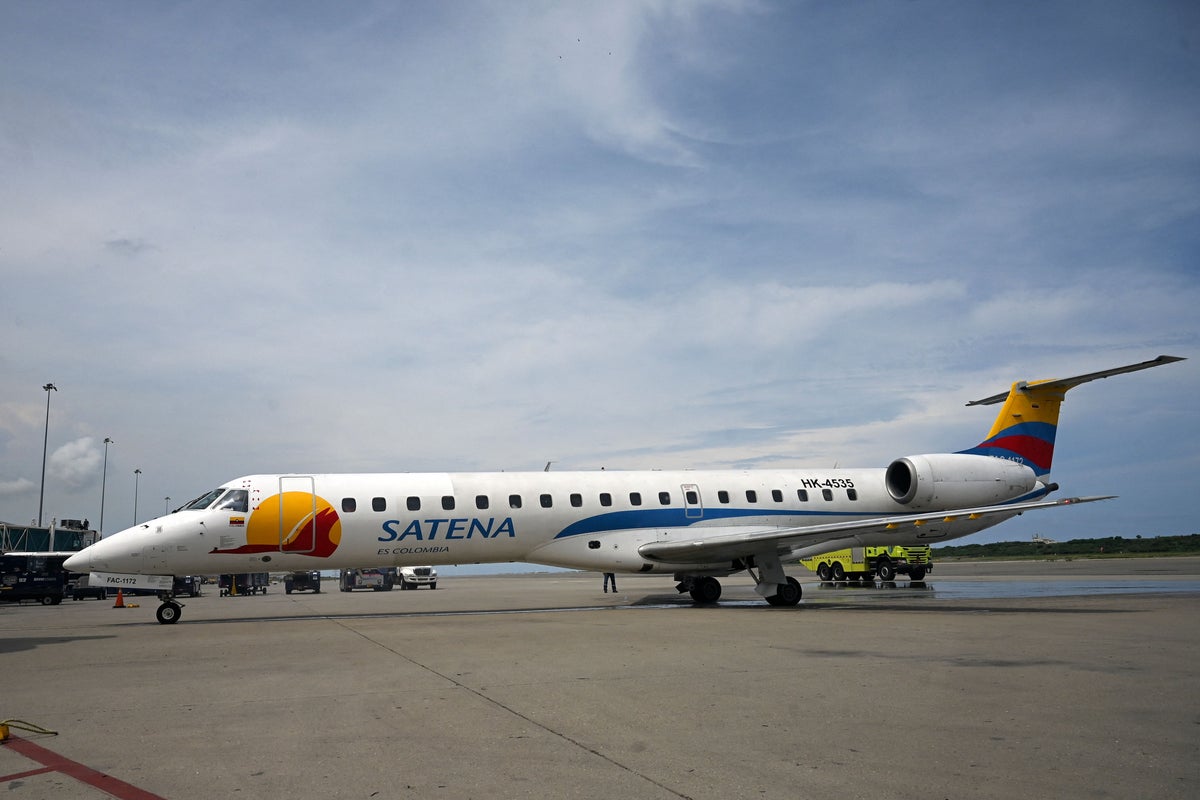
Cover image from independent.co.uk, which was analyzed for this article
The first direct commercial flight from the US to Venezuela in seven years arrived in Caracas, marking eased tensions under current diplomacy. The resumption could boost trade and travel amid shifting bilateral relations. It reflects broader de-escalation efforts in the region.
PoliticalOS
Thursday, April 30, 2026 — Politics
Direct passenger flights have resumed as part of a swift diplomatic and economic thaw following Maduro's capture and Rodríguez's emergence as acting president. The change offers real opportunities for families and commerce after years of isolation, yet the U.S. government still warns travelers to reconsider trips due to crime and instability. Long-term success hinges on whether the new leadership can deliver credible elections and broad stability rather than elite deals.
What outlets missed
Both outlets repeated the same AP-sourced core without noting that Amerijet International had already flown a direct commercial cargo route on April 20, ten days earlier, reducing the novelty of the passenger service. They also omitted that Delcy Rodríguez had been sanctioned by the U.S. Treasury until only weeks before the flight for her role in actions undermining democracy and links to agencies involved in detentions. Current State Department travel warnings (Level 3: Reconsider Travel due to crime, kidnapping and unrest) and reports of April protests involving tear gas and arrests received no mention, leaving readers without practical context on safety. Finally, the precise attribution of the 2019 suspension to the Department of Homeland Security appears inaccurate; contemporaneous actions came primarily from State, DOT and FAA over risks tied to the political crisis.
Direct Flights Between US and Venezuela Resume After Maduro Ouster
The first direct commercial flight from the United States to Venezuela in seven years is scheduled to land in Caracas on Thursday, a tangible sign of normalized relations between the two countries after a long period of diplomatic rupture, economic collapse and, most recently, a stunning American military intervention.
Flight AA3599, operated by Envoy Air, a regional subsidiary of American Airlines, left Miami at 10:16 a.m. local time and is due to arrive in the Venezuelan capital three hours later before making the return trip the same afternoon. The airline has already announced a second daily Miami-Caracas round trip beginning May 21. For Venezuelans with family in the United States and for American businesses eyeing opportunities in the oil-rich but battered South American nation, the flights represent the most concrete evidence yet that the worst chapter in bilateral relations may be closing.
The resumption comes barely four months after U.S. special forces captured Nicolás Maduro in a nighttime raid on the presidential residence in Caracas. The operation, carried out in early January, removed the man who had presided over Venezuela’s descent into hyperinflation, mass emigration and widespread repression. Within weeks, the United States formally reopened its embassy in the capital, restoring full diplomatic ties that had been severed in 2019 when the Trump administration first refused to recognize Maduro’s legitimacy.
Delcy Rodríguez, who assumed the role of acting president after Maduro’s removal, has worked quickly to signal a break with the past, though her own political history as a longtime Maduro loyalist leaves many observers cautious about how genuine or durable the transition will prove. President Donald Trump, in late January, told reporters he had personally informed Rodríguez that Washington would reopen Venezuelan airspace to American commercial traffic. “American citizens will be very shortly able to go to Venezuela, and they’ll be safe there,” he said.
The statement carried the familiar Trump blend of confidence and promotional flair. Yet the speed of the reopening, coming so soon after an extrajudicial capture of a sitting head of state, has raised quiet questions in foreign-policy circles about precedent, legality under international norms, and whether the United States has once again chosen short-term disruption over the slower work of supporting domestic democratic institutions.
Those concerns feel distant, however, to the thousands of Venezuelan-American families who have spent years routing travel through Panama, Colombia or Costa Rica at considerable expense and inconvenience. Many have not seen elderly parents or childhood friends since the Maduro government’s crackdowns and the subsequent American sanctions made travel and communication difficult. The new flights are expected to be filled with reunions, suitcases of consumer goods, and the tentative return of dual nationals testing whether daily life in Caracas has grown calmer.
The seven-year hiatus began in 2019 when the Department of Homeland Security suspended all commercial flights, citing credible threats to aviation safety and security. At the time, Maduro’s government stood accused of allowing criminal networks tied to Colombian guerrillas and Lebanese Hezbollah to operate inside Venezuelan territory. The country’s airports had fallen into disrepair. Pilots and mechanics fled amid the economic meltdown. What had once been routine travel between Miami and Caracas became an ordeal involving multiple connections and the constant risk that political conditions would worsen without warning.
The deeper story is one of institutional decay. Venezuela’s collapse under Maduro was not merely an economic failure; it was a political one. Once the richest country in Latin America per capita, it suffered the largest peacetime exodus in modern history as more than seven million citizens fled poverty, hunger and political persecution. The United States absorbed hundreds of thousands of those migrants, many of whom built new lives in Florida, Texas and New York. Their remittances became a lifeline for those left behind.
Trump’s first-term policy of “maximum pressure” through sanctions and diplomatic isolation did not dislodge Maduro. The current approach appears to have succeeded through more direct means. Yet the acting government in Caracas still faces enormous hurdles: ruined infrastructure, a judiciary compromised by years of politicization, and an oil industry desperately in need of investment and technical expertise that only American and European firms can realistically provide at scale.
For now, the immediate focus remains practical. American Airlines executives have framed the new routes as both humanitarian and commercial, offering families the chance to reconnect and businesses the opportunity to explore long-dormant markets. The flights themselves are modest, two per day at the outset. But in a relationship defined for years by hostility, even modest steps carry symbolic weight.
Whether this reopening leads to genuine political liberalization or merely a friendlier autocracy dressed in the language of pragmatism remains the central uncertainty. Rodríguez’s government has promised elections and economic reforms. Skeptics note that many of the same officials who enabled Maduro’s rule remain in influential positions. The United States, having taken the extraordinary step of seizing a foreign leader on his own soil, now finds itself invested in the success of whatever government follows him.
Thursday’s flight from Miami will therefore be more than a commercial landing. It marks the physical reconnection of two societies whose recent history has been defined by distance, suspicion and, at times, outright confrontation. For the passengers on board, the experience may feel routine, even mundane. For anyone who has followed Venezuela’s long crisis, it registers as something rarer: a fragile, tentative beginning.
You just read Liberal's take. Want to read what actually happened?
More in Politics

Trump Defends Ramaswamy Ad Using Estranged Mother in Ohio Race
President Trump defended a GOP nominee's ad featuring a Democratic opponent's estranged mother, calling it powerful, while drawing criticism from some Republicans including Ohio Gov. Mike DeWine. The ad has sparked internal GOP tensions ahead of midterms.
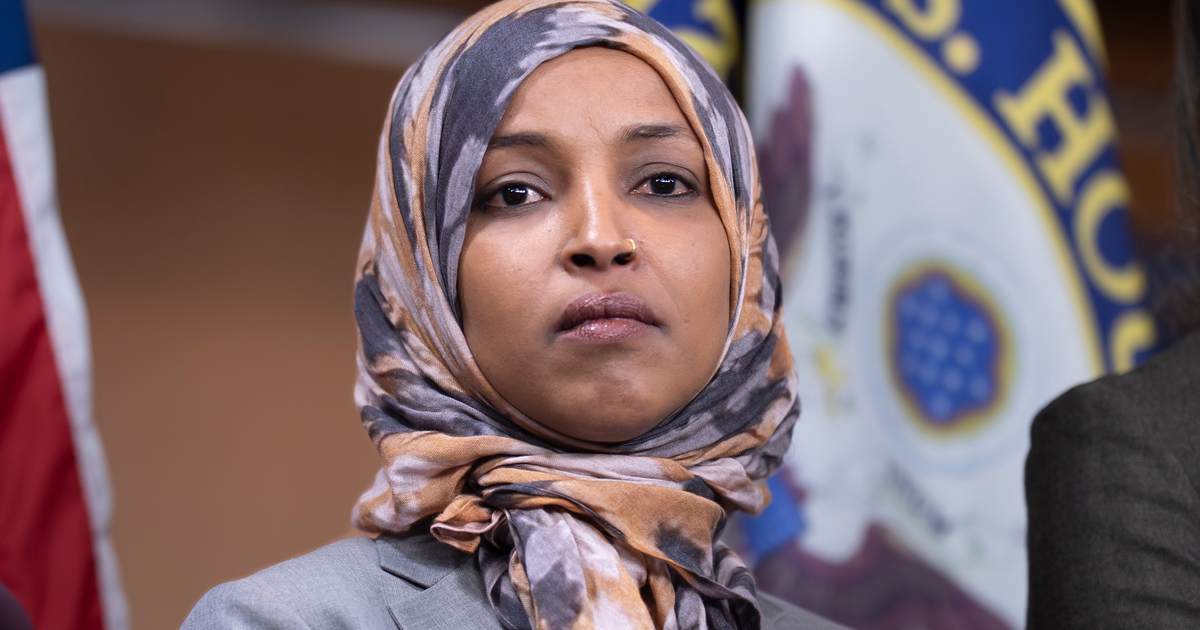
Federal Raid Targets Omar Amid Unresolved Name and Marriage Allegations
Agents searched Rep. Ilhan Omar's DC residence over immigration fraud allegations; she called it bizarre. Reports and commentary questioned her birth name and past marriage details.

Supreme Court Upholds New Hampshire Student ID Voting Ban
The Supreme Court upheld New Hampshire's ban on student IDs as valid voter identification just before midterms, affecting a tight Senate race.
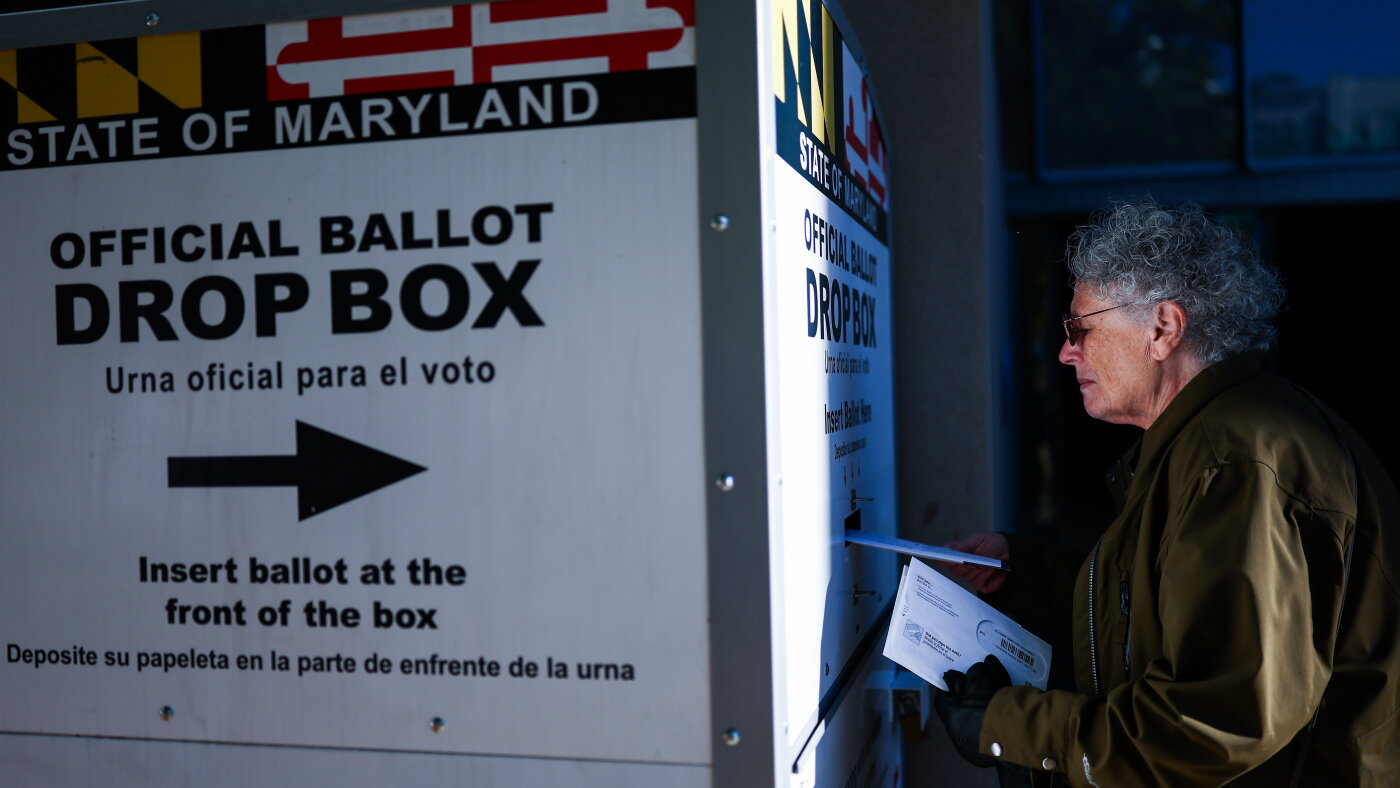
Early Voting Hits 21 Million as Most Trust Midterm Accuracy
Millions have already voted early as parties make final appeals amid $1.4 billion in ad spending; polls show confidence in election accuracy.
The Compass
You just read five takes on one story.
What's your take? Find your political shape in a few minutes.
Take the test