
Extended USS Lincoln deployment strains crew amid conflicting accounts

Cover image from npr.org, which was analyzed for this article
Reports detail concerns over living conditions and extended deployment for sailors on the aircraft carrier, with family complaints and military health expert input. The Trump administration downplayed issues while some outlets defended the mission length.
PoliticalOS
Saturday, August 15, 2026 — Politics
The Lincoln's nine-month deployment without port calls has produced documented strains on roughly 5,000 sailors, yet official data show mission objectives met and no confirmed spike in severe mental health incidents. Replacement by another carrier is underway as part of a planned rotation.
What outlets missed
Most outlets omitted Acting Secretary Cao's specific metrics on retention rates and ordnance delivered, which provide operational context beyond living conditions. Few noted that the USS Gerald R. Ford completed a 326-day deployment under prior leadership with its own reported challenges. Coverage rarely included the Navy's explicit statement that no increase in suicidal ideation was identified from command data. The single confirmed overboard incident received inconsistent mention across reports.
Sailors aboard the USS Abraham Lincoln have spent more than 260 days at sea supporting operations in the Middle East, with reports of supply shortages, plumbing failures and mental health strain prompting questions from families and lawmakers. The carrier left San Diego on November 21 and was redirected after the start of U.S. operations against Iran, extending a deployment originally planned for the Pacific. No port calls have occurred since departure.
Central Command stated that service members remain resilient after 10,000 aircraft flights and 1.5 million pounds of ordnance expended, adding that no sailors have died and that one sailor who fell overboard on August 3 was recovered. The Navy has said data available to command show no increase in reported suicidal ideation or attempts, while acknowledging that extended deployments create strain. A Navy official confirmed continuous access to clean water, functional air conditioning and healthy meals despite disrupted supply routes.
Acting Secretary of the Navy Hung Cao described the crew as having crushed the deployment and noted retention rates among the highest of all carriers. He said meal plans were adjusted when fresh resupply was unavailable and calls home were limited during high-threat periods, with a small number of mental health cases treated and no loss of life. The USS George Washington is preparing to relieve the Lincoln as part of a planned rotation.
Retired Navy officers and a behavioral scientist told The Guardian that the absence of port visits and repeated extensions increase psychological pressure on crews of roughly 5,000. Democratic lawmakers have requested details from the Pentagon on conditions. CENTCOM rejected claims of seven sailor deaths in a brawl and of a spike in suicidal ideation as false. The ship is expected to return home soon.
More in Politics

Federal Agents Search Omar Home in Ongoing Immigration Probe
Homeland Security agents searched the Minnesota Democrat's DC residence in a criminal probe, prompting accusations of political intimidation from Omar and Democratic leaders. Coverage spans left-leaning outlets like NPR, BBC, and The Guardian alongside right-leaning criticism from The Federalist and Daily Wire.

Trump Diesel Import Plan Draws Pushback Over Russia Ties
The weekend agreement drew bipartisan congressional pushback and criticism from Ukraine's Zelenskyy, with analysts downplaying US fuel price impacts. Right-leaning outlets like National Review, Dispatch, and Washington Examiner questioned its legality and effectiveness.

Independents Test Voter Appetite for Middle Ground in 2026 Midterms
Nearly 200 independents are running in competitive races as voters weigh ballot measures on housing costs in states like Massachusetts. Left-leaning coverage from NYT, NPR, and Guardian highlights turnout and key races while right outlets focus on GOP strategy.
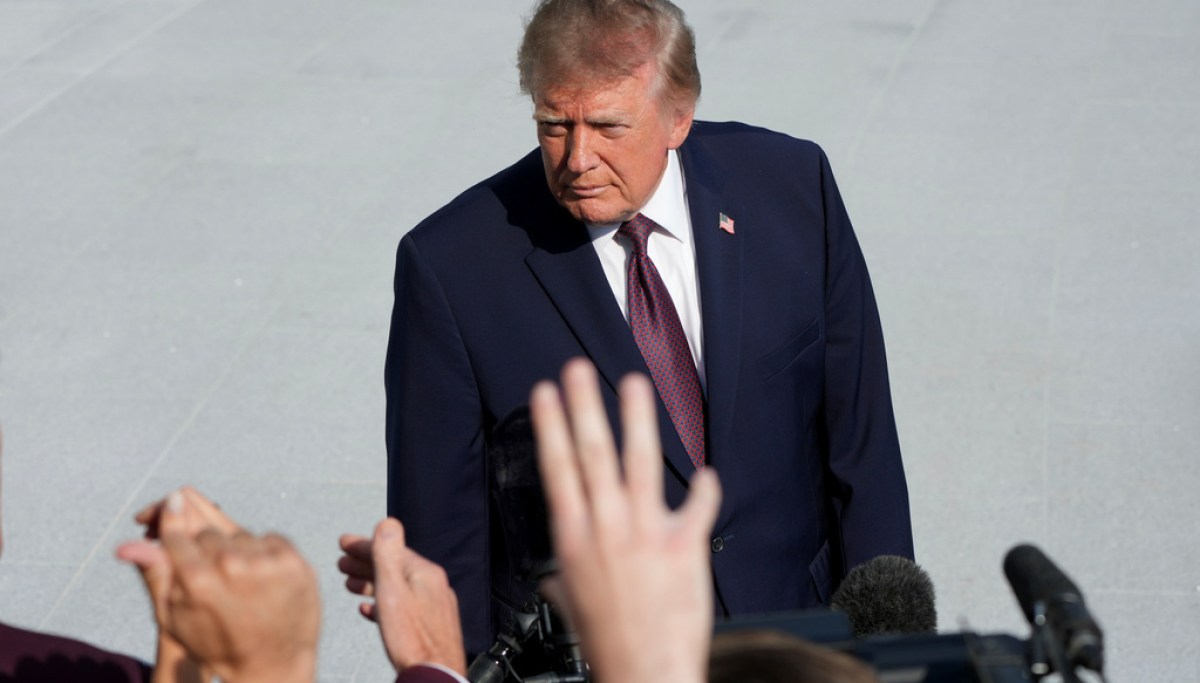
Trump Rallies in Alaska, Ohio to Bolster GOP Senate Candidates
The president rallied in Wasilla for Sen. Dan Sullivan and faced empty seats at an Ohio event amid midterm concerns. Outlets across the spectrum covered the trips as signals of GOP vulnerability weeks before Election Day.
The Compass
You just read five takes on one story.
What's your take? Find your political shape in a few minutes.
Take the test