
Virginia Voters Weigh Temporary Partisan Redistricting That Could Net Democrats Four House Seats
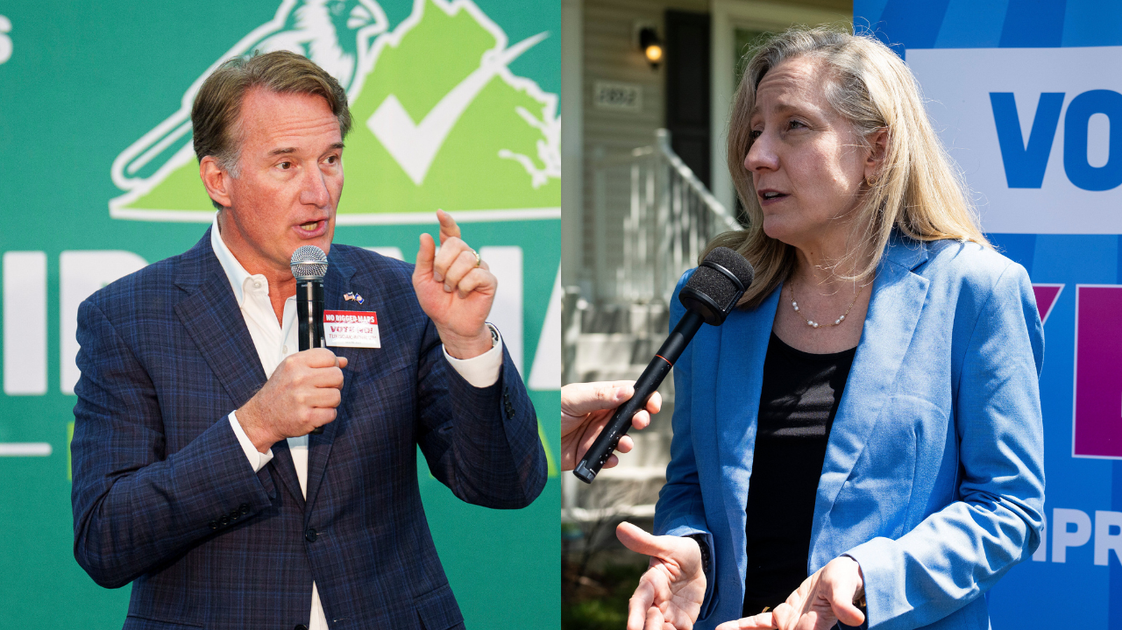
Cover image from huffpost.com, which was analyzed for this article
Virginians voted on a ballot measure to redraw congressional maps in a way that could give Democrats a significant advantage, potentially flipping multiple GOP-held seats ahead of midterms. Republicans decried it as a blatant partisan power grab countering Trump's gerrymandering efforts, while Democrats framed it as correcting unfair lines. The outcome may influence national House control and future redistricting battles.
PoliticalOS
Tuesday, April 21, 2026 — Politics
Tuesday's referendum offers Virginians a direct choice on whether the ends of offsetting Republican national redistricting gains justify temporarily suspending the independent commission they themselves created in 2020. Passage would likely deliver Democrats a decisive edge in four House races, tightening their path to majority control in 2026, yet courts could still intervene and Florida's pending moves could neutralize the math. The single clearest fact is that both parties have abandoned earlier commitments to nonpartisan map-drawing when it suits their immediate interests; voters must now decide which precedent matters more.
What outlets missed
Most coverage omitted the amendment's explicit conditional trigger: it authorizes redraws only between January 2025 and October 2030 if another state has redrawn maps for non-census, non-court reasons. This detail, available on the Virginia Department of Elections site, reframes the measure as reciprocal rather than unilateral. Outlets also underplayed the 2020 voter-approved constitutional amendment creating the bipartisan commission now being bypassed, and the precise ballot wording voters actually see, which emphasizes "restore fairness" and the temporary reversion to independent processes after 2030. Finally, few noted that dark money flowed to both sides, or that pending court rulings on compactness and process could nullify the map even after a yes vote, leaving the outcome uncertain regardless of Tuesday's tally.
Virginia Voters Reject Democratic Gerrymander in Tight Redistricting Showdown
Virginians went to the polls Tuesday to decide the fate of a Democratic-backed referendum that would hand the party near-total control of the state's congressional seats in a move critics describe as one of the most brazen power grabs in recent American politics. The ballot measure, if approved, would strip power from the state's independent redistricting commission and let Democrat-controlled legislators redraw maps mid-decade, potentially flipping the current 6-5 Democratic edge into a 10-1 advantage despite the state remaining politically competitive.
President Donald Trump joined former Virginia Gov. Glenn Youngkin and other Republicans in the final hours to warn voters that the scheme amounted to election rigging dressed up as reform. "This referendum is a blatant partisan power grab that nobody’s really ever seen anything like it," Trump said in a tele-rally Monday night. He singled out Democratic Gov. Abigail Spanberger, who campaigned as a moderate but now presides over an effort that could eliminate four Republican congressional districts. Trump urged a simple "no" vote to preserve fair representation.
The numbers tell the real story. Kamala Harris carried Virginia with just under 52 percent of the vote in 2024. Under the proposed map, Democrats would claim roughly 91 percent of the seats. That 39-point gap between popular vote and congressional outcome dwarfs similar efforts elsewhere and would transform a purple state into something resembling a one-party fiefdom. Five of the new Democratic districts would be anchored in deep-blue Northern Virginia suburbs and snake deep into rural conservative territory, diluting the voices of working-class and farm communities in favor of affluent D.C. bedroom counties.
Republicans have called the effort immoral and unconstitutional. Youngkin, campaigning until the final hours, told supporters the map "takes northern Virginia and injects it into the entire state." The plan specifically targets GOP incumbents including Rep. Rob Wittman and others whose districts would be carved up or submerged in liberal strongholds. Former Attorney General Jason Miyares joined the effort to defeat what they describe as raw political retaliation.
Democrats, led by groups spending more than $60 million mostly in untraceable dark money, framed the referendum as "restoring fairness" and a necessary response to Republican map-drawing in Texas and other states. Yet the contrasts are stark. In Texas, where Harris won 42 percent, the GOP map produced a 21-point efficiency gap. Virginia's proposal is nearly double that disparity in the opposite direction. Democrats also leaned heavily on former President Barack Obama and House Minority Leader Hakeem Jeffries to rally support, even as Republicans highlighted past statements from both men condemning gerrymandering. GOP ads pointing out those contradictions drew furious denunciations from Democrats who called them "stone cold lies," though both Spanberger and Obama had previously opposed exactly this kind of mid-decade maneuvering.
The campaign exposed deeper tensions. Ballot language spoke vaguely of "fairness" while the Spanberger administration discouraged county clerks from even displaying the proposed maps at polling sites. Early voting was heavy, nearly matching last year's gubernatorial turnout, but public polling suggested the race remained tight in a state that has trended left but still contains strong pockets of resistance to Washington-style politics. Nearly $100 million poured into the contest overall, the vast majority backing the Democratic position through opaque nonprofit groups that shield donor identities from scrutiny.
This fight did not emerge in isolation. It forms the latest chapter in a national redistricting arms race that Trump ignited last year by pressing Republican states to maximize their advantages before the 2026 midterms. Democrats answered in kind, first in California and now Virginia, turning what was once a decennial exercise based on census data into a year-round game of partisan map manipulation. The difference, Republicans argue, is that Virginia's current delegation already slightly overrepresents Democrats relative to the statewide vote. The new map doesn't correct imbalance. It obliterates it.
For average Virginians outside the Beltway corridor, the stakes are concrete. Rural districts would lose independent representation as their conservative areas are diluted by waves of northern Virginia voters. The five Republican-held seats currently reflect the state's genuine divide. Collapsing that to one safe GOP district would leave millions feeling unrepresented in Congress at a time when trust in institutions is already low.
Democrats insist the move is defensive, a last chance to offset Republican gains elsewhere before November. Yet the spectacle of a light-blue state governor breaking moderate campaign promises to pursue the most lopsided gerrymander in the country reveals more about raw power than principle. Spanberger's own shift from criticizing such tactics to embracing them underscores how quickly ideals bend when majorities are on the line.
As polls closed Tuesday evening, both sides braced for a narrow result. A defeat for the referendum would represent a significant rebuke to Spanberger's young governorship and hand Republicans a defensive victory in the redistricting wars. A narrow passage would hand Democrats up to four additional seats in the House, fundamentally altering the math for control of Congress. Either way, the episode lays bare how both parties increasingly view electoral maps not as reflections of the people's will but as weapons to be wielded against it. Virginia's voters, many of them exhausted by endless political combat, delivered their verdict on whether fairness means equal representation or simply winning at any cost.
You just read America First's take. Want to read what actually happened?
More in Politics
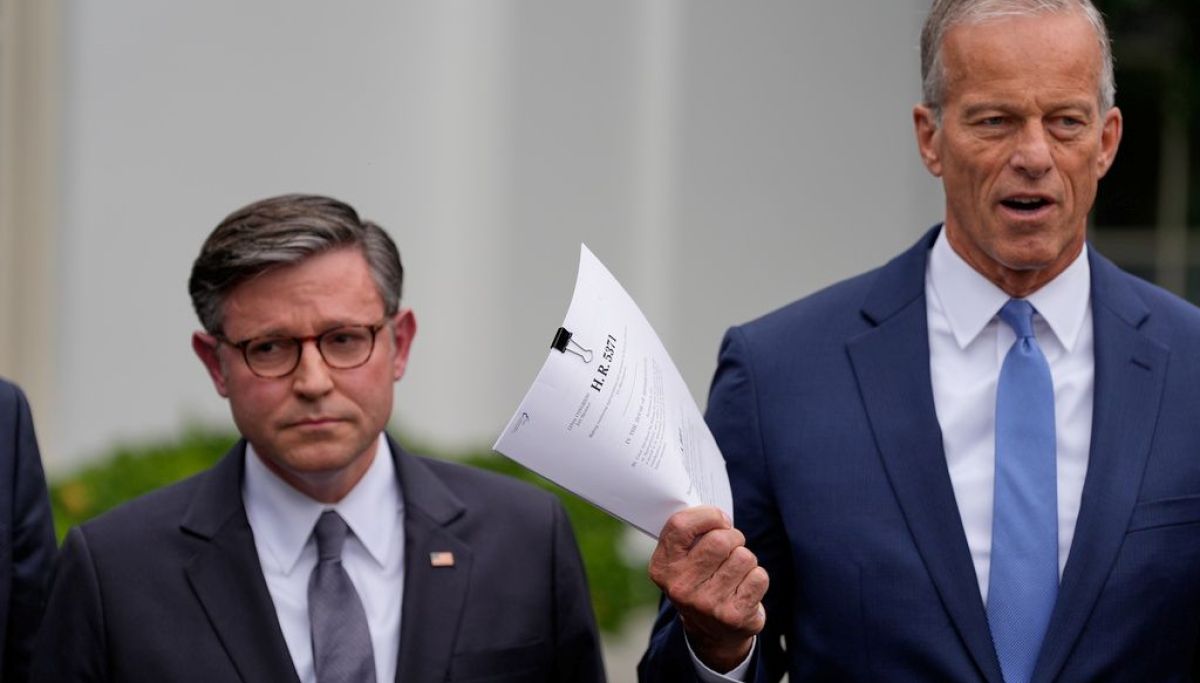
Trump at 32% Approval as Gas Prices Test GOP Midterm Hopes
NYT/Siena polling showed Trump's approval at historic lows around 32 percent with Democrats leading by double digits in key districts. Early voting has surged in battleground states.

Record Early Voting Hits Battlegrounds, Shifting Partisan Shares
AP analysis found hundreds of thousands more early ballots than in 2022 in states including Texas, Ohio, Kansas, Maine, and North Carolina, shifting partisan dynamics.
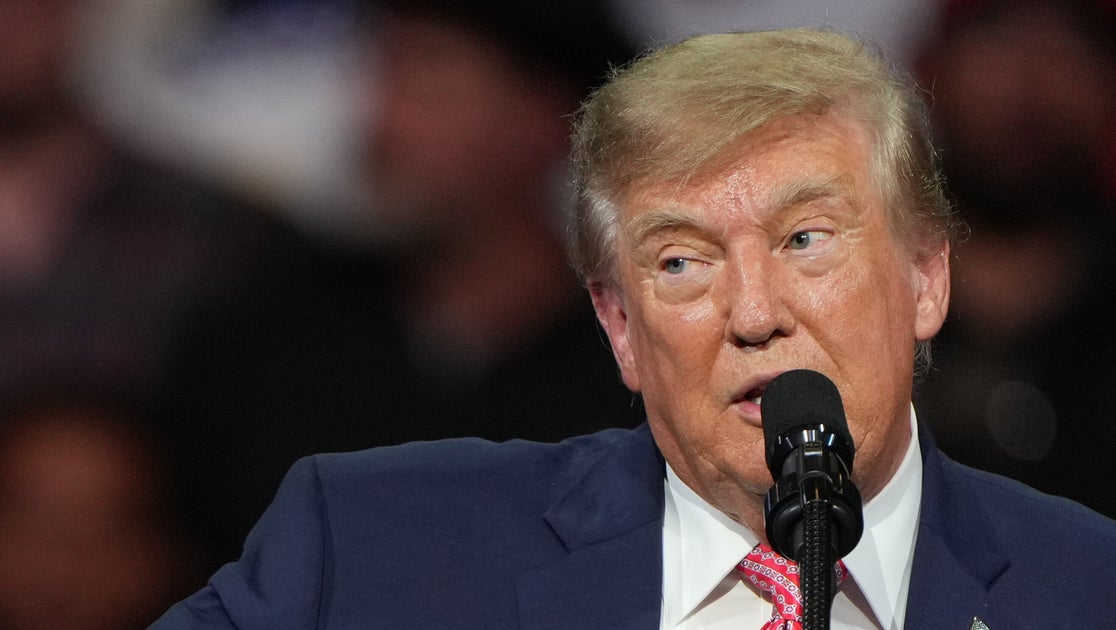
Trump Backs Marshall in Kansas Senate Race Tightened by Farm Costs
President Trump rallied in deep-red Kansas for GOP Sen. Roger Marshall in a competitive race, announcing an $8 billion farm fuel relief program amid high diesel prices. Democrats see an opening to end 94 years of GOP dominance in the state.

Trump Pauses Russia Sanctions Amid Ukraine Tensions and Missile Strikes
Trump waived sanctions on Russia and floated trilateral talks with Putin and Xi as part of ending the Ukraine war, while tensions rose with Zelenskyy over Starlink and arms. Bipartisan senators engaged Zelenskyy amid the shifts.
The Compass
You just read five takes on one story.
What's your take? Find your political shape in a few minutes.
Take the test