
Virginia Voters Weigh Temporary Partisan Redistricting That Could Net Democrats Four House Seats
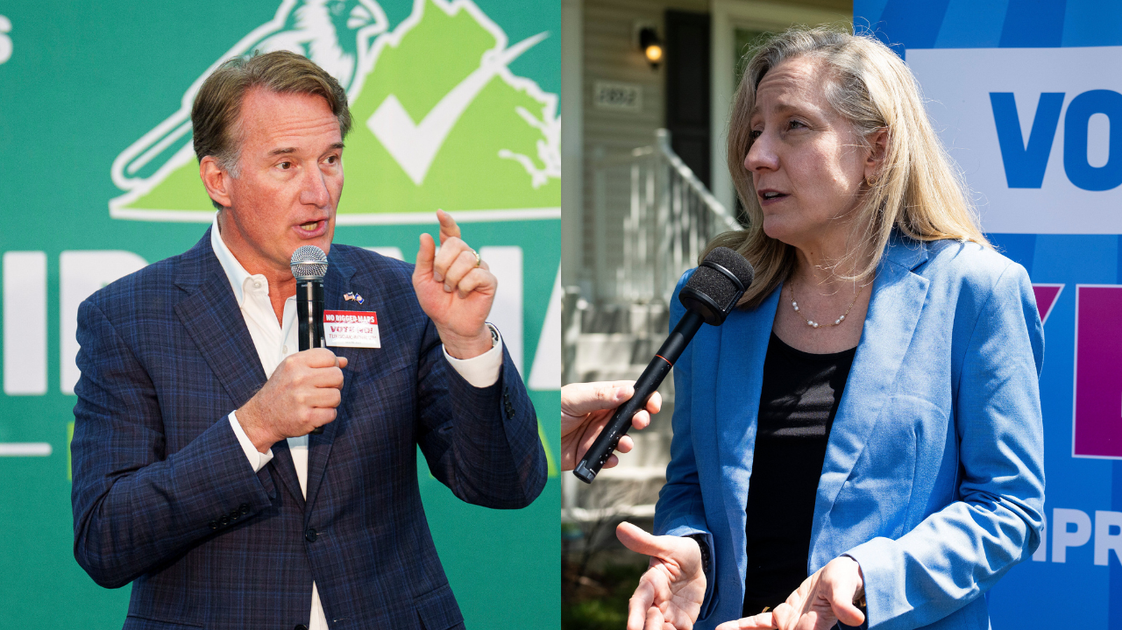
Cover image from huffpost.com, which was analyzed for this article
Virginians voted on a ballot measure to redraw congressional maps in a way that could give Democrats a significant advantage, potentially flipping multiple GOP-held seats ahead of midterms. Republicans decried it as a blatant partisan power grab countering Trump's gerrymandering efforts, while Democrats framed it as correcting unfair lines. The outcome may influence national House control and future redistricting battles.
PoliticalOS
Tuesday, April 21, 2026 — Politics
Tuesday's referendum offers Virginians a direct choice on whether the ends of offsetting Republican national redistricting gains justify temporarily suspending the independent commission they themselves created in 2020. Passage would likely deliver Democrats a decisive edge in four House races, tightening their path to majority control in 2026, yet courts could still intervene and Florida's pending moves could neutralize the math. The single clearest fact is that both parties have abandoned earlier commitments to nonpartisan map-drawing when it suits their immediate interests; voters must now decide which precedent matters more.
What outlets missed
Most coverage omitted the amendment's explicit conditional trigger: it authorizes redraws only between January 2025 and October 2030 if another state has redrawn maps for non-census, non-court reasons. This detail, available on the Virginia Department of Elections site, reframes the measure as reciprocal rather than unilateral. Outlets also underplayed the 2020 voter-approved constitutional amendment creating the bipartisan commission now being bypassed, and the precise ballot wording voters actually see, which emphasizes "restore fairness" and the temporary reversion to independent processes after 2030. Finally, few noted that dark money flowed to both sides, or that pending court rulings on compactness and process could nullify the map even after a yes vote, leaving the outcome uncertain regardless of Tuesday's tally.
Democrats Battle Republican Misinformation in Virginia Redistricting Vote
Virginians head to the polls Tuesday in a contest that will determine whether the state pushes back against a national Republican effort to rig congressional maps or allows GOP deception to derail a Democratic countermeasure. The referendum if approved would empower the Democrat-controlled legislature to adopt new congressional boundaries likely to yield a 10-to-1 Democratic advantage in the state's 11 House seats instead of the current 6-5 split.
The vote caps an extraordinary arms race triggered last year when President Donald Trump pressured Republican-led states including Texas to redraw maps mid-decade and net additional GOP seats ahead of the 2026 midterms. Democrats have responded in kind with ballot measures and legislative moves in states they control. Virginia represents one of the final and most consequential battlegrounds before November with national party leaders pouring resources into the fight.
Republicans have framed the referendum as an unprecedented power grab by Gov. Abigail Spanberger and Democrats in Richmond. Former Gov. Glenn Youngkin and former Attorney General Jason Miyares barnstormed the state warning that the new map would be immoral and eliminate Republican representation in large swaths of Virginia. Trump joined the fray with a tele-rally Monday night urging supporters to vote no and calling the effort a blatant partisan maneuver that would wipe out four of five GOP seats.
Yet Democratic leaders say the real story is a coordinated Republican campaign of misinformation funded by tens of millions in dark money. House Minority Leader Hakeem Jeffries singled out GOP advertisements that distort past comments by Spanberger and former President Barack Obama opposing gerrymandering. Both have explicitly endorsed the Virginia effort as a necessary response to Republican map-rigging elsewhere. Jeffries called the ads stone cold lies noting that Republicans cannot defend their own actions so they have resorted to deceiving voters in a purple state.
Public polling has shown the race tightening with the yes campaign shouldering the burden of explaining a complex constitutional change. Democrats argue the measure restores fairness after Trump and his allies upended long-standing norms against mid-decade redistricting. The proposed Virginia map would create eight safely Democratic districts two that lean Democratic and only one solidly Republican seat. Five of the blue districts would be anchored in Northern Virginia and extend into rural areas diluting conservative strongholds.
Critics from the right including outlets that back Trump have highlighted the lopsided outcome in a state where Kamala Harris won by roughly five percentage points in 2024. They note the current map already gives Democrats a slight edge with 55 percent of seats in a roughly evenly divided electorate. If the referendum passes Republicans warn it could serve as a dangerous precedent that encourages both parties to abandon independent redistricting commissions like the one Virginia established years ago.
Democrats counter that context matters. Texas Republicans drew maps that exaggerated their advantage in a state far redder than Virginia. Similar moves in North Carolina Ohio and Missouri have tilted the national playing field toward the GOP. The Virginia proposal represents a targeted response rather than unprovoked aggression. Obama has campaigned heavily for the yes vote emphasizing that allowing Republican map manipulation to go unchecked would undermine fair representation.
Spending on the contest has exceeded 90 million dollars with supporters of the referendum outspending opponents by a significant margin. Much of the money has come through opaque dark money groups that shield donors from scrutiny. Virginians for Fair Elections the main pro-referendum organization has raised more than 64 million dollars according to recent filings. Early voting has been robust nearly matching turnout from last year's gubernatorial election suggesting high engagement on both sides.
The outcome could prove pivotal for control of the House where Republicans cling to a narrow majority. A 10-1 map in Virginia would likely deliver Democrats a net gain of up to four seats making it easier for the party to retake the chamber flip key committee gavels and launch oversight of the Trump administration. A loss would represent an early setback for Spanberger who campaigned as a pragmatic moderate and now finds herself at the center of a raw partisan fight.
Republicans targeted by the new map include incumbents such as Rob Wittman whose district would be carved up and merged with heavily Democratic Northern Virginia suburbs. The Washington Examiner and other conservative voices have published lists of endangered GOP members framing the vote as an existential threat to Virginia's rural voice.
For all the national stakes the referendum has exposed deeper tensions about democracy and representation. Virginia has trended steadily blue over the past two decades transforming from a swing state into one that reliably backs Democrats in presidential races. Yet its congressional delegation had remained more balanced until now. Democrats insist the new lines simply reflect that demographic reality while protecting against further Republican encroachment elsewhere.
Whether voters see through what Democrats describe as a fog of Republican falsehoods will become clear after polls close at 7 p.m. The result will not only shape Virginia's voice in Washington but could set the tone for how aggressively both parties pursue map changes in future cycles. With Trump back in the White House and already signaling more aggressive moves the battle over fair maps is far from over. Virginia's decision Tuesday may signal whether voters prioritize countering perceived GOP power grabs or recoil at the sight of either party bending rules for partisan advantage.
You just read Progressive's take. Want to read what actually happened?
More in Politics
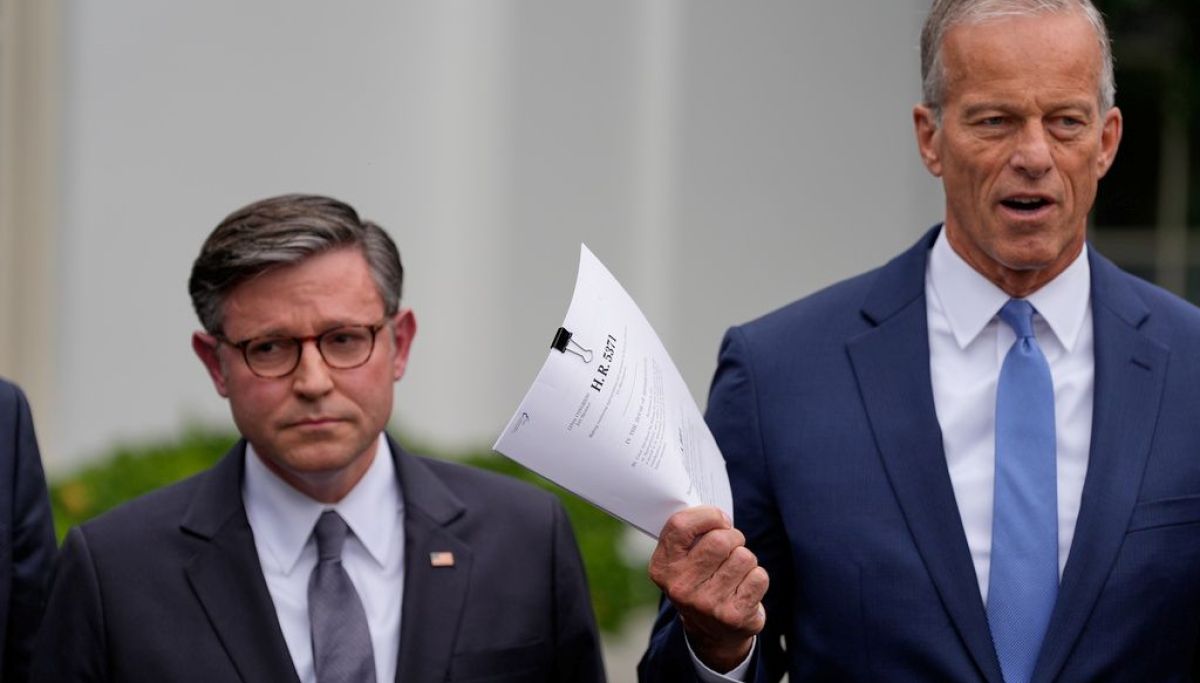
Trump at 32% Approval as Gas Prices Test GOP Midterm Hopes
NYT/Siena polling showed Trump's approval at historic lows around 32 percent with Democrats leading by double digits in key districts. Early voting has surged in battleground states.

Record Early Voting Hits Battlegrounds, Shifting Partisan Shares
AP analysis found hundreds of thousands more early ballots than in 2022 in states including Texas, Ohio, Kansas, Maine, and North Carolina, shifting partisan dynamics.
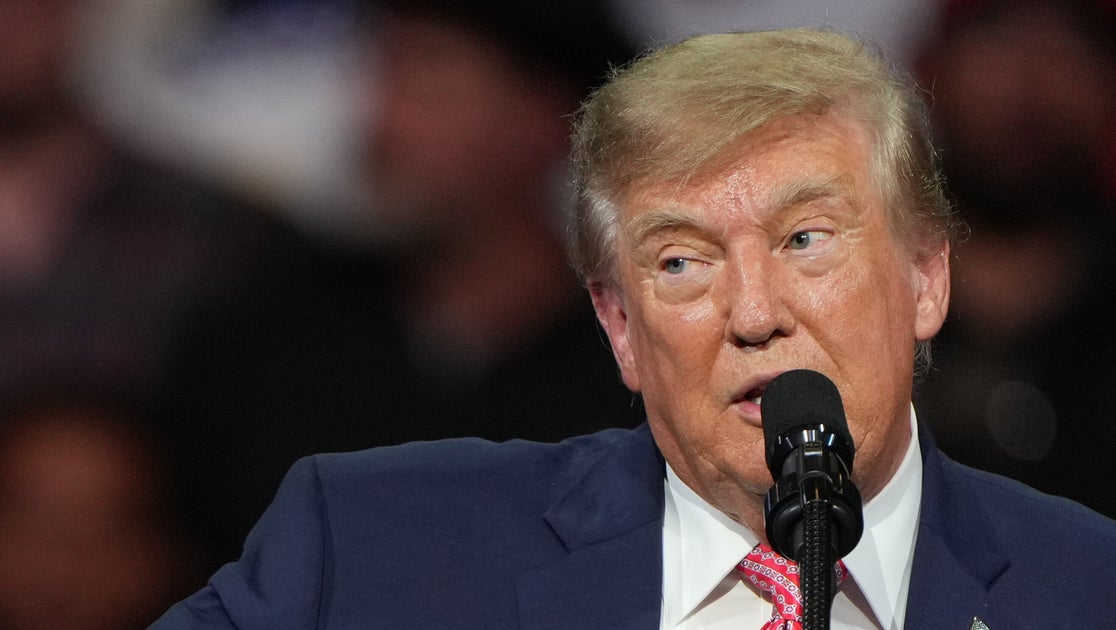
Trump Backs Marshall in Kansas Senate Race Tightened by Farm Costs
President Trump rallied in deep-red Kansas for GOP Sen. Roger Marshall in a competitive race, announcing an $8 billion farm fuel relief program amid high diesel prices. Democrats see an opening to end 94 years of GOP dominance in the state.

Trump Pauses Russia Sanctions Amid Ukraine Tensions and Missile Strikes
Trump waived sanctions on Russia and floated trilateral talks with Putin and Xi as part of ending the Ukraine war, while tensions rose with Zelenskyy over Starlink and arms. Bipartisan senators engaged Zelenskyy amid the shifts.
The Compass
You just read five takes on one story.
What's your take? Find your political shape in a few minutes.
Take the test