
Virginia Redistricting Vote Tests Response to National Map Wars Ahead of 2026 Midterms

Cover image from cbsnews.com, which was analyzed for this article
Virginians head to polls to decide whether to redraw congressional districts, with implications for 2026 midterms amid battles in states like VA, TX, and others. Key races include challenges to incumbents like Abigail Spanberger, as Republicans aim to close gaps and maintain control. Court investigations and state leader actions add to the high stakes.
PoliticalOS
Saturday, April 18, 2026 — Politics
Tuesday's referendum will test whether Virginia prioritizes countering other states' partisan map changes or upholds its own recent commitment to independent redistricting. The outcome could net Democrats several House seats in 2026, but only if courts uphold the new maps. Spanberger's declining approval and the heavy spending by both sides reflect how national polarization now reaches even procedural votes in a purple state.
What outlets missed
Most outlets underplayed the February 2026 Virginia Supreme Court ruling that cleared the referendum for the ballot after an initial lower-court block, a key legal validation that shaped its path. Nonpartisan seat-shift estimates from sources like the Cook Political Report and Ballotpedia, projecting potential net national changes in the range of 3-5 seats depending on final maps and litigation, received little attention beyond vague references to "up to four" Democratic gains. Historical mid-decade precedents, such as the 2003 Texas redraw that netted Republicans six seats after Democratic walkouts, were omitted entirely, depriving readers of context on whether the current cycle truly breaks new ground. Coverage also largely ignored the precise mechanics of Virginia's 2020 bipartisan commission law and how the temporary override complies with or tests its voter-approved provisions. Finally, detailed early-voting data by district from VPAP, showing turnout patterns that both parties claimed as positive signs, was mentioned only in passing if at all.
Virginia Democrats Advance Redistricting Despite Spanberger Campaign Pledges
Virginia Gov. Abigail Spanberger entered office in January after a decisive victory that many analysts viewed as validation for a center-left approach centered on affordability and pragmatic governance. The former CIA officer and congresswoman flipped 15 Republican-leaning cities and counties while winning by 15 points. Yet less than six months later her administration is confronting questions about whether those moderate credentials can survive contact with one-party control of state government.
On Tuesday Virginia voters will decide the fate of a referendum that would overhaul the state's congressional map. Legislation signed by Spanberger scraps the bipartisan redistricting commission established after years of litigation and sets the stage for new boundaries that independent analysts project could deliver as many as four additional Democratic seats in the U.S. House this fall. The move forms part of a rapid national response to mid-decade redistricting initiated by Texas Republicans last summer. California Democrats redrew their lines in reply. Virginia's Democratic majorities in the General Assembly then positioned the commonwealth as the next major player in what has become a sequential arms race.
Spanberger's involvement marks a clear departure from her campaign trail statements. During the 2025 race she repeatedly said she had "no plans" to join the cycle of partisan mapmaking. After taking office she not only signed the enabling legislation but recorded a television advertisement urging support for the referendum. The governor's office has described the effort as necessary to counter Republican advantages secured elsewhere and to reflect population shifts. Critics counter that the speed and scope suggest an opportunistic bid to lock in structural gains ahead of the 2026 midterms rather than a measured response to demographic change.
The redistricting push arrives alongside another institutional shift. Spanberger recently signed House Bill 965, making Virginia the latest participant in the National Popular Vote Interstate Compact. The agreement would commit the state's 13 electoral votes to the winner of the national popular vote once enough jurisdictions totaling 270 electoral votes join. Virginia's entry brings the compact to 222 votes, still 48 short of activation. Supporters frame the compact as a straightforward expansion of democratic will. Opponents note that it would render individual state outcomes irrelevant once triggered, effectively rewriting the Electoral College through coordinated state action rather than constitutional amendment. Had the compact been in force for the 2024 election President Trump would have received the electoral votes of every participating state on top of his popular-vote win that year, though the current target list focuses heavily on remaining battlegrounds such as Pennsylvania, Michigan and Wisconsin.
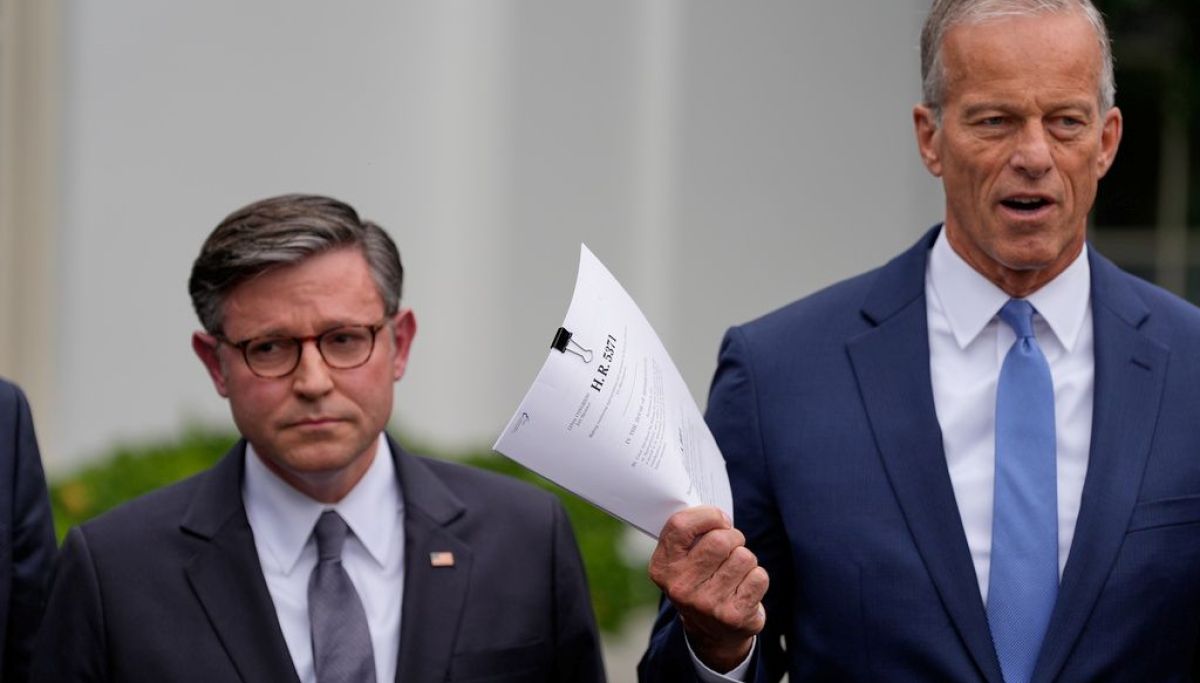
Republican leaders have mobilized intensely in the referendum's final days. Despite being outspent by a three-to-one margin early in the campaign, the opposition has narrowed the gap through heavy involvement from House Speaker Mike Johnson, former Gov. Glenn Youngkin and multiple GOP members of Congress. Recent public polling shows support for the new map holding only a single-digit lead, a striking compression from Democrats' broad successes in last year's statewide races. GOP lawmakers such as Reps. Jen Kiggans and John McGuire have held repeated rallies arguing that the referendum represents an elite-driven effort to insulate incumbents from voter accountability. "This is about who draws the lines that determine representation for the next decade," Kiggans said at a weekend event.
The contest highlights broader tensions in Virginia politics. Spanberger's 2025 campaign emphasized crossing party lines and avoiding the most strident national fights. Governing with comfortable Democratic majorities in both chambers of the General Assembly has required different calculations. The speed with which the redistricting bill moved from introduction to her desk, combined with the National Popular Vote legislation, has prompted even some centrist Democrats to express private concern that the party risks repeating the very gerrymandering practices it once condemned when Republicans held power.
State Sen. Louise Lucas and other Democratic legislative figures have defended the process as lawful and responsive to the mandate delivered in November. Yet the referendum itself hands final say to voters, creating an unusual situation in which a Democratic governor and legislature are asking the electorate to approve changes that would primarily benefit their own side. Turnout and the precise wording on the ballot could prove decisive. Early voting has been steady but not overwhelming.
Further complicating the picture is the national context described by outlets across the spectrum. NPR reporting noted that while President Trump and prominent governors such as Texas's Greg Abbott and California's Gavin Newsom receive most attention the actual outcomes often rest with less prominent state legislators, attorneys general and even local judges in states like Utah and Missouri. Virginia's vote on Tuesday fits this pattern. The result will not settle the larger redistricting battle but could tilt the House balance by a meaningful margin in a narrowly divided Congress.
For a governor elected on promises of moderation the weeks ahead carry obvious risks. Should the referendum pass and new maps produce the projected Democratic gains Spanberger will face accusations that her administration accelerated the erosion of institutional guardrails. Should it fail she will have expended political capital on an initiative her own campaign once disavowed. Either outcome illustrates the perennial tension Sowell often described in his writings on incentives: when political actors control the rules they face powerful temptations to adjust those rules in their favor even at the expense of earlier commitments to restraint.
Voters in the commonwealth will render their judgment within days. The outcome will reveal whether Virginia continues its recent trend toward Democratic dominance or whether skepticism of partisan institutional engineering still carries weight in a state long known for independent streaks.
You just read Conservative's take. Want to read what actually happened?
More in Politics
Trump at 32% Approval as Gas Prices Test GOP Midterm Hopes
NYT/Siena polling showed Trump's approval at historic lows around 32 percent with Democrats leading by double digits in key districts. Early voting has surged in battleground states.

Record Early Voting Hits Battlegrounds, Shifting Partisan Shares
AP analysis found hundreds of thousands more early ballots than in 2022 in states including Texas, Ohio, Kansas, Maine, and North Carolina, shifting partisan dynamics.
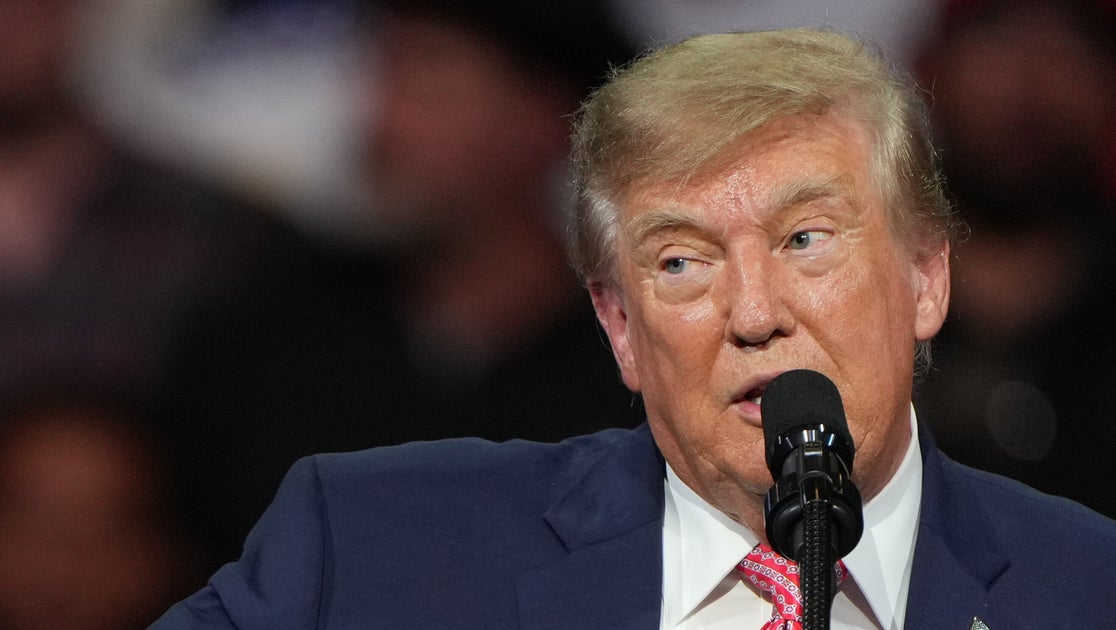
Trump Backs Marshall in Kansas Senate Race Tightened by Farm Costs
President Trump rallied in deep-red Kansas for GOP Sen. Roger Marshall in a competitive race, announcing an $8 billion farm fuel relief program amid high diesel prices. Democrats see an opening to end 94 years of GOP dominance in the state.

Trump Pauses Russia Sanctions Amid Ukraine Tensions and Missile Strikes
Trump waived sanctions on Russia and floated trilateral talks with Putin and Xi as part of ending the Ukraine war, while tensions rose with Zelenskyy over Starlink and arms. Bipartisan senators engaged Zelenskyy amid the shifts.
The Compass
You just read five takes on one story.
What's your take? Find your political shape in a few minutes.
Take the test