
Virginia Redistricting Vote Tests Response to National Map Wars Ahead of 2026 Midterms

Cover image from cbsnews.com, which was analyzed for this article
Virginians head to polls to decide whether to redraw congressional districts, with implications for 2026 midterms amid battles in states like VA, TX, and others. Key races include challenges to incumbents like Abigail Spanberger, as Republicans aim to close gaps and maintain control. Court investigations and state leader actions add to the high stakes.
PoliticalOS
Saturday, April 18, 2026 — Politics
Tuesday's referendum will test whether Virginia prioritizes countering other states' partisan map changes or upholds its own recent commitment to independent redistricting. The outcome could net Democrats several House seats in 2026, but only if courts uphold the new maps. Spanberger's declining approval and the heavy spending by both sides reflect how national polarization now reaches even procedural votes in a purple state.
What outlets missed
Most outlets underplayed the February 2026 Virginia Supreme Court ruling that cleared the referendum for the ballot after an initial lower-court block, a key legal validation that shaped its path. Nonpartisan seat-shift estimates from sources like the Cook Political Report and Ballotpedia, projecting potential net national changes in the range of 3-5 seats depending on final maps and litigation, received little attention beyond vague references to "up to four" Democratic gains. Historical mid-decade precedents, such as the 2003 Texas redraw that netted Republicans six seats after Democratic walkouts, were omitted entirely, depriving readers of context on whether the current cycle truly breaks new ground. Coverage also largely ignored the precise mechanics of Virginia's 2020 bipartisan commission law and how the temporary override complies with or tests its voter-approved provisions. Finally, detailed early-voting data by district from VPAP, showing turnout patterns that both parties claimed as positive signs, was mentioned only in passing if at all.
Virginia Redistricting Vote Exposes Spanberger's Tightrope Between Moderation and Power
Governor Abigail Spanberger entered office five months ago with the kind of political tailwind that launches national speculation. The former CIA officer and congresswoman won by 15 points in November by campaigning relentlessly on affordability and pocketbook issues, flipping 15 Republican-leaning cities and counties in the process. Analysts cast her victory as proof that a center-left Democrat who avoided cultural flashpoints could build a durable coalition. Yet the first test of her administration has arrived sooner and sharper than expected, forcing a former critic of partisan map-drawing into the very arms race she once disavowed.
On Tuesday, Virginia voters will decide on a referendum that would scrap the state's bipartisan redistricting commission and hand the General Assembly's Democratic majorities effective control over new congressional maps. The move could net Democrats as many as four additional House seats in November's midterms. Spanberger signed the enabling legislation and even cut a television advertisement supporting the referendum, steps that mark a clear departure from her campaign pledge that she had "no plans" to redraw Virginia's congressional map or engage in retaliatory gerrymandering.
The shift did not occur in a vacuum. It represents the latest escalation in a mid-decade redistricting scramble that began when Texas Republicans, at the urging of President Trump, redrew their state's maps last summer to bolster GOP advantages. California Democrats responded with their own aggressive redraw. Other states joined the fray. Virginia, with its newly empowered Democratic legislature, positioned itself as the final major counterpunch. The National Public Radio analysis of the broader redistricting landscape underscores how decisions made by relatively obscure state legislators and judges in places like Utah, Maryland, and Missouri may ultimately prove as consequential as anything happening in Washington.
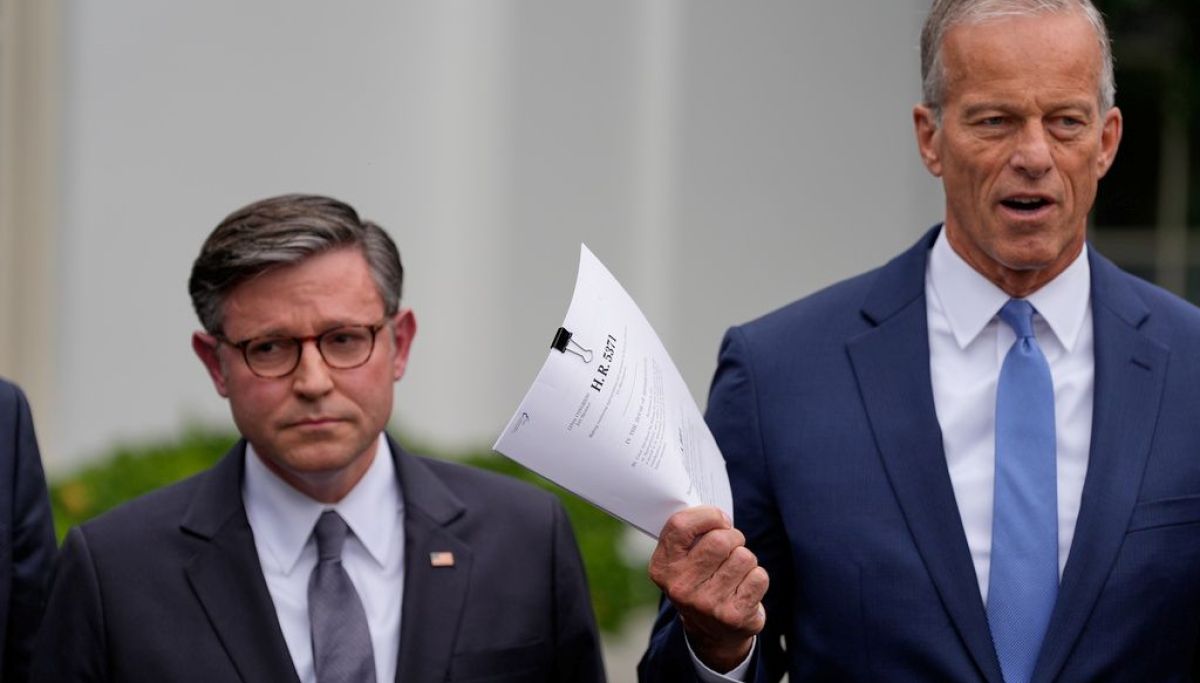
Spanberger's allies argue the move restores balance after years of Republican structural advantages at the state level. Critics, including a suddenly energized Republican opposition, call it naked power politics that contradicts the moderate brand she spent years cultivating. Polling in the race has tightened dramatically. While Democrats maintain a significant financial edge, their advantage has narrowed in recent weeks, and recent surveys show support for the new maps leading by only single digits. Republicans have flooded the closing days with appearances by House Speaker Mike Johnson, former Governor Glenn Youngkin, and vulnerable GOP members of Congress. They portray the referendum as a test of whether Virginia will continue its recent shift toward Democratic dominance or reassert some institutional guardrails.
The redistricting fight is not the only institutional norm under pressure in Richmond. Spanberger also signed legislation this month bringing Virginia into the National Popular Vote Interstate Compact. The agreement, which now includes states representing 222 electoral votes, would commit Virginia's 13 electors to the winner of the national popular vote once the compact reaches the 270-vote threshold. Democrats framing the move as a logical correction to a system that has twice in recent memory produced presidents who lost the popular vote. Republicans counter that it effectively nullifies the compact's own requirement that states respect their voters' preferences until the agreement is fully activated.
The convergence of these two issues highlights a deeper governing tension. Spanberger's appeal always rested on her insistence that she could work across lines in a polarized era. Her gubernatorial campaign deliberately emphasized pragmatic solutions over ideological purity. Yet controlling both the governorship and the legislature has presented the inverse problem that Democrats faced in Washington during the Obama years and Republicans encountered under Trump: when your side holds the levers, the incentives to play hardball grow stronger even as the cost to your image as a moderate rises.
This dynamic is hardly unique to Virginia. The NPR reporting on the redistricting race correctly notes that the final map of the next Congress may depend as much on state senators in Maryland or a state court judge in Utah as on any national figure. The arms race quality of contemporary map-drawing has accelerated the erosion of norms that once insulated redistricting from raw partisan calculation. Virginia's bipartisan commission, created after previous rounds of gerrymandering, was meant to be a model for removing self-interest from the process. Its potential dismantling illustrates how quickly such reforms can crumble when one party sees an opening.
Republican candidates are already positioning themselves to exploit the opening. In the 7th Congressional District, entrepreneur Philip Harding, a Harvard-educated father of three who centers his campaign on family policy, business growth, and fiscal restraint, represents one strand of the GOP counteroffensive. The broader Republican message in the referendum campaign has been simpler: Democrats who promised moderation are revealing their true intentions once power is secured.
Spanberger's defenders note that she inherited a legislature already moving on these priorities and that her signature on the bills reflects political reality rather than ideological conversion. They point to her continued focus on affordability measures as evidence that her governing agenda remains centered on the issues that won her a landslide. Yet the optics are challenging. A governor elected in part by suburban voters skeptical of both parties' extremes now finds herself at the center of two high-stakes procedural fights that lend themselves to easy attack lines about power grabs.
The Tuesday referendum will not resolve these tensions. Even if the measure passes, legal challenges and implementation fights lie ahead. A narrow defeat would represent a significant rebuke to Democratic overreach in a state that has trended blue but retains a vigorous Republican minority. Either outcome will shape how Spanberger navigates the remainder of her term and whether the "moderate Democrat" label that once seemed an asset becomes a liability in a national environment that increasingly rewards clarity over conciliation.
What feels most striking is the speed with which institutional questions have eclipsed the policy priorities that dominated Spanberger's campaign. Redistricting and Electoral College mechanics are not the issues voters cited when they handed her a decisive mandate. Yet they may determine the contours of American politics for the next decade. In that sense, Virginia's current debate is less about one governor's ideological consistency than about a political system in which the rules themselves have become the most fiercely contested prizes. The coming days will test not only Spanberger's political agility but the durability of the centrist governing approach she once seemed poised to champion.
You just read Liberal's take. Want to read what actually happened?
More in Politics
Trump at 32% Approval as Gas Prices Test GOP Midterm Hopes
NYT/Siena polling showed Trump's approval at historic lows around 32 percent with Democrats leading by double digits in key districts. Early voting has surged in battleground states.

Record Early Voting Hits Battlegrounds, Shifting Partisan Shares
AP analysis found hundreds of thousands more early ballots than in 2022 in states including Texas, Ohio, Kansas, Maine, and North Carolina, shifting partisan dynamics.
Trump Backs Marshall in Kansas Senate Race Tightened by Farm Costs
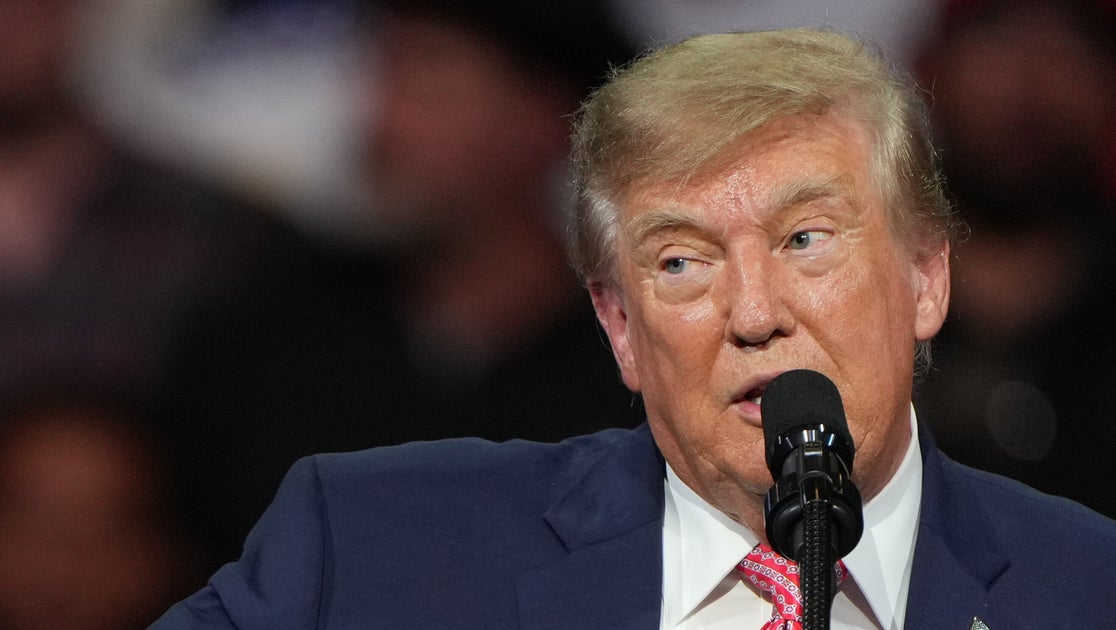
President Trump rallied in deep-red Kansas for GOP Sen. Roger Marshall in a competitive race, announcing an $8 billion farm fuel relief program amid high diesel prices. Democrats see an opening to end 94 years of GOP dominance in the state.

Trump Pauses Russia Sanctions Amid Ukraine Tensions and Missile Strikes
Trump waived sanctions on Russia and floated trilateral talks with Putin and Xi as part of ending the Ukraine war, while tensions rose with Zelenskyy over Starlink and arms. Bipartisan senators engaged Zelenskyy amid the shifts.
The Compass
You just read five takes on one story.
What's your take? Find your political shape in a few minutes.
Take the test