
Virginia Redistricting Vote Tests Response to National Map Wars Ahead of 2026 Midterms

Cover image from cbsnews.com, which was analyzed for this article
Virginians head to polls to decide whether to redraw congressional districts, with implications for 2026 midterms amid battles in states like VA, TX, and others. Key races include challenges to incumbents like Abigail Spanberger, as Republicans aim to close gaps and maintain control. Court investigations and state leader actions add to the high stakes.
PoliticalOS
Saturday, April 18, 2026 — Politics
Tuesday's referendum will test whether Virginia prioritizes countering other states' partisan map changes or upholds its own recent commitment to independent redistricting. The outcome could net Democrats several House seats in 2026, but only if courts uphold the new maps. Spanberger's declining approval and the heavy spending by both sides reflect how national polarization now reaches even procedural votes in a purple state.
What outlets missed
Most outlets underplayed the February 2026 Virginia Supreme Court ruling that cleared the referendum for the ballot after an initial lower-court block, a key legal validation that shaped its path. Nonpartisan seat-shift estimates from sources like the Cook Political Report and Ballotpedia, projecting potential net national changes in the range of 3-5 seats depending on final maps and litigation, received little attention beyond vague references to "up to four" Democratic gains. Historical mid-decade precedents, such as the 2003 Texas redraw that netted Republicans six seats after Democratic walkouts, were omitted entirely, depriving readers of context on whether the current cycle truly breaks new ground. Coverage also largely ignored the precise mechanics of Virginia's 2020 bipartisan commission law and how the temporary override complies with or tests its voter-approved provisions. Finally, detailed early-voting data by district from VPAP, showing turnout patterns that both parties claimed as positive signs, was mentioned only in passing if at all.
Virginia Democrats Counter Republican Gerrymandering with High Stakes Redistricting Vote
As Virginia voters prepare to decide the fate of a congressional redistricting referendum on Tuesday, Gov. Abigail Spanberger finds herself at the center of a national battle over political maps that Republicans initiated and Democrats are now determined to answer. The former CIA officer and congresswoman, elected in November on a platform of moderation and affordability that flipped 15 Republican strongholds, has signed legislation clearing the way for a new map that could deliver Democrats as many as four additional House seats in the fall midterms. The move marks a clear departure from her campaign pledge of having “no plans” to join the gerrymandering fray, yet it reflects the harsh realities of governing in an era of relentless partisan warfare.
Spanberger’s decision cannot be viewed in isolation. It is a direct response to an unprecedented mid-decade redistricting offensive launched by President Donald Trump and Republican state lawmakers. After Texas redrew its maps last summer to bolster GOP advantages, a cascade of states followed. California Democrats moved aggressively to protect and expand their own leverage. What began as a Trump-driven power play has now engulfed Virginia, where Democratic majorities in the General Assembly passed legislation to replace the state’s bipartisan redistricting commission with a process far more favorable to the party that controls the levers of power. Spanberger not only signed the bill but cut a television advertisement supporting the April 21 referendum.
This arms race exposes the fragility of institutional guardrails when one party decides the rules no longer apply. Republicans who spent years decrying Democratic maps in other states have shown no hesitation in weaponizing the process themselves once given the opportunity by Trump. The result is a cynical race to the bottom that threatens to further erode public confidence in fair elections. Virginia’s referendum, if approved, would upend the independent commission established after years of reform efforts and hand map-drawing authority to legislators who can, and likely will, draw districts to maximize Democratic performance.
Spanberger’s actions extend beyond redistricting. On the same day headlines focused on the referendum, she signed HB 965, formally entering Virginia into the National Popular Vote Interstate Compact. The agreement, which awards a state’s electoral votes to the winner of the national popular vote once enough jurisdictions representing 270 electoral votes sign on, now stands at 222 votes with Virginia’s 13. The move aligns Virginia with 18 other Democratic-led states and the District of Columbia in what is effectively an effort to neutralize the structural advantages the Electoral College gives to smaller, rural states that lean Republican. Critics on the right have predictably decried it as an end run around the Constitution, yet they offer no defense for a system that has twice in recent memory allowed the popular vote loser to claim the presidency.
Republican operatives in Virginia are pouring resources into defeating the referendum, narrowing what was once a comfortable Democratic lead in public polling. With Democrats holding a three-to-one advantage in advertising spending that has shrunk in recent weeks, GOP leaders including House Speaker Mike Johnson and former Gov. Glenn Youngkin have barnstormed the state warning of Democratic power grabs. Reps. Jen Kiggans and John McGuire have held rallies framing the referendum as a blatant attempt to rig the November map. Their efforts reflect genuine concern: Virginia’s delegation could shift dramatically, further complicating Republican efforts to hold the House.
The broader redistricting landscape involves far more than Virginia’s governor. State legislators and judges in Maryland, Missouri, Utah, and Indiana are quietly shaping outcomes that could prove as consequential as anything decided in Washington. NPR’s reporting highlights how figures like Virginia state Sen. Louise Lucas and Texas House Speaker Dustin Burrows wield influence rarely scrutinized by the national press. This diffusion of power matters. While Trump may have lit the match, it is these officials who are determining how brightly the fire burns.
Spanberger’s challenge is navigating these currents without fully abandoning the centrist brand that helped her win. Her 15-point victory was celebrated as proof that pragmatic Democrats could thrive even in polarized times. Yet the first months of her governorship demonstrate the tension inherent in that positioning. When your party controls the legislature and the opposing party has already discarded norms, moderation can look like unilateral disarmament. The governor’s supporters argue she is simply meeting the moment, using every legal tool available to prevent further Republican entrenchment after years of minority rule enabled by gerrymandering, the Electoral College, and the Senate filibuster.
Opponents, particularly the Republican entrepreneurs and candidates now flooding Virginia’s 7th District and other competitive seats, paint her as just another Democrat who talked moderation only to embrace raw power politics. Philip Harding, a Harvard-educated businessman and faith-driven conservative challenging for the 7th, represents the type of candidate Republicans hope can capitalize on any backlash. His emphasis on families, business, and debt reduction echoes the traditional GOP pitch, but the map itself may soon make such challenges steeper.
The coming days will test whether Virginia voters, fresh off a Democratic sweep of statewide offices, are willing to endorse a process that could lock in partisan advantage for the next decade. Polls show a tightening race, with the “no” campaign gaining ground by warning of hypocrisy and cynicism. Yet the larger context remains: this referendum exists because Republicans under Trump chose escalation over restraint. Democrats are responding in kind. Whether that cycle produces fairer representation or simply more sophisticated map manipulation will be decided not just in Virginia but in courtrooms and statehouses across the country.
For now, Spanberger stands as both symbol and actor in a drama larger than any single election. The former moderate congresswoman has placed her bet on the necessity of fighting fire with fire. Tuesday’s vote will reveal whether Virginia’s electorate agrees that the moment demands such measures, or whether the center she once embodied still holds appeal in an environment defined by partisan trench warfare.
You just read Progressive's take. Want to read what actually happened?
More in Politics
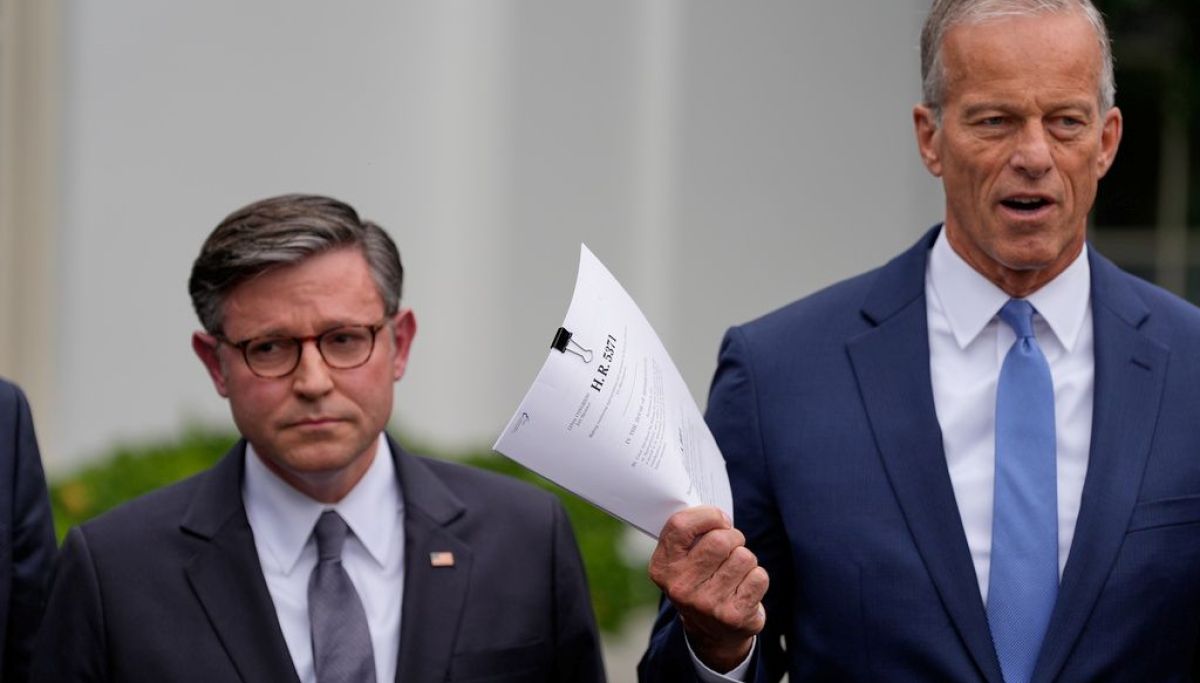
Trump at 32% Approval as Gas Prices Test GOP Midterm Hopes
NYT/Siena polling showed Trump's approval at historic lows around 32 percent with Democrats leading by double digits in key districts. Early voting has surged in battleground states.

Record Early Voting Hits Battlegrounds, Shifting Partisan Shares
AP analysis found hundreds of thousands more early ballots than in 2022 in states including Texas, Ohio, Kansas, Maine, and North Carolina, shifting partisan dynamics.
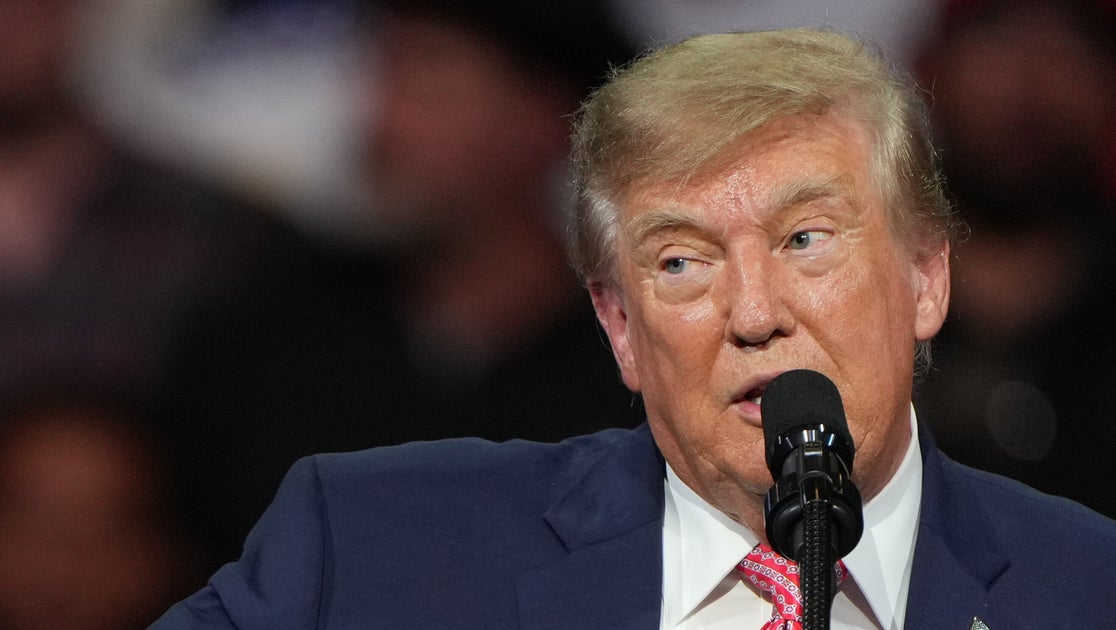
Trump Backs Marshall in Kansas Senate Race Tightened by Farm Costs
President Trump rallied in deep-red Kansas for GOP Sen. Roger Marshall in a competitive race, announcing an $8 billion farm fuel relief program amid high diesel prices. Democrats see an opening to end 94 years of GOP dominance in the state.

Trump Pauses Russia Sanctions Amid Ukraine Tensions and Missile Strikes
Trump waived sanctions on Russia and floated trilateral talks with Putin and Xi as part of ending the Ukraine war, while tensions rose with Zelenskyy over Starlink and arms. Bipartisan senators engaged Zelenskyy amid the shifts.
The Compass
You just read five takes on one story.
What's your take? Find your political shape in a few minutes.
Take the test