
Virginia Redistricting Vote Ignites Legal Fight as Florida GOP Pursues Maps
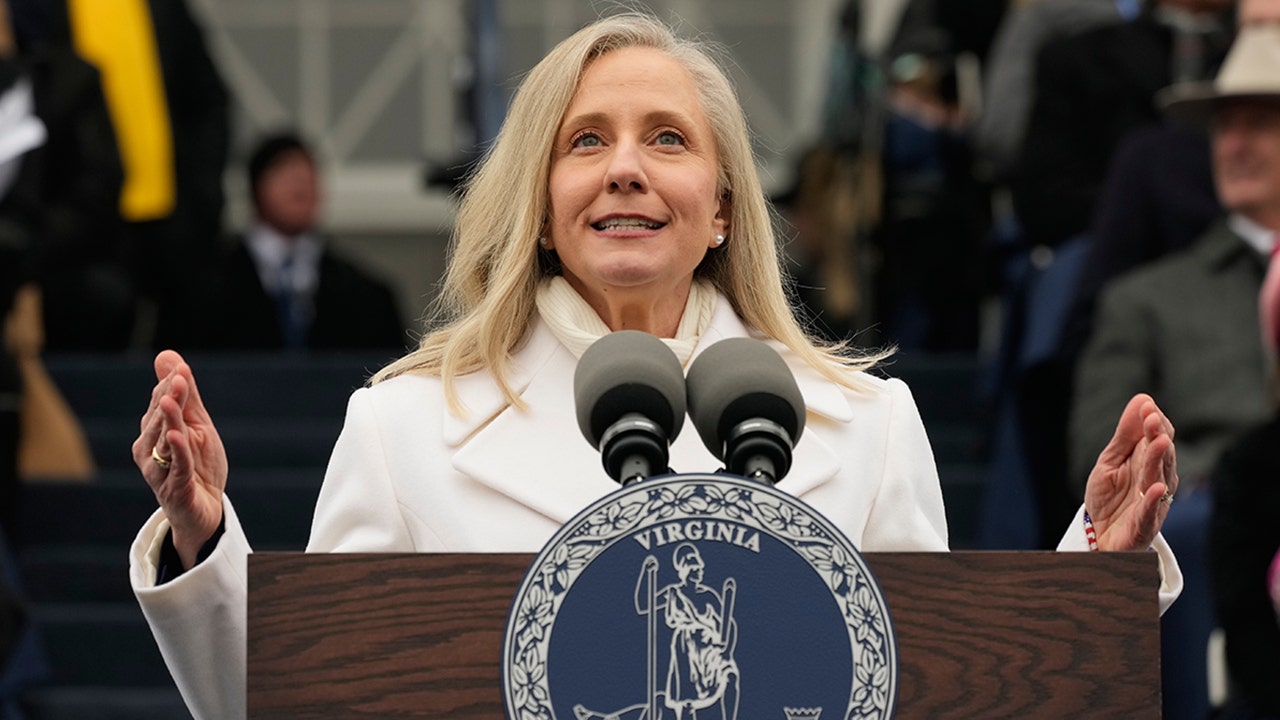
Cover image from foxnews.com, which was analyzed for this article
Virginia's map battles highlight sharp partisan shifts, with Democrats gaining edge against GOP redraws and dishonest ballot language. Legal fights loom as DeSantis faces backfire warnings on gerrymander plans. Midterm implications intensify state-level power struggles.
PoliticalOS
Friday, April 24, 2026 — Politics
Both parties are engaged in tit-for-tat mid-decade redistricting aimed at securing House advantages ahead of the midterms, with Virginia's narrow voter approval now stalled in court and Florida's governor advancing maps under multiple legal shields. The central unresolved question is whether state supreme courts will prioritize process, voter will or constitutional anti-gerrymandering provisions. Readers should understand that these maneuvers carry real risks of backfire in a polarized electorate, and that final maps may not be settled until after candidate filing deadlines or further litigation.
What outlets missed
Most outlets underplayed the reciprocal trigger written into Virginia's amendment, which authorized mid-decade changes only if another state conducted non-decennial redistricting. This condition directly responded to verified GOP-led map shifts in Texas and Florida that added Republican seats, according to NCSL and Ballotpedia records. Coverage also gave short shrift to Virginia's own history of Republican-drawn maps after 2001 that produced a 64-34 state House majority despite Democrats winning the popular vote, later struck down in federal court as unconstitutional gerrymanders. In Florida reporting, population malapportionment data showing districts deviating by thousands of residents after rapid growth was often mentioned only late or skeptically rather than as a documented legal justification alongside the pending Supreme Court case on Voting Rights Act compliance. Finally, the narrowness of Virginia's vote and the fact that the Tazewell ruling is under immediate appeal with a prior Supreme Court stay were sometimes framed as conclusive rather than the opening move in what all parties expect will be months of litigation.
Virginia Redistricting Measure Blocked as State Supreme Court Prepares to Weigh Partisan Overhaul
A Virginia circuit court judge blocked certification of a narrowly approved ballot measure this week, setting up a high-stakes appeal before the state Supreme Court that could determine whether Democrats secure a lasting congressional advantage in the Old Dominion. The ruling underscores how thoroughly Virginia has shed its reputation for pragmatic bipartisanship and become another front in the raw contest for institutional power that now defines American politics.
The measure sought to amend the state constitution to let the Democrat-controlled General Assembly draw new congressional maps outside the normal decennial schedule. Republicans described the effort as an unprecedented mid-decade gerrymander designed to convert the state’s current 6-5 Democratic edge in the House delegation into a potential 10-1 advantage. Del. Terry Kilgore, the veteran Republican floor leader, said the process violated norms that once allowed Virginia politicians to disagree without discarding basic institutional guardrails.
“This is Virginia,” Kilgore told reporters. “We normally get along, normally go through things the right way. I’ve been here over 30 years. I’ve never seen anything like this so partisan since I’ve been here, and it was a very sad day for the Commonwealth.”
At issue is the language voters actually saw on the ballot. The question asked whether the constitution should be changed to let lawmakers “temporarily adopt new congressional districts to restore fairness in the upcoming elections” while protecting other redistricting criteria. Opponents called the wording a deliberate exercise in misdirection. For years, prominent Virginia Democrats including Gov. Abigail Spanberger had denounced gerrymandering as corrosive to self-government. Spanberger once joined Barack Obama in declaring the practice “detrimental to our democracy.” Yet the same forces now framed an aggressive map rewrite as a fairness restoration project.
The episode fits a broader pattern in which partisan actors on both sides treat redistricting less as a neutral exercise in equal representation than as an extension of campaign strategy. Virginia’s political transformation supplied the opportunity. Once a reliable swing state that produced moderate leaders of both parties, the commonwealth has shifted steadily leftward in its suburban corridors. That demographic change handed Democrats unified control of state government. They moved quickly to lock in the gains before another census.
The Virginia drama immediately rippled outward. In Florida, Gov. Ron DeSantis responded by calling a special legislative session for Tuesday to advance new congressional maps that would expand Republican strength. Florida’s constitution expressly forbids drawing districts with the intent to favor one party. DeSantis’s team has therefore constructed a three-layered legal strategy to insulate the maps from quick reversal.
First, officials hope the Purcell Principle, a 2006 Supreme Court doctrine discouraging last-minute election changes, will deter judges from intervening once early voting approaches. Second, by having the governor’s office rather than legislators draft the lines, DeSantis’s lawyers plan to invoke executive privilege and the Apex Doctrine to slow discovery and depositions. Third, the rushed timeline aims to push any trial past the point where courts believe they can order new maps without sowing confusion. Some Republican strategists have quietly warned that the maneuver risks overreach; if courts ultimately strike the maps, the party could end up losing seats it might have kept under more modest revisions.
The larger backdrop is pressure from President Trump on Republican-led states to maximize GOP-leaning districts after Democrats’ success in Virginia. Control of the House in the next Congress could hinge on a few dozen seats shaped by these maneuvers. Both sides understand the stakes. When one party gains the levers of mapmaking, the temptation to use them has proven difficult to resist, regardless of earlier rhetoric about democracy.
Legal observers note that proving illicit “intent” is notoriously hard, which explains why ballot language and procedural timing matter so much. Philip K. Dick’s observation that controlling words controls reality finds fresh illustration here. Voters rarely read the fine print of constitutional amendments. When the question itself frames a power grab as a fairness initiative, the outcome is almost foreordained.
Virginia’s Supreme Court, which holds a slight conservative majority, now faces intense pressure to resolve the matter before candidate filing deadlines. A decision striking down the measure would likely restore the existing map and reinforce the principle that mid-decade rewrites require extraordinary justification. Upholding it would accelerate the arms race in which states treat redistricting as just another partisan tool.
The episode reveals more than tactical cynicism. It shows how the erosion of shared norms accelerates once one side concludes the other has abandoned them. Virginia once prided itself on a distinctive political culture that valued restraint and continuity. That culture has yielded to the sharper edges of national polarization. Whether the state’s highest court can restore some procedural guardrails will influence not only the next election cycle but the public’s fading confidence that the rules still apply equally to both teams. The legal fight is technical; the stakes are foundational.
You just read Conservative's take. Want to read what actually happened?
More in Politics

Trump Defends Ramaswamy Ad Using Estranged Mother in Ohio Race
President Trump defended a GOP nominee's ad featuring a Democratic opponent's estranged mother, calling it powerful, while drawing criticism from some Republicans including Ohio Gov. Mike DeWine. The ad has sparked internal GOP tensions ahead of midterms.

Federal Raid Targets Omar Amid Unresolved Name and Marriage Allegations
Agents searched Rep. Ilhan Omar's DC residence over immigration fraud allegations; she called it bizarre. Reports and commentary questioned her birth name and past marriage details.

Supreme Court Upholds New Hampshire Student ID Voting Ban
The Supreme Court upheld New Hampshire's ban on student IDs as valid voter identification just before midterms, affecting a tight Senate race.
Early Voting Hits 21 Million as Most Trust Midterm Accuracy
Millions have already voted early as parties make final appeals amid $1.4 billion in ad spending; polls show confidence in election accuracy.
The Compass
You just read five takes on one story.
What's your take? Find your political shape in a few minutes.
Take the test