
Virginia Redistricting Vote Ignites Legal Fight as Florida GOP Pursues Maps
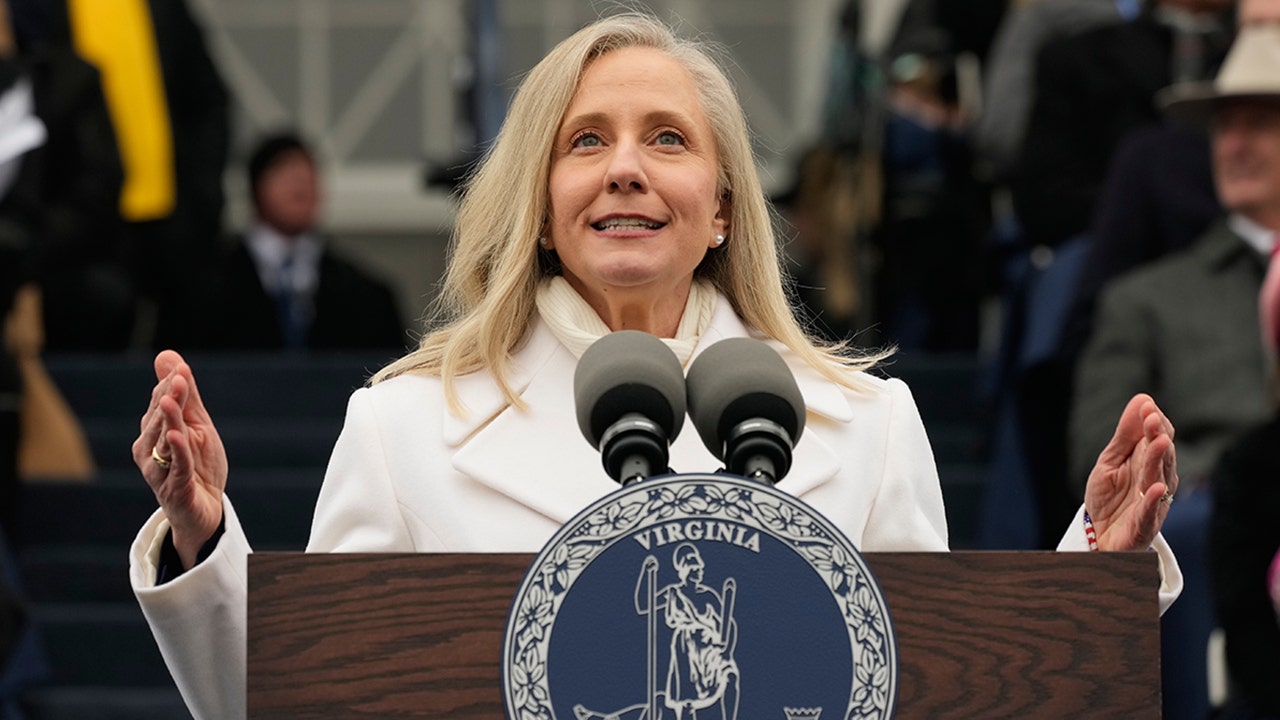
Cover image from foxnews.com, which was analyzed for this article
Virginia's map battles highlight sharp partisan shifts, with Democrats gaining edge against GOP redraws and dishonest ballot language. Legal fights loom as DeSantis faces backfire warnings on gerrymander plans. Midterm implications intensify state-level power struggles.
PoliticalOS
Friday, April 24, 2026 — Politics
Both parties are engaged in tit-for-tat mid-decade redistricting aimed at securing House advantages ahead of the midterms, with Virginia's narrow voter approval now stalled in court and Florida's governor advancing maps under multiple legal shields. The central unresolved question is whether state supreme courts will prioritize process, voter will or constitutional anti-gerrymandering provisions. Readers should understand that these maneuvers carry real risks of backfire in a polarized electorate, and that final maps may not be settled until after candidate filing deadlines or further litigation.
What outlets missed
Most outlets underplayed the reciprocal trigger written into Virginia's amendment, which authorized mid-decade changes only if another state conducted non-decennial redistricting. This condition directly responded to verified GOP-led map shifts in Texas and Florida that added Republican seats, according to NCSL and Ballotpedia records. Coverage also gave short shrift to Virginia's own history of Republican-drawn maps after 2001 that produced a 64-34 state House majority despite Democrats winning the popular vote, later struck down in federal court as unconstitutional gerrymanders. In Florida reporting, population malapportionment data showing districts deviating by thousands of residents after rapid growth was often mentioned only late or skeptically rather than as a documented legal justification alongside the pending Supreme Court case on Voting Rights Act compliance. Finally, the narrowness of Virginia's vote and the fact that the Tazewell ruling is under immediate appeal with a prior Supreme Court stay were sometimes framed as conclusive rather than the opening move in what all parties expect will be months of litigation.
Virginia’s Redistricting Clash Reveals Erosion of Electoral Norms
Virginia’s accelerating political polarization came into sharp focus this week as a circuit court judge blocked certification of a Democratic-backed ballot measure that would have rewritten the state’s congressional map to heavily favor one party. The ruling, which sends the dispute to the state Supreme Court, is the latest episode in a national redistricting war that now stretches from Richmond to Tallahassee and carries implications for control of Congress.
The Virginia measure, narrowly approved by voters earlier this week, sought to amend the state constitution to let the Democrat-controlled General Assembly draw new congressional districts before the November elections. Proponents described the change as a temporary step to “restore fairness.” Critics, including longtime Republican Del. Terry Kilgore, called the language Orwellian and the process unprecedented. “This is Virginia,” Kilgore told Fox News Digital. “We normally get along, normally go through things the right way. I’ve been here over 30 years. I’ve never seen anything like this so partisan.”
The episode exposes how a state that was once a reliable bellwether has hardened into a more reliably blue political environment. Democrats now hold the governorship under Abigail Spanberger and majorities in both legislative chambers. That shift has altered the incentives around map-drawing. In 2019, Spanberger, then a freshman congresswoman, joined Barack Obama in condemning gerrymandering as “detrimental to our democracy.” This week’s ballot question, which Republicans say would have produced a 10-1 Democratic advantage in Virginia’s congressional delegation, tested how consistently that principle would be applied when power was at stake.
The fight arrives amid a broader scramble. President Trump has pressed Republican-led states to maximize GOP seats ahead of the midterms. In Florida, Gov. Ron DeSantis is pursuing an elaborate end-run around his state’s explicit constitutional prohibition on drawing maps with the intent to favor one party. According to reporting by Axios, DeSantis rejected an open redistricting process during the regular legislative session. Instead, his office secretly drafted new maps designed to generate additional Republican-leaning districts. Lawmakers have been summoned to Tallahassee for a special session next week to consider them.
DeSantis’s strategy rests on three interlocking tactics. First, he is racing the calendar to invoke the Purcell Principle, the Supreme Court doctrine that generally discourages lower courts from altering election rules close to voting deadlines. Second, by having executive-branch employees rather than legislators draw the lines, his team hopes to shield the process through claims of executive privilege and the Apex Doctrine, which can force challengers to exhaust depositions of lower-level staff before reaching decision-makers. Third, the approach exploits the legal requirement that opponents prove partisan “intent,” a high bar when the public rationale can be framed in terms of “fairness” or “compliance with federal law.”
A Republican insider quoted by Raw Story warned that the maneuver could backfire, noting that overly aggressive lines sometimes produce maps vulnerable to demographic shifts or turnout surges. Still, the stakes are high. Florida’s delegation is large, and even modest gains could prove decisive in a narrowly divided House.
The two states’ parallel efforts illustrate a troubling symmetry. Both parties have spent years denouncing gerrymandering when out of power only to embrace sophisticated mapmaking tools when in control. Virginia Democrats used referendum language that even some neutral observers described as artfully vague. Florida Republicans are attempting to thread the needle of a constitutional ban by controlling the drafting process and the timing of judicial review. In both cases, the goal is the same: convert temporary majorities into durable structural advantages.
Legal experts following the cases say the Virginia Supreme Court, which leans slightly conservative, now faces intense pressure. A decision to strike down the amendment would be portrayed by Democrats as judicial activism; upholding it would invite accusations that the court blessed mid-decade gerrymandering. Meanwhile, any Florida map that emerges from next week’s session is almost certain to face immediate litigation.
The larger picture is one of accelerating institutional stress. Redistricting was always political, but the post-2020 cycle has been marked by more aggressive tactics, more sophisticated data analytics, and greater willingness to bend or rewrite rules. Virginia’s transformation from battleground to partisan battleground has removed some of the old pressure for compromise that once characterized its politics. What remains is a contest of raw power.
For voters, the consequences are concrete. Maps that maximize one party’s seat share often produce representatives who face little general-election pressure and therefore little incentive to appeal beyond their base. That dynamic deepens polarization and further erodes trust in the electoral system itself. Whether courts in Virginia or Florida intervene, and on what grounds, will shape not only the composition of the next Congress but also the precedent for how far states can go in the perpetual contest to draw the lines of power.
You just read Liberal's take. Want to read what actually happened?
More in Politics
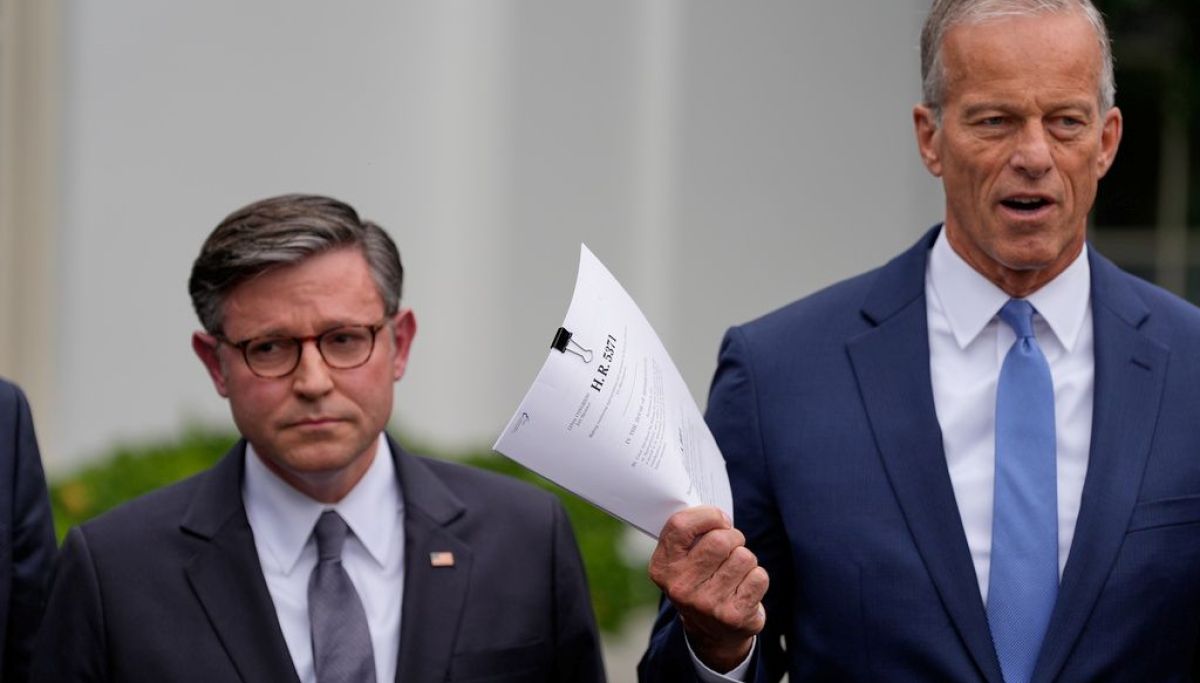
Trump at 32% Approval as Gas Prices Test GOP Midterm Hopes
NYT/Siena polling showed Trump's approval at historic lows around 32 percent with Democrats leading by double digits in key districts. Early voting has surged in battleground states.

Record Early Voting Hits Battlegrounds, Shifting Partisan Shares
AP analysis found hundreds of thousands more early ballots than in 2022 in states including Texas, Ohio, Kansas, Maine, and North Carolina, shifting partisan dynamics.
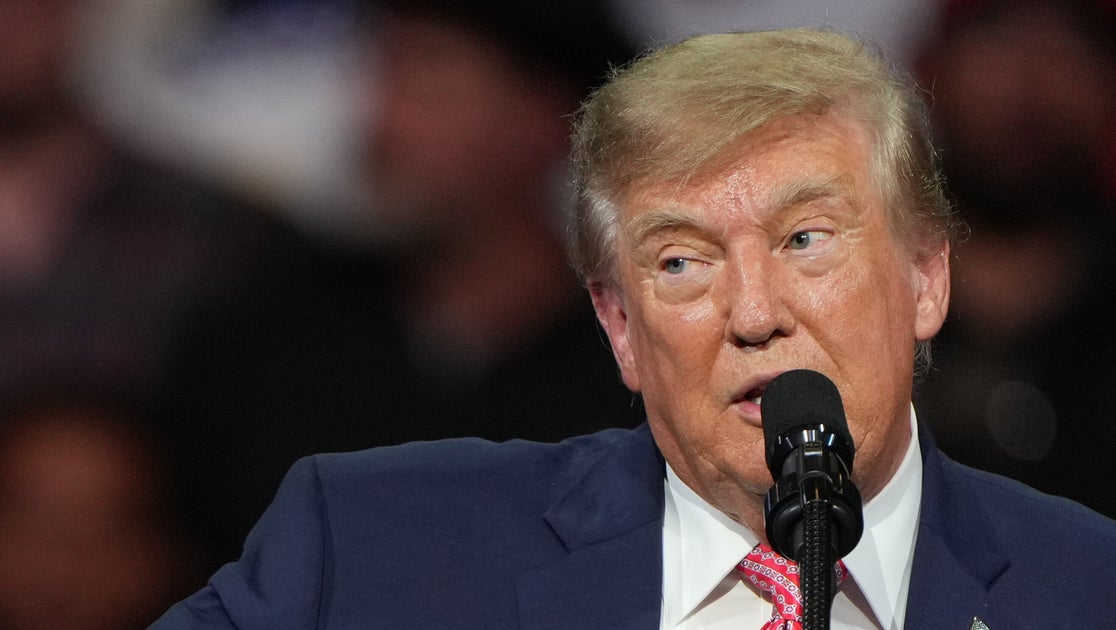
Trump Backs Marshall in Kansas Senate Race Tightened by Farm Costs
President Trump rallied in deep-red Kansas for GOP Sen. Roger Marshall in a competitive race, announcing an $8 billion farm fuel relief program amid high diesel prices. Democrats see an opening to end 94 years of GOP dominance in the state.

Trump Pauses Russia Sanctions Amid Ukraine Tensions and Missile Strikes
Trump waived sanctions on Russia and floated trilateral talks with Putin and Xi as part of ending the Ukraine war, while tensions rose with Zelenskyy over Starlink and arms. Bipartisan senators engaged Zelenskyy amid the shifts.
The Compass
You just read five takes on one story.
What's your take? Find your political shape in a few minutes.
Take the test