
Virginia Redistricting Vote Ignites Legal Fight as Florida GOP Pursues Maps
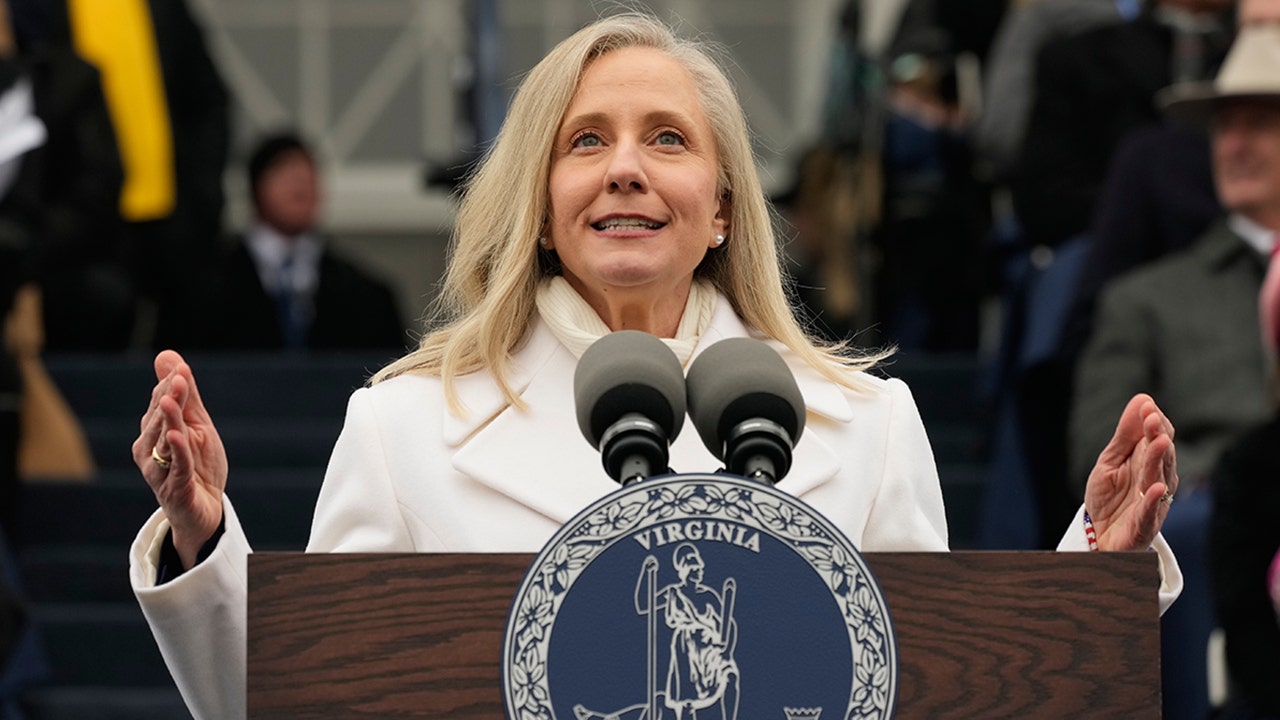
Cover image from foxnews.com, which was analyzed for this article
Virginia's map battles highlight sharp partisan shifts, with Democrats gaining edge against GOP redraws and dishonest ballot language. Legal fights loom as DeSantis faces backfire warnings on gerrymander plans. Midterm implications intensify state-level power struggles.
PoliticalOS
Friday, April 24, 2026 — Politics
Both parties are engaged in tit-for-tat mid-decade redistricting aimed at securing House advantages ahead of the midterms, with Virginia's narrow voter approval now stalled in court and Florida's governor advancing maps under multiple legal shields. The central unresolved question is whether state supreme courts will prioritize process, voter will or constitutional anti-gerrymandering provisions. Readers should understand that these maneuvers carry real risks of backfire in a polarized electorate, and that final maps may not be settled until after candidate filing deadlines or further litigation.
What outlets missed
Most outlets underplayed the reciprocal trigger written into Virginia's amendment, which authorized mid-decade changes only if another state conducted non-decennial redistricting. This condition directly responded to verified GOP-led map shifts in Texas and Florida that added Republican seats, according to NCSL and Ballotpedia records. Coverage also gave short shrift to Virginia's own history of Republican-drawn maps after 2001 that produced a 64-34 state House majority despite Democrats winning the popular vote, later struck down in federal court as unconstitutional gerrymanders. In Florida reporting, population malapportionment data showing districts deviating by thousands of residents after rapid growth was often mentioned only late or skeptically rather than as a documented legal justification alongside the pending Supreme Court case on Voting Rights Act compliance. Finally, the narrowness of Virginia's vote and the fact that the Tazewell ruling is under immediate appeal with a prior Supreme Court stay were sometimes framed as conclusive rather than the opening move in what all parties expect will be months of litigation.
Virginia Redistricting Clash Exposes National Surge in Partisan Map Manipulation
RICHMOND, Va. — A circuit court judge's ruling blocking certification of a narrowly passed ballot measure has escalated Virginia's redistricting fight into a high-stakes legal battle now racing toward the state Supreme Court, illuminating how both parties are aggressively reshaping congressional maps in ways that could tip the balance of power in Washington.
The measure, approved by voters earlier this week, would amend Virginia's constitution to let the Democrat-led General Assembly draw new congressional districts ahead of November's midterms. Proponents framed it as a temporary step to "restore fairness." But Republican lawmakers and conservative critics denounced the ballot language as deliberately misleading, comparing it to Orwellian tactics designed to obscure an outright power grab. The proposed changes could deliver Democrats as many as four additional favorable seats, potentially creating a 10-1 Democratic advantage in a state that has trended sharply left in recent cycles but still contains significant Republican strongholds.
Del. Terry Kilgore, the longtime Republican floor leader in the Virginia House, described the process as unprecedented in its raw partisanship. "This is Virginia. We normally get along, normally go through things the right way," Kilgore said. "I've been here over 30 years. I've never seen anything like this so partisan since I've been here, and it was a very sad day for the Commonwealth." He predicted the state Supreme Court, which holds a slight conservative tilt, would ultimately strike down the effort.
The Virginia dispute did not emerge in isolation. It forms part of a frantic national redistricting scramble triggered by former President Donald Trump's public pressure on Republican-controlled states to maximize GOP seats. After Virginia Democrats secured voter approval for their plan, the urgency intensified for GOP leaders elsewhere. The result is a mirror-image conflict in Florida, where Gov. Ron DeSantis has orchestrated a secretive end-run around his own state's explicit constitutional ban on partisan gerrymandering.
Florida's constitution prohibits map-drawing that intends to favor one party. DeSantis responded by rejecting an open, transparent process during the regular legislative session. Instead, his office quietly drafted new maps intended to generate additional Republican-friendly districts. Those maps are now slated for rushed approval in a special legislative session next week. Legal observers say the strategy rests on three calculated maneuvers: invoking the Purcell Principle to argue that courts cannot intervene so close to an election without causing voter confusion, shielding the drafting process behind executive privilege and the Apex Doctrine to limit discovery, and betting that proving "intent" by legislators will prove nearly impossible in court.
Critics, including some Republican insiders, warn the Florida gambit could backfire. One GOP strategist told reporters that aggressive overreach "could wind up losing seats" by provoking backlash or judicial rebuke. The approach stands in stark contrast to DeSantis's past rhetoric and to the complaints now emanating from Virginia Republicans, who suddenly decry mid-decade redraws after years of defending similar maneuvers in states they controlled.
The ballot language in Virginia has drawn particular scorn from the right. The question asked voters whether the constitution should be changed to let lawmakers "temporarily adopt new congressional districts to restore fairness in the upcoming elections, while ensuring" certain protections. Outlets aligned with conservative viewpoints labeled this "blatantly dishonest," arguing it cynically repurposed progressive critiques of gerrymandering that Democrats including Gov. Abigail Spanberger and former President Barack Obama once weaponized against Republican maps. Spanberger herself had called gerrymandering "detrimental to our democracy" as recently as 2019.
Yet the deeper problem transcends any single state's hypocrisy. Mid-decade redistricting, secretive map-drafting, and legal gamesmanship all erode public confidence in the fundamental idea that voters choose their representatives rather than the reverse. Virginia's transformation from a reliably conservative Southern state to a battleground that flipped blue has only heightened the stakes. What was once a place known for pragmatic bipartisanship, as Kilgore nostalgically recalled, now mirrors the polarized combat seen in Washington.
Legal fights in both Virginia and Florida are likely to drag into the summer, testing how far courts will let partisan actors go in rewriting the rules of engagement. The Purcell Principle, in particular, has come under fire for effectively rewarding whichever party times its power plays closest to Election Day. If DeSantis succeeds in Florida and Virginia Democrats prevail at the state Supreme Court, the net national effect could shift half a dozen or more House seats, enough to decide which party controls Congress during a period of intense policy conflict over voting rights, abortion, and economic priorities.
This is not abstract gamesmanship. Congressional maps determine not only who wins individual districts but whose voices are amplified and whose are diluted. When Democrats in Virginia use a constitutional amendment to entrench advantage, or when DeSantis bypasses his state's anti-gerrymandering clause through procedural sleight-of-hand, the casualty is the same: the already fragile notion that American elections reflect the will of the people rather than the cleverness of mapmakers.
With both parties now fully engaged in this map war, the coming court rulings will do more than settle district lines. They will signal how much further the nation's democratic guardrails can bend before they break. Virginians watching their state's sharp partisan turn should recognize it is no longer a local story. It is a preview of how power will be contested in every competitive state between now and November, and beyond.
You just read Progressive's take. Want to read what actually happened?
More in Politics
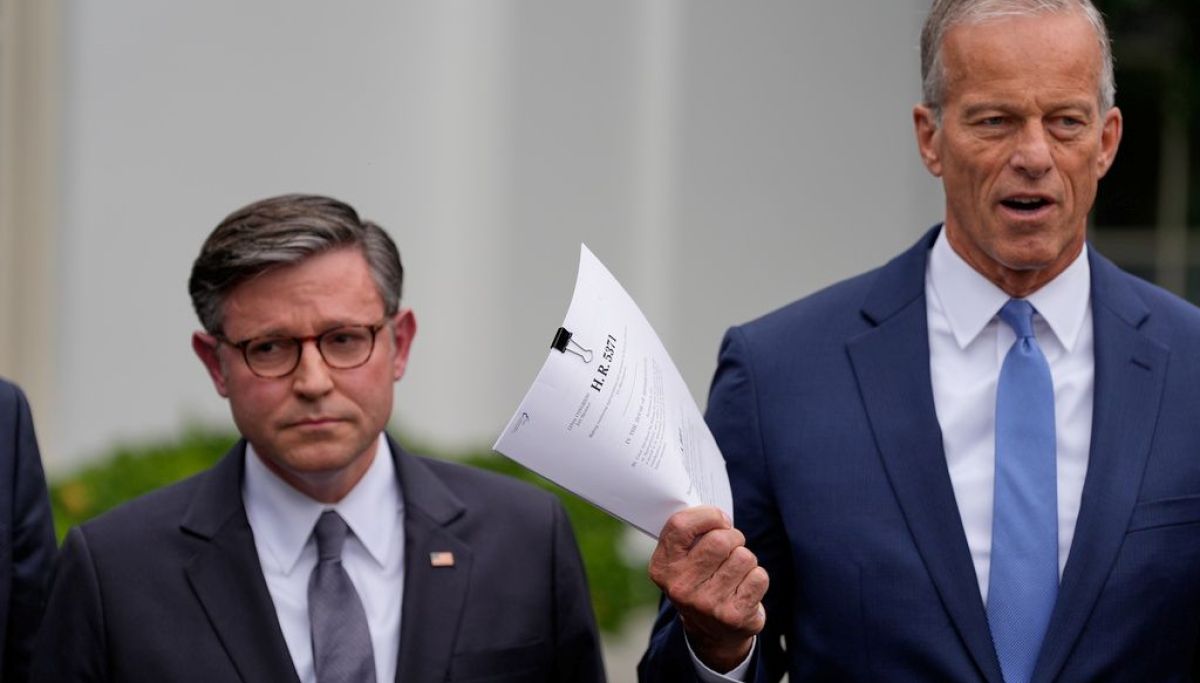
Trump at 32% Approval as Gas Prices Test GOP Midterm Hopes
NYT/Siena polling showed Trump's approval at historic lows around 32 percent with Democrats leading by double digits in key districts. Early voting has surged in battleground states.

Record Early Voting Hits Battlegrounds, Shifting Partisan Shares
AP analysis found hundreds of thousands more early ballots than in 2022 in states including Texas, Ohio, Kansas, Maine, and North Carolina, shifting partisan dynamics.
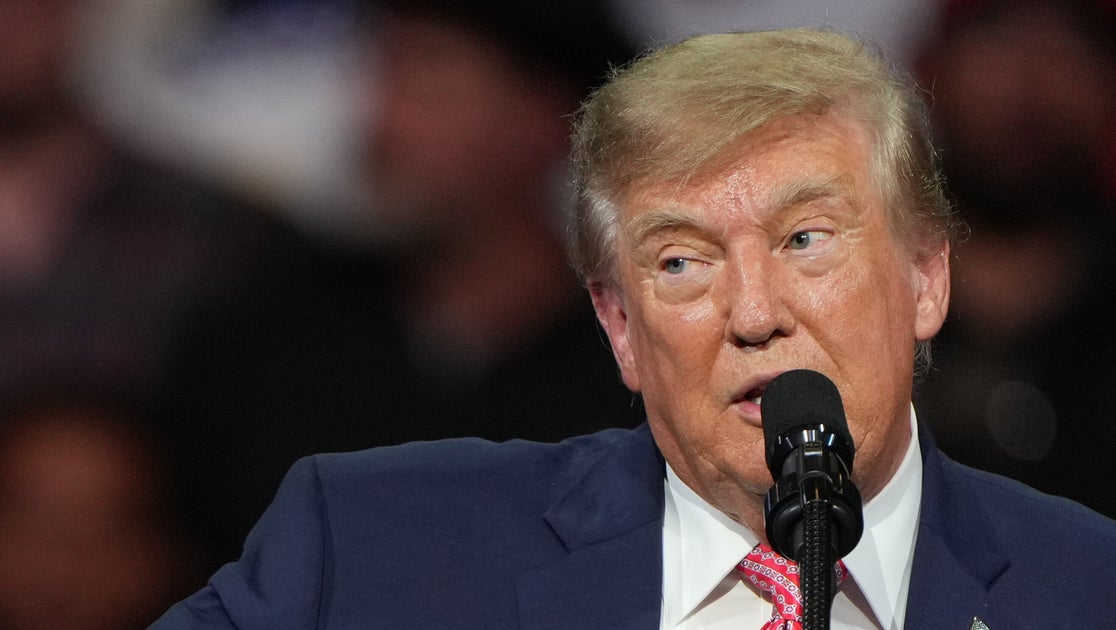
Trump Backs Marshall in Kansas Senate Race Tightened by Farm Costs
President Trump rallied in deep-red Kansas for GOP Sen. Roger Marshall in a competitive race, announcing an $8 billion farm fuel relief program amid high diesel prices. Democrats see an opening to end 94 years of GOP dominance in the state.

Trump Pauses Russia Sanctions Amid Ukraine Tensions and Missile Strikes
Trump waived sanctions on Russia and floated trilateral talks with Putin and Xi as part of ending the Ukraine war, while tensions rose with Zelenskyy over Starlink and arms. Bipartisan senators engaged Zelenskyy amid the shifts.
The Compass
You just read five takes on one story.
What's your take? Find your political shape in a few minutes.
Take the test