
Virginia Court Strikes Down Democrat Redistricting Map
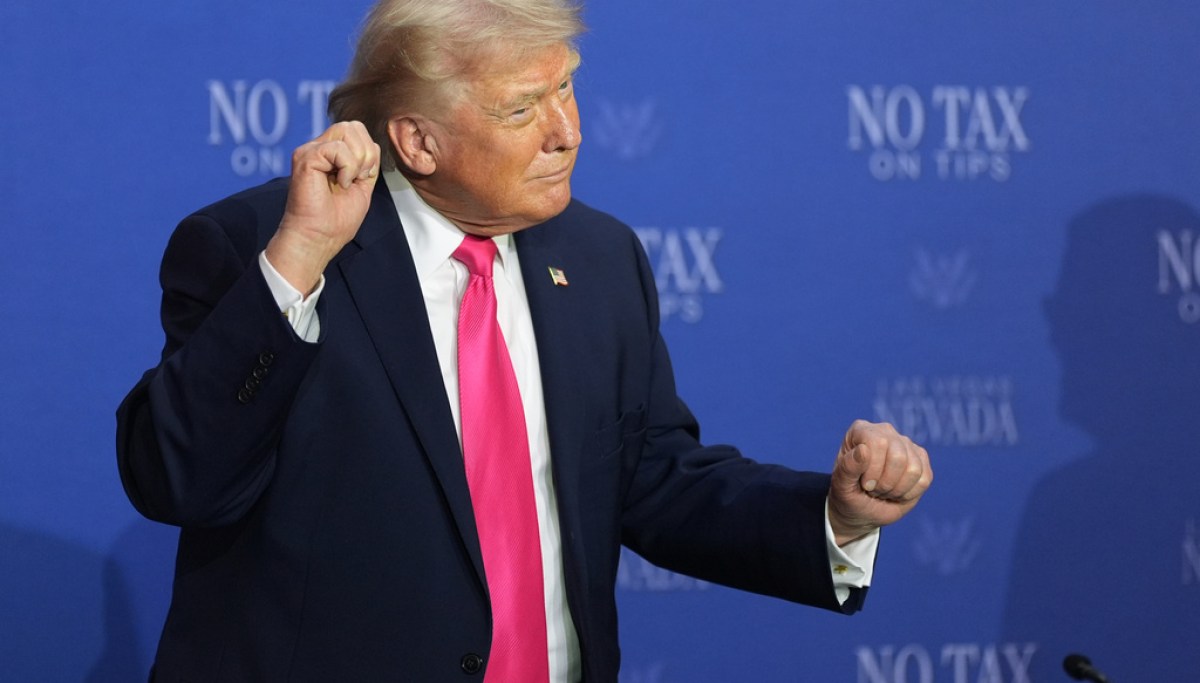
Cover image from washingtonexaminer.com, which was analyzed for this article
A circuit court ruled Virginia's Democrat-drawn congressional map unconstitutional, potentially flipping seats and fueling national gerrymandering fights. Trump criticized the self-own, while parties maneuver ahead of midterms. Voters may decide on reforms amid GOP gains.
PoliticalOS
Thursday, April 23, 2026 — Politics
A Virginia court has halted implementation of a voter-approved map that would have dramatically expanded Democratic congressional seats, illustrating how litigation now shadows every move in the mid-decade redistricting battles both parties have escalated. While projections differ, nonpartisan analyses suggest Republicans may still hold a narrow national edge heading into 2026 despite losses in Virginia and California. The single most important reality is that legal rulings, not just voter referendums, will ultimately decide which maps stand, leaving the fight for House control fluid and the long-term health of electoral competition in doubt.
What outlets missed
Most outlets framed the Virginia referendum either as a settled Democratic win or a Trump-induced Republican self-own, but downplayed or omitted the immediate circuit court ruling that blocked certification and declared key aspects unconstitutional on procedural grounds, a development reported by CNBC and Ballotpedia within 24 hours of the vote. Few noted the amendment's conditional language limiting its effect to the current decade only if other states acted first, or the 48% turnout figure that made the 51.5-48.5 margin less decisive than headlines suggested. Nonpartisan projections from NPR, Cook Political Report and the Princeton Gerrymandering Project showing possible net Republican House gains of three to six seats nationally despite Virginia and California moves were rarely integrated, leaving readers without the full national math. The pending U.S. Supreme Court Voting Rights Act case that could prompt additional Southern map changes before midterms received inconsistent attention, as did the fact that Virginia's pre-referendum 6-5 Democratic edge already reflected earlier court interventions rather than neutral lines.
Democrats Counter Trumps Gerrymandering Offensive With String of Victories
Voters in Virginia delivered a sharp rebuke to Republican efforts to lock in congressional advantages this week by narrowly approving a mid-decade redistricting plan that could hand Democrats four additional House seats in November's midterms. The referendum passed 51.5 percent to 48.5 percent despite a late surge in opposition and immediate legal challenges that have already produced a temporary court block on certifying the results. The outcome underscores a broader pattern Democrats are now exploiting after Donald Trump personally launched an aggressive redistricting campaign that has backfired on his own party.
The Virginia vote represents a direct counter to moves Trump championed in Texas last summer when he pressed Republican lawmakers there to redraw maps outside the normal decennial cycle. Those changes are expected to net the GOP five additional seats. California Democrats responded in kind with their own redraw projected to swing five seats their direction. Now Virginia's shift from a 6-5 Democratic lean to a potential 10-5 advantage further complicates Republican hopes of defending their slim House majority amid widespread expectations of backlash against Trump's second term.
Trump reacted with characteristic fury. On Truth Social he branded the Virginia result "rigged" and openly urged courts to nullify it. Yet the episode has exposed deeper vulnerabilities within the GOP. Several Republican lawmakers are expressing open regret at having followed Trump's lead into what they now describe as a self-inflicted wound. "I wish none of this had happened," said California Representative Kevin Kiley who recently became an independent but continues to caucus with Republicans. Nebraska Representative Don Bacon was more blunt calling the strategy "a mistake in hindsight" and warning that Republicans "thought they could just do Texas and nobody else is gonna respond."
The remorse extends to those tasked with protecting the majority. NRCC chair Richard Hudson offered a noncommittal response when asked if the gambit was worth the risk while Pennsylvania Representative Brian Fitzpatrick condemned the entire episode as "a race to the bottom" that serves no one. Even some conservative voices have acknowledged the dynamic. Florida Governor Ron DeSantis lashed out at House Minority Leader Hakeem Jeffries after Jeffries warned that any further Republican map manipulation in Florida would meet the same fate as Texas calling it a "dummymander" that would backfire. DeSantis dismissed Jeffries as a "dollar-store Obama" but the underlying tension reveals how Trump's initial escalation has forced Republicans onto the defensive.
This arms race carries costs that extend beyond any single election. Experts warn that repeated mid-decade redistricting is eroding long-standing norms and could lock in more extreme maps for years to come. Rina Shah a political strategist told Al Jazeera that Virginia's move "sets a precedent when one side bends the rules retaliation becomes the only response." In Illinois Democrats are advancing a constitutional amendment that would elevate race-based considerations such as creating "racial coalition or influence districts" above traditional criteria like compactness and contiguity. Republicans there call it a last-minute power grab designed to insulate maps currently facing legal challenges.
Democrats have historically positioned themselves as opponents of partisan gerrymandering yet the Virginia and California efforts mark a clear tactical shift toward matching Republican ruthlessness. The change appears born of necessity. After the Supreme Court ruled in 2019 that federal courts would not intervene in partisan map disputes and following Trump's public pressure on Texas the party concluded that unilateral restraint amounted to unilateral disarmament. The result is a landscape where both sides are now willing to bend institutions to their will.
The immediate legal landscape remains fluid. A Virginia judge blocked the new map on procedural grounds shortly after the vote though appeals are expected to move quickly. Similar fights are brewing in other states including potential Republican efforts in Florida that could offset some of the Democratic gains. Prediction markets and early modeling already suggest the net national effect could be close to a wash or even tilt slightly toward Democrats depending on how courts rule and whether additional states join the fray.
What is beyond dispute is the damage to public trust. Gerrymandering has always distorted representation but the current cycle has accelerated it into a perpetual war fought between elections rather than after censuses. Maps become weapons rather than reflections of communities. Competitive districts vanish. Extremes are rewarded. Voters in both parties increasingly find themselves in safe seats where the only real contest is the primary leaving the general election a formality.
Trump's gambit was always a high-stakes bet that Republicans could extract maximum advantage before Democrats responded in force. That wager now looks like a strategic blunder. By starting the war he handed Democrats both the justification and the playbook to fight back with equal aggression. The House majority that Republicans viewed as their firewall against accountability is suddenly more precarious. Yet the real casualty is the idea that electoral maps should be drawn to serve democracy rather than the narrow interests of whichever party holds momentary power in a given state legislature. As this conflict spreads the losers are not simply one side or the other but the voters left with ever more polarized unrepresentative government.
You just read Progressive's take. Want to read what actually happened?
More in Politics
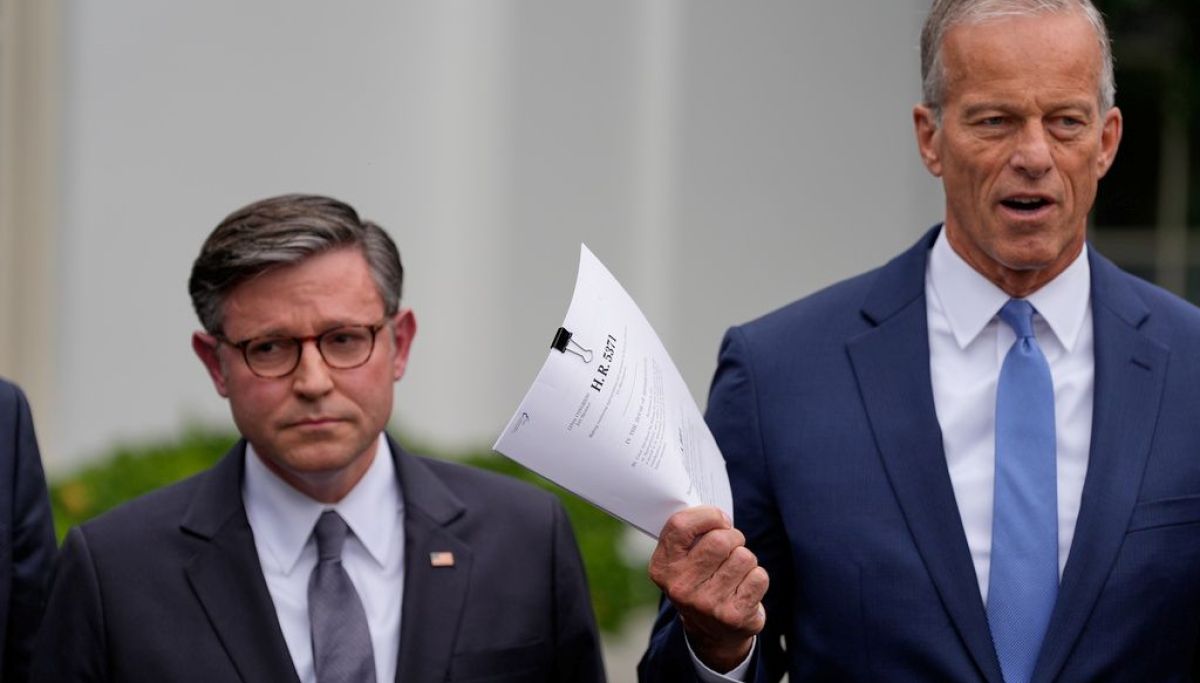
Trump at 32% Approval as Gas Prices Test GOP Midterm Hopes
NYT/Siena polling showed Trump's approval at historic lows around 32 percent with Democrats leading by double digits in key districts. Early voting has surged in battleground states.

Record Early Voting Hits Battlegrounds, Shifting Partisan Shares
AP analysis found hundreds of thousands more early ballots than in 2022 in states including Texas, Ohio, Kansas, Maine, and North Carolina, shifting partisan dynamics.
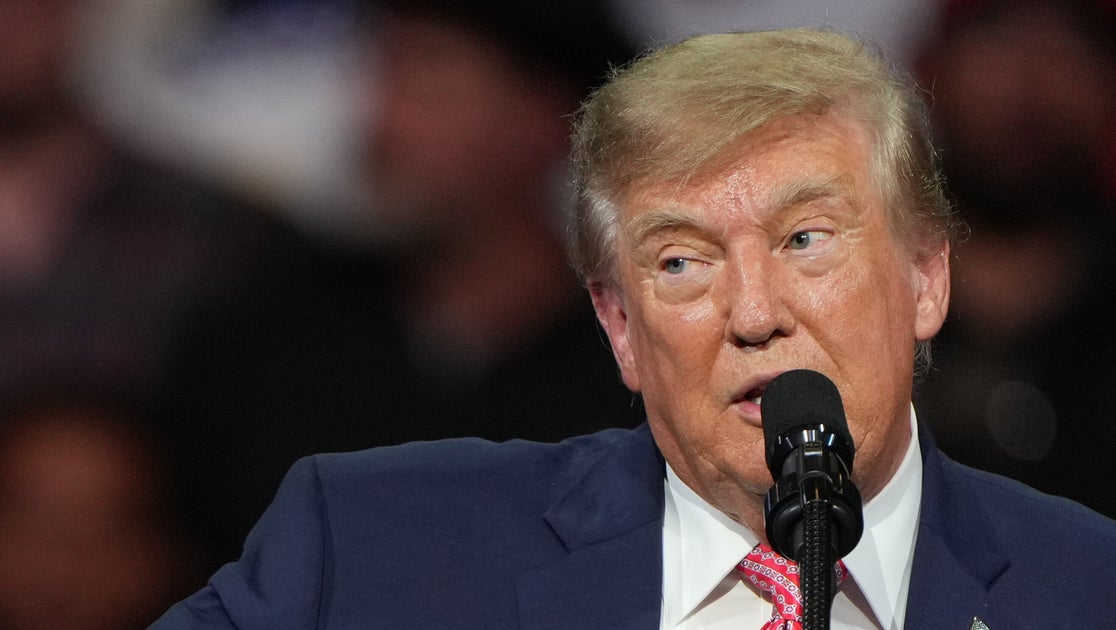
Trump Backs Marshall in Kansas Senate Race Tightened by Farm Costs
President Trump rallied in deep-red Kansas for GOP Sen. Roger Marshall in a competitive race, announcing an $8 billion farm fuel relief program amid high diesel prices. Democrats see an opening to end 94 years of GOP dominance in the state.

Trump Pauses Russia Sanctions Amid Ukraine Tensions and Missile Strikes
Trump waived sanctions on Russia and floated trilateral talks with Putin and Xi as part of ending the Ukraine war, while tensions rose with Zelenskyy over Starlink and arms. Bipartisan senators engaged Zelenskyy amid the shifts.
The Compass
You just read five takes on one story.
What's your take? Find your political shape in a few minutes.
Take the test