
Suspect in Correspondents' Dinner Shooting Faces Federal Court

Cover image from npr.org, which was analyzed for this article
The suspect accused of opening fire at the White House Correspondents' Dinner, motivated by grievances against Trump including a manifesto, appeared in federal court. Trump delayed his exit to observe and later urged unity while decrying hate speech. Security failures are criticized despite claims they worked as intended.
PoliticalOS
Monday, April 27, 2026 — Politics
The shooting attempt at a high-profile Washington event shows that political violence remains a tangible risk even at heavily secured gatherings, yet layered defenses stopped the attacker short of the ballroom and prevented serious harm. Allen's profile—an educated tutor, Christian-fellowship participant and small Harris donor who nonetheless wrote of targeting Trump officials—illustrates how personal grievances can intersect with national polarization in unpredictable ways. The ongoing federal investigation, initial charges and Monday court appearance will determine whether additional counts are filed while officials and journalists continue to debate security gaps and the manifesto's full meaning.
What outlets missed
Multiple outlets underplayed or omitted the suspect's documented involvement in a Caltech Christian fellowship and positive descriptions from a local pastor and former professor, details that sit alongside the manifesto's Gospel references and complicate Trump's characterization that the suspect 'hates Christians.' The $25 donation to an ActBlue Harris fund and Allen's status as a no-party-preference voter appeared inconsistently, with right-leaning coverage often skipping them entirely while left-leaning pieces sometimes minimized the manifesto's explicit targeting of Trump officials except Kash Patel. Several reports failed to note that the Secret Service described the response as a success of layered perimeter defenses even as they acknowledged the interior breach, leaving readers without the tension between official self-assessment and external criticism. Uncorroborated claims that a single Trump AI-generated Jesus image 'provoked' the shooter, advanced by one journalist, were presented without noting that independent searches could not locate the cited Substack post.
Suspect in Correspondents Dinner Attack Chose Violence Despite Education and Planning
Washington authorities arrested a California Institute of Technology graduate who traveled cross country by train after leaving a detailed manifesto that blended personal grievance with selective biblical references, then attempted to breach security at the White House Correspondents Association dinner where President Trump was speaking. Cole Tomas Allen, 31, of Torrance, faces federal charges of assault on a federal officer with a dangerous weapon and use of a firearm during a crime of violence. Additional counts including attempted assassination remain under review, according to Acting Attorney General Todd Blanche and U.S. Attorney Jeanine Pirro.
The incident unfolded Saturday evening at the Washington Hilton. Allen had booked a room inside the hotel. Security footage and witness accounts show him charging a perimeter established for the black tie event, which draws journalists, politicians and celebrities. He fired at least one shot that struck a Secret Service agent squarely in his protective vest. The agent suffered no serious injury. Agents immediately surrounded Trump and Vice President Vance, rushing them from the ballroom while attendees dove under tables. The swift response prevented casualties in a crowded space filled with the capital’s elite.
Allen left writings with family members that referred to him as the “Friendly Federal Assassin” and outlined plans to target senior Trump administration officials present that night. Portions reviewed by investigators and reported across outlets show him methodically citing Gospel passages to frame his actions as somehow defensible. He expressed limited remorse for lying to colleagues and students he tutored, claiming a vague “personal emergency,” and to his parents, whom he told he had a job interview. The documents mix that regret with apparent satisfaction at pursuing what he cast as a larger mission.
President Trump described the suspect plainly in a Fox News interview. “The guy is a sick guy,” Trump said. “When you read his manifesto, he hates Christians. That’s one thing for sure.” That assessment aligns with the shooter’s decision to fire on protective personnel guarding the president. Yet some coverage has emphasized a different angle. Independent journalist Ken Klippenstein argued Monday that Allen “might have” been provoked by a mid April Trump social media post featuring an AI generated image of the president in white robes and red sash, extending a hand bathed in light to heal a sick man. The image drew sharp criticism even from some Trump supporters who viewed it as blasphemous. Trump deleted the post but later said he understood it depicted someone else.
Klippenstein, citing interviews with people who knew Allen, suggested the religious imagery in the manifesto indicated familiarity with Christian theology rather than hatred of it. An alleged copy of the document reviewed by the New York Post does show Allen working through biblical texts one by one. This line of reporting attempts to locate the spark for the violence in a single presidential social media action rather than in the choices of a grown man who methodically arranged travel, lodging and timing to coincide with a high profile gathering of Trump’s critics in the press.
Such interpretations sit uneasily with the evidence of premeditation. Allen graduated from one of the nation’s most rigorous science institutions. He held steady work as a tutor. Nothing in available background suggests impulsive poverty or lack of options. He chose to board a train in California, cross the continent, check into the target hotel and execute an armed breach. Those are deliberate steps. In a culture that increasingly treats political grievances as mitigating factors, Allen’s path illustrates the limits of excusing individual agency. People of substantial education and apparent means still bear responsibility when they select violence as the response to perceived offenses, whether those offenses involve policy, rhetoric or religious imagery.
Federal court records list Allen’s initial appearance for Monday. The proceeding is expected to be routine, focused on informing him of his rights and setting conditions. Investigators continue to examine electronic records, witness statements and the full manifesto. Blanche noted the inquiry remains active, with the possibility of refining charges as more becomes known about targets inside the ballroom.
The White House Correspondents Association dinner has long served as Washington’s annual pageant of access and self regard. This year’s gathering ended in gunfire and evacuation rather than punch lines. No one disputes that political tension runs high. Yet the record shows law enforcement met an armed intruder with speed and professionalism, protecting the president and dozens of others. The alleged shooter now confronts the legal consequences of his decisions. Those consequences, not retrospective searches for provocation, define the outcome of choices made by a man who possessed every apparent tool to pursue peaceful dissent but instead packed a weapon and a manifesto and headed east.
You just read Conservative's take. Want to read what actually happened?
More in Politics
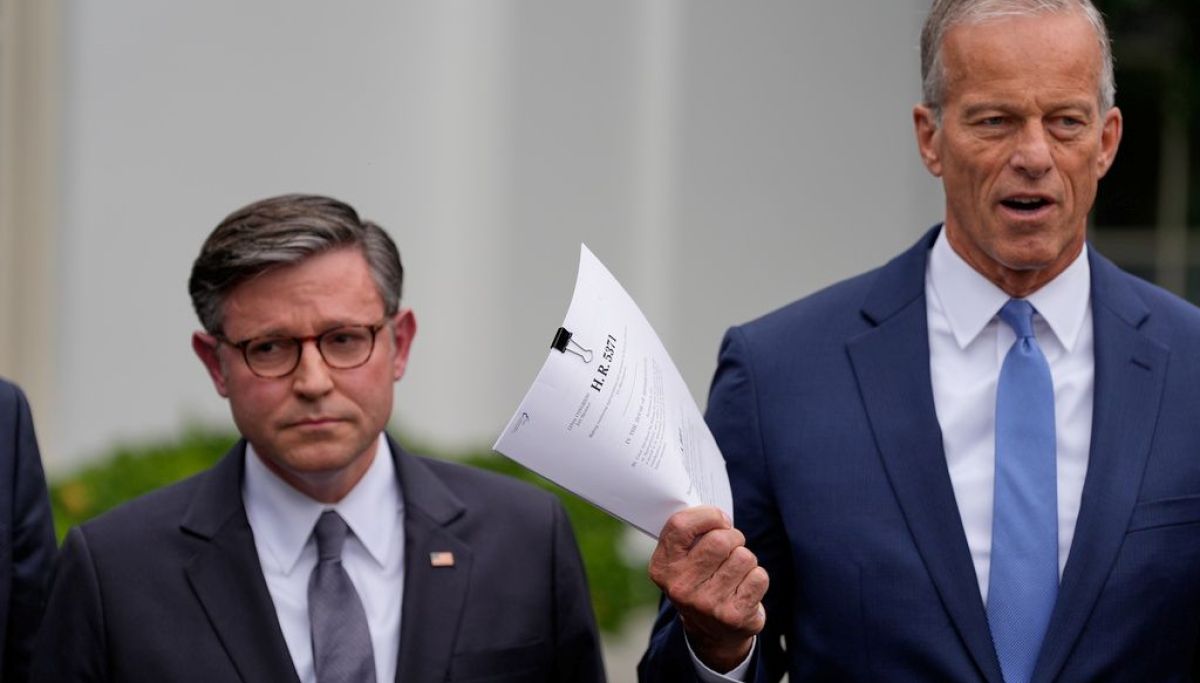
Trump at 32% Approval as Gas Prices Test GOP Midterm Hopes
NYT/Siena polling showed Trump's approval at historic lows around 32 percent with Democrats leading by double digits in key districts. Early voting has surged in battleground states.

Record Early Voting Hits Battlegrounds, Shifting Partisan Shares
AP analysis found hundreds of thousands more early ballots than in 2022 in states including Texas, Ohio, Kansas, Maine, and North Carolina, shifting partisan dynamics.
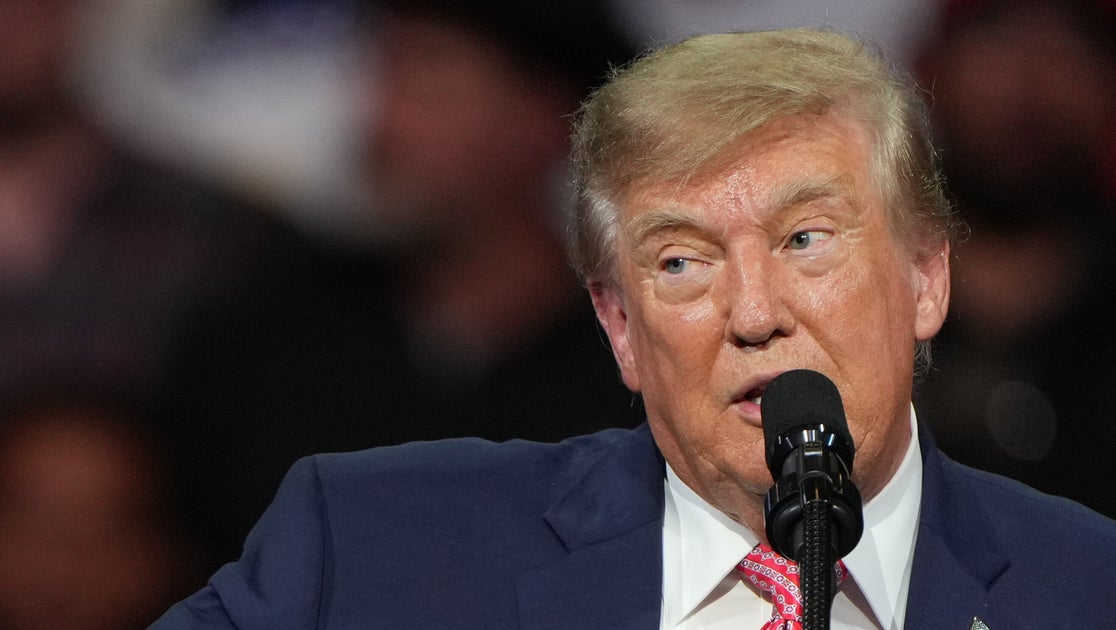
Trump Backs Marshall in Kansas Senate Race Tightened by Farm Costs
President Trump rallied in deep-red Kansas for GOP Sen. Roger Marshall in a competitive race, announcing an $8 billion farm fuel relief program amid high diesel prices. Democrats see an opening to end 94 years of GOP dominance in the state.

Trump Pauses Russia Sanctions Amid Ukraine Tensions and Missile Strikes
Trump waived sanctions on Russia and floated trilateral talks with Putin and Xi as part of ending the Ukraine war, while tensions rose with Zelenskyy over Starlink and arms. Bipartisan senators engaged Zelenskyy amid the shifts.
The Compass
You just read five takes on one story.
What's your take? Find your political shape in a few minutes.
Take the test