
Canadian Wildfire Smoke Brings Hazardous Air to US Midwest and Northeast
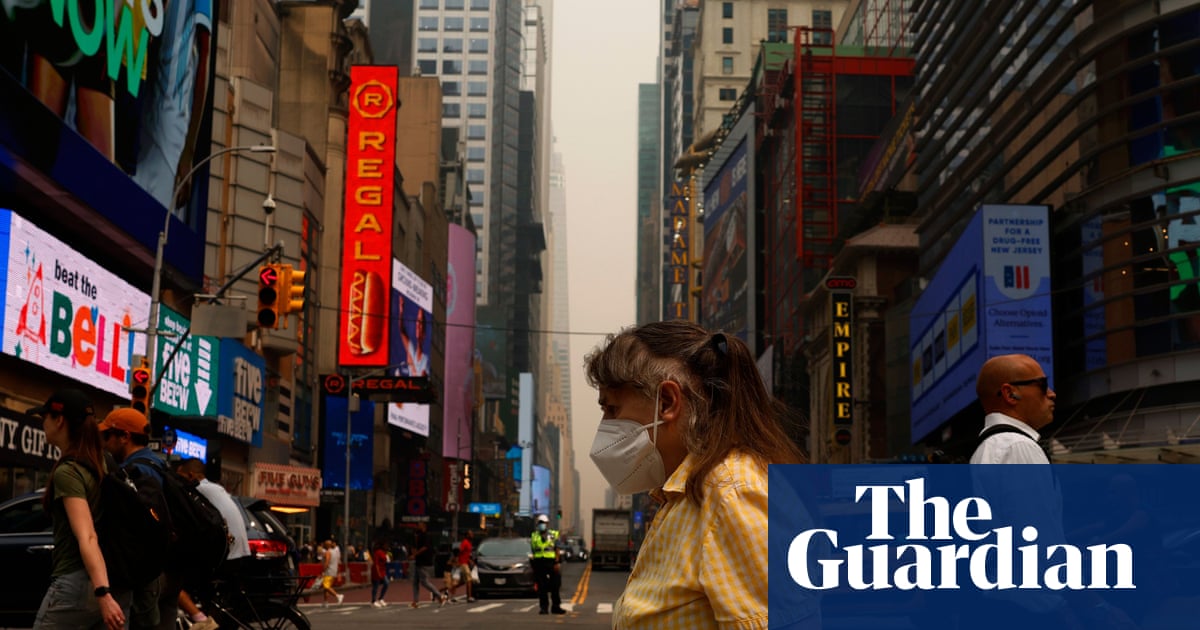
Cover image from theguardian.com, which was analyzed for this article
Dense smoke plumes from Canada caused hazardous air quality across the Midwest, mid-Atlantic and Northeast, with impacts expected through the weekend.
PoliticalOS
Friday, July 17, 2026 — Politics
Smoke from Canadian wildfires created hazardous conditions across multiple US regions this week, prompting official alerts and behavioral changes for millions. The event fits a pattern of more frequent smoke episodes, though direct causation and future frequency rest on data that outlets presented without full cross-verification.
What outlets missed
No outlet supplied independently verified counts of total active fires or acres burned beyond the Independent's figures, which remain unconfirmed. Long-term health data on cardiac deaths occurring up to three years after exposure appeared only in the Independent and lacked cross-referencing. Non-climate contributors to fire growth, such as forest management history or ignition sources, received no mention despite their presence in government fire statistics. Precise AQI readings and duration of hazardous conditions were described qualitatively rather than with consistent numerical data across regions.
Millions of residents across the Midwest, mid-Atlantic and Northeast faced elevated health risks this week as thick plumes of smoke from Canadian wildfires reduced visibility and triggered air-quality alerts in major cities. Officials warned that outdoor exposure could worsen respiratory symptoms, particularly for children, seniors and those with asthma or other lung conditions.
The smoke originated from fires burning in Ontario and other Canadian provinces, with some reports citing more than 800 active blazes that had already consumed nearly 5 million acres. Plumes drifted south into Detroit, Chicago, New York City, Minneapolis and Toronto, where the National Weather Service and local emergency agencies issued alerts. Detroit recorded the worst air quality in the world on one recent day according to iQAir data referenced across multiple accounts. Impacts were expected to continue through the weekend.
New York City Mayor Zohran Mamdani advised residents to limit time outdoors and strenuous activity. The city distributed free KN95 masks at libraries, police stations and firehouses while the Office of Emergency Management recommended staying inside if symptoms such as watery eyes, scratchy throat or breathing difficulty appeared. Similar guidance went out in Chicago and other affected areas.
Residents described a persistent smell of burning wood and stinging eyes. One New York security worker with asthma continued shifts in Times Square wearing a mask because his job required it. A mother on maternity leave in Brooklyn canceled camp plans for her children to avoid prolonged walks in the haze. In Chicago, some compared the air to heavy cigarette smoke, though that specific phrasing appeared only in one headline.
A USA Today analysis cited in coverage showed rising annual acres burned over three decades. One researcher noted that roughly half the smoke from wildfires between 1997 and 2020 could be linked to climate-driven heat and drought, with the share increasing after 2010. Axios reported that per-person exposure to wildfire smoke in the United States was four times higher on average during 2020-2024 than in 2006-2019, according to a Climate Central study; that figure could not be independently verified from other outlets. The Independent stated that orange skies from Canadian smoke were rare a decade ago but became more common after 2023; no outlet provided contradicting historical records.
Wildfire smoke contains fine particles that can affect heart, lung and brain health. Doctors noted increased cardiac events and doctor visits after major smoke episodes, with effects sometimes lasting years. Hotter temperatures in some regions helped trap the smoke closer to the ground.
The fires also forced evacuations in parts of Minnesota and disrupted tourism near affected Canadian forests. Models suggested the smoke could shift southward again next week, though exact paths remained uncertain.
More in Politics

Federal Agents Search Omar Home in Ongoing Immigration Probe
Homeland Security agents searched the Minnesota Democrat's DC residence in a criminal probe, prompting accusations of political intimidation from Omar and Democratic leaders. Coverage spans left-leaning outlets like NPR, BBC, and The Guardian alongside right-leaning criticism from The Federalist and Daily Wire.

Trump Diesel Import Plan Draws Pushback Over Russia Ties
The weekend agreement drew bipartisan congressional pushback and criticism from Ukraine's Zelenskyy, with analysts downplaying US fuel price impacts. Right-leaning outlets like National Review, Dispatch, and Washington Examiner questioned its legality and effectiveness.

Independents Test Voter Appetite for Middle Ground in 2026 Midterms
Nearly 200 independents are running in competitive races as voters weigh ballot measures on housing costs in states like Massachusetts. Left-leaning coverage from NYT, NPR, and Guardian highlights turnout and key races while right outlets focus on GOP strategy.

Trump Rallies in Alaska, Ohio to Bolster GOP Senate Candidates
The president rallied in Wasilla for Sen. Dan Sullivan and faced empty seats at an Ohio event amid midterm concerns. Outlets across the spectrum covered the trips as signals of GOP vulnerability weeks before Election Day.
The Compass
You just read five takes on one story.
What's your take? Find your political shape in a few minutes.
Take the test