
Democrats Face Working-Class Disconnect on Priorities

Cover image from slate.com, which was analyzed for this article
Reports highlight ongoing challenges for Democrats in reconnecting with working-class voters, with analysis on messaging and electoral implications.
PoliticalOS
Wednesday, July 29, 2026 — Politics
The core tension remains whether Democrats can shift emphasis to economic security and cultural respect without losing their existing base. The key unverified claim is the precise priority ranking of democracy concerns among working-class voters.
What outlets missed
The NPR piece rests its central claim on a single unverified poll ranking without external corroboration or methodology details. No other major outlets examined the Williams-Abbott report in the provided material. The Slate column addresses an unrelated personal-finance query and contributes nothing to the electoral analysis.
Working-class voters across racial lines have drifted from Democratic support in recent cycles, leaving the party searching for a coalition that can deliver sustained majorities. A new analysis from researchers Joan C. Williams and Jared Abbott contends that the gap stems less from ideology than from mismatched priorities: paychecks, prices, and personal safety rank highest for those without college degrees, while liberal college graduates place greater weight on resisting authoritarianism and certain social issues.
The report draws on the Class Gaps Poll of more than 5,000 respondents and defines the working class as adults without four-year degrees earning between $40,000 and $100,000. It finds that "resisting authoritarianism" placed 19th out of 20 priorities for this group, a ranking that could not be independently verified against other national surveys. Williams and Abbott argue that repeated emphasis on democracy defense, as seen in Kamala Harris's 2024 campaign, fails to connect when voters first seek economic stability and cultural respect.
Their prescription calls for consistent populist language on a rigged economy alongside deliberate avoidance of signals that college-educated liberals look down on non-graduates. Reframing climate policy around jobs, energy costs, and competition with China improved support among working-class respondents in the researchers' tests without eroding liberal backing. The authors, both progressive academics, state their goal is a durable coalition capable of advancing progressive outcomes rather than a shift toward centrism.
Democratic candidates in the current midterm cycle have largely kept economic themes front and center, the report notes, though the authors caution that genuine outreach matters more than tactical rephrasing. Without bridging the diploma divide on values such as self-reliance and patriotism, they conclude, the party will continue to lose ground where elections are decided.
More in Politics

Federal Agents Search Omar Home in Ongoing Immigration Probe
Homeland Security agents searched the Minnesota Democrat's DC residence in a criminal probe, prompting accusations of political intimidation from Omar and Democratic leaders. Coverage spans left-leaning outlets like NPR, BBC, and The Guardian alongside right-leaning criticism from The Federalist and Daily Wire.

Trump Diesel Import Plan Draws Pushback Over Russia Ties
The weekend agreement drew bipartisan congressional pushback and criticism from Ukraine's Zelenskyy, with analysts downplaying US fuel price impacts. Right-leaning outlets like National Review, Dispatch, and Washington Examiner questioned its legality and effectiveness.

Independents Test Voter Appetite for Middle Ground in 2026 Midterms
Nearly 200 independents are running in competitive races as voters weigh ballot measures on housing costs in states like Massachusetts. Left-leaning coverage from NYT, NPR, and Guardian highlights turnout and key races while right outlets focus on GOP strategy.
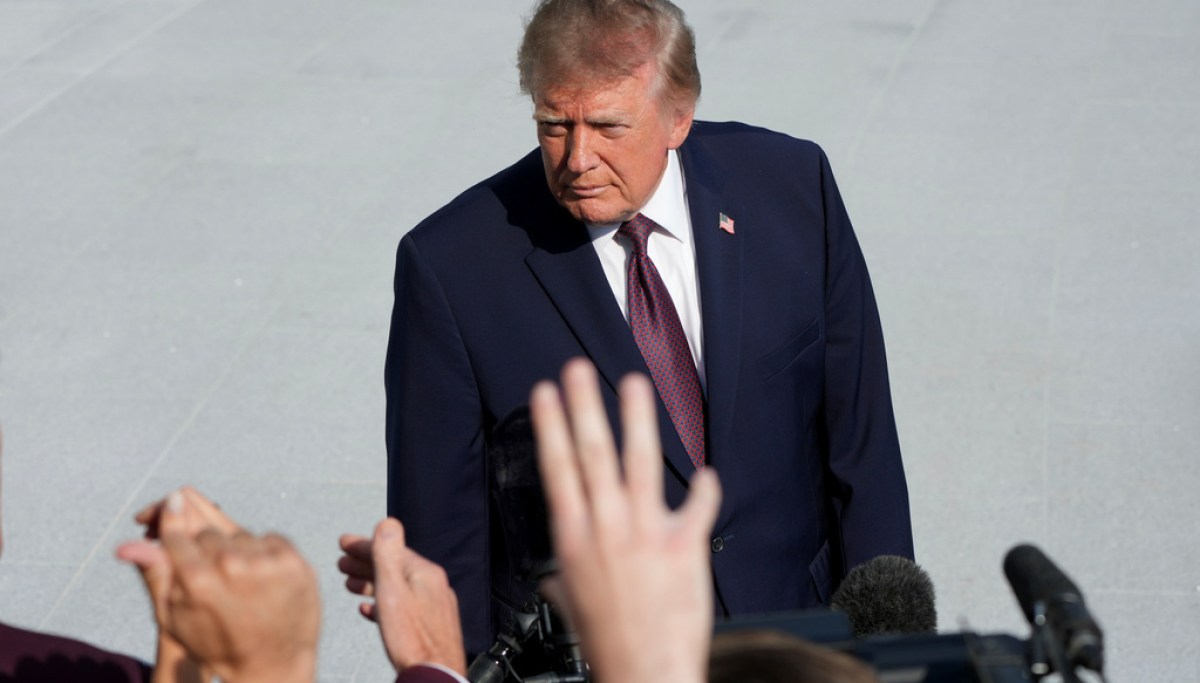
Trump Rallies in Alaska, Ohio to Bolster GOP Senate Candidates
The president rallied in Wasilla for Sen. Dan Sullivan and faced empty seats at an Ohio event amid midterm concerns. Outlets across the spectrum covered the trips as signals of GOP vulnerability weeks before Election Day.
The Compass
You just read five takes on one story.
What's your take? Find your political shape in a few minutes.
Take the test