
Anthropic Files for IPO Near $1 Trillion as AI Cost Concerns Mount
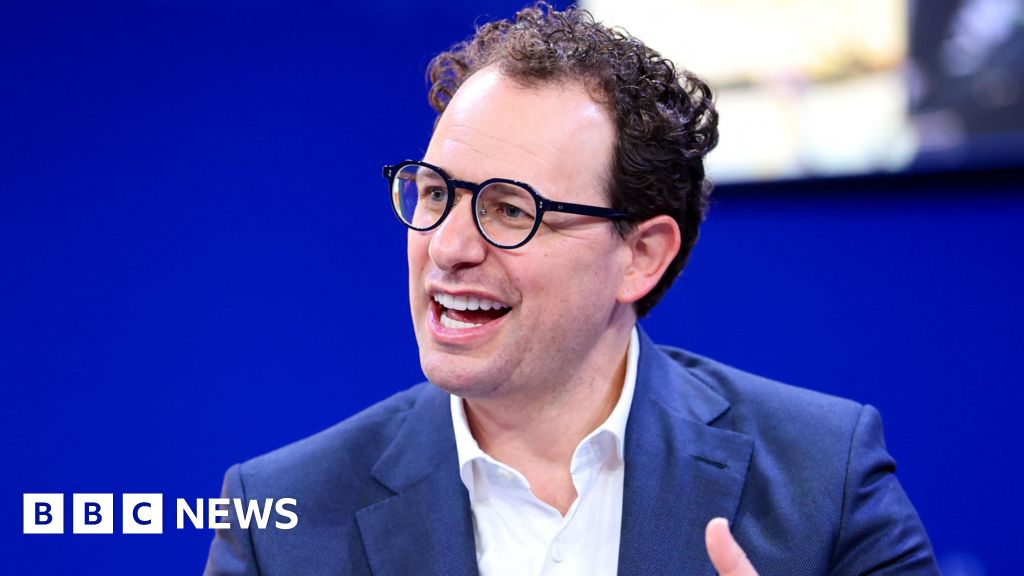
Cover image from bbc.com, which was analyzed for this article
Nvidia's Jensen Huang highlights AI growth potential despite constraints, while Anthropic confidentially files for a Wall Street debut nearing $1 trillion valuation. Microsoft and others prepare AI tool showcases amid rising data center demand.
PoliticalOS
Tuesday, June 2, 2026 — Tech
Anthropic’s near-trillion-dollar valuation now depends on whether corporate customers continue paying premium rates for AI tools whose measurable returns remain uneven across the companies writing the checks. The IPO prospectus will supply the first public test of those economics.
What outlets missed
Most coverage omitted the scale of Alphabet’s planned $80 billion AI capital raise and Microsoft’s scheduled product demonstrations, both of which directly illustrate the infrastructure spending that supports current valuations. No outlet supplied independent confirmation of the $500 million single-month Claude spend anecdote or the precise Altman quotation on cost criticism. The BBC alone noted Anthropic’s earlier legal dispute with the Defense Department over contract language governing lawful use of its models, a detail that bears on enterprise risk disclosures ahead of the IPO.
AI Giants Chase Trillion Dollar Dreams While Workers and Even the Pope Push Back
Anthropic filed paperwork this week to go public in the United States, a move that could value the artificial intelligence company near one trillion dollars. The timing stands out because companies that pay for its Claude chatbot are already complaining about the bills piling up. OpenAI, its main rival, is also weighing an IPO, and Nvidia chief Jensen Huang just declared another chip maker, Marvell, the next trillion dollar firm on the strength of data center demand.
Corporate customers are discovering the hard way that the promised savings from AI have not shown up. A recent Bain survey found that after big investments, 40 percent of firms saw cost reductions below 10 percent. Some executives privately admit sticker shock, with one consultant describing a client that ran up a half billion dollar tab in a single month. Sam Altman of OpenAI called cost concerns the fairest criticism of the technology so far. These are not abstract complaints. They come from businesses that signed on expecting efficiency gains and instead found themselves locked into expensive usage.
The money keeps flowing upward anyway. Anthropic raised fresh capital at a valuation above 965 billion dollars, ahead of OpenAI's latest mark. SpaceX is also heading toward the public markets with its own enormous target. Alphabet plans to raise 80 billion dollars specifically for AI projects. The pattern is familiar: a handful of firms capture enormous private gains while spreading the costs and risks across the wider economy.
Public resistance is growing in parallel. New college graduates have booed commencement speakers who praised AI without mentioning the jobs it threatens to replace. Inside offices, employees have started quietly undermining efforts to force the tools into daily work. Data centers, the physical backbone of these systems, have become so unpopular that some companies are exploring space based alternatives rather than face local opposition on the ground.
Pope Leo XIV added his voice last month with an encyclical titled Magnifica Humanitas. He warned that human dignity faces new forms of dehumanization from unregulated AI and called for stronger oversight of the industry. The statement follows earlier clashes between the pontiff and the current administration, but it lands at a moment when ordinary people are already expressing doubts about the pace of change.
The core issue is who benefits and who pays. History shows that when entire industries shift, displaced workers rarely receive meaningful support. The same pattern appears likely here. Tech leaders talk of transformation and abundance, yet the immediate effects include higher expenses for businesses, uncertainty for employees, and little clarity on how communities will adapt. Valuations keep climbing on the assumption that adoption will only accelerate. The backlash suggests many Americans never voted for that future and are beginning to say so out loud.
You just read America First's take. Want to read what actually happened?
More in Technology
Trump Pushes Community Dividends to Ease Data Center Backlash
Trump suggested tech companies pay local communities a 'dividend' to gain support for massive AI data centers amid growing backlash over energy use and infrastructure.
Musk Pledges One SpaceX Share to Every U.S. Child
Musk announced plans to distribute one SpaceX share to each of roughly 73 million American children next year, drawing praise from Trump and signaling closer alignment between the two.

Trump Administration Bans DeepSeek AI From Federal Civilian Agencies
Tech stocks rebounded on AI optimism while hyperscalers and firms navigate data center infrastructure, earnings focus, and regulatory scrutiny including bans on certain Chinese AI tools.

Musk Says He Will Give One SpaceX Share to Every US Child
Elon Musk announced plans to distribute one SpaceX share to every American child in 2027, with hints of further giveaways. The pledge drew coverage across outlets amid broader discussions of AI philanthropy and Musk entities.
The Compass
You just read five takes on one story.
What's your take? Find your political shape in a few minutes.
Take the test