
AI spreads through US schools and workplaces as guidance lags
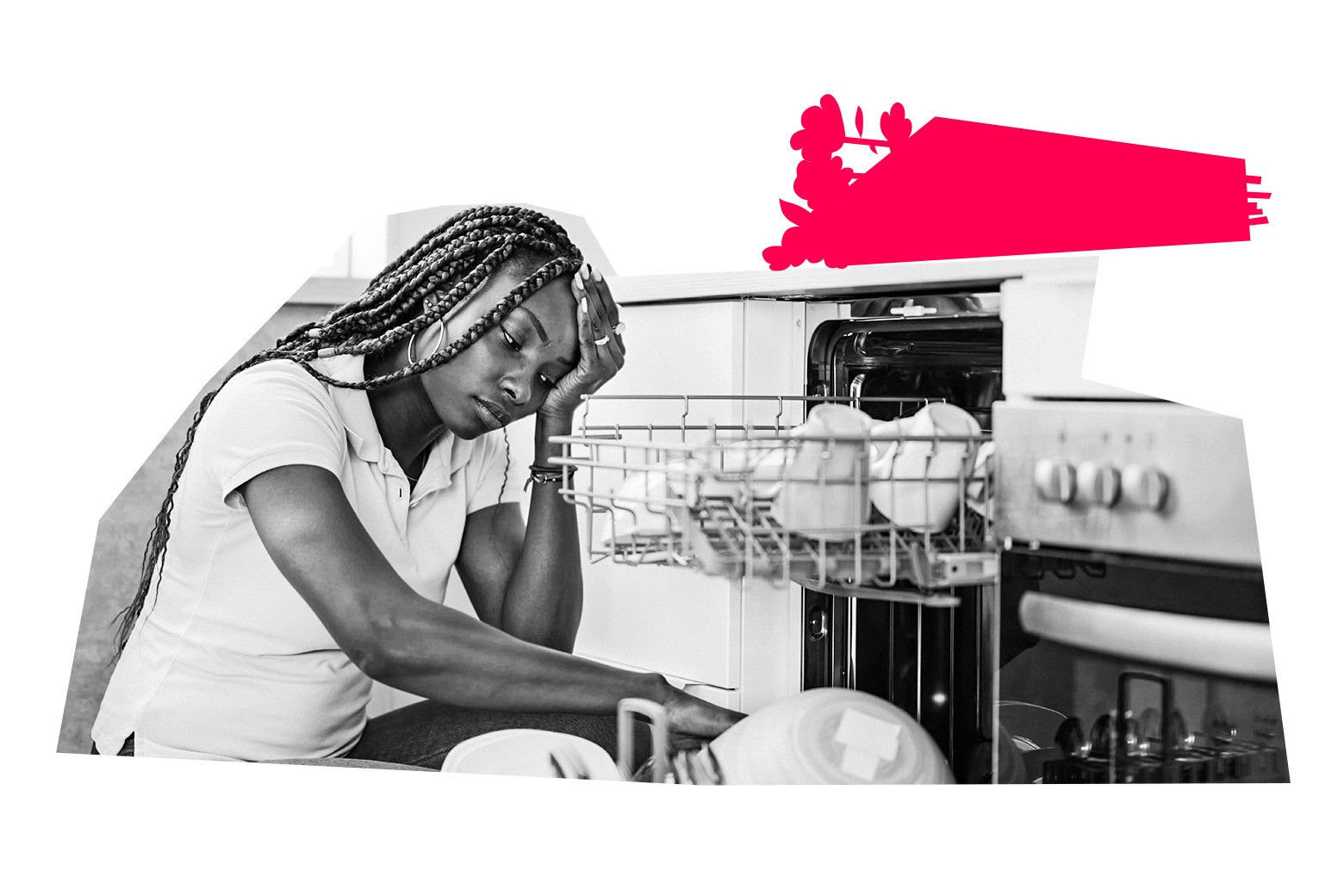
Cover image from slate.com, which was analyzed for this article
Nursing programs and other fields are rapidly adopting generative AI and immersive tools for training. Broader adoption includes logistics and data center planning amid debates over job impacts.
PoliticalOS
Wednesday, May 27, 2026 — Tech
AI tools are moving into classrooms and workplaces faster than institutions are issuing usable rules, and the employment effects remain measured by conflicting indicators rather than settled outcomes. Readers should treat claims of either mass displacement or painless transition as projections until verified counts appear.
What outlets missed
The Axios jobs piece inverted Stanford findings on which sectors saw employment drops, presenting high-exposure declines as low-exposure ones. No outlet supplied independent verification of the specific Altman or Olah quotes used to frame opposing camps. Coverage of healthcare and logistics adoption stayed at the level of summary statements without numbers on scale, cost, or measured outcomes.
Communication Shortfalls Fuel Mother's Day Resentment
A recent letter to an advice column detailed a wife's disappointment after Mother's Day, where her husband provided leftover takeout, loose flowers, and a gift card despite her prior instruction against the latter. The couple, parents of toddlers aged 2 and 4, had spent the preceding weekend with her mother and together on Saturday. On the holiday itself, she encountered a rushed morning and minimal preparations, leading to later confrontation where her husband accused her of unrealistic expectations and suggested she should have requested specific plans like a reservation.
The episode underscores recurring patterns in household dynamics where assumptions substitute for clear directives. The wife described attempting appreciation in the moment before expressing dissatisfaction, prompting the husband's raised voice. Her account noted she had explicitly rejected a gift card days earlier yet offered no further guidance on desired activities or alternatives. Such gaps in explicit requests often produce mismatched outcomes, as individuals operate with incomplete information about others' preferences.
Empirical patterns in family interactions consistently show that direct communication reduces friction more reliably than implied wishes. Partners who outline concrete needs ahead of time, rather than relying on shared intuition, report fewer instances of perceived neglect. In this case, the absence of instructions for outings or meals left the husband to default to familiar routines, including sports activities for the children. The resulting resentment built on unstated standards rather than overt agreements.
Broader data on marital satisfaction points to personal accountability as a stronger predictor of harmony than external validations or elaborate gestures. Couples who treat holidays as opportunities for mutual planning, instead of tests of unspoken devotion, navigate these periods with less accumulated grievance. The wife's reflection on post-holiday stewing illustrates how internal expectations, left unarticulated, can escalate minor shortfalls into larger conflicts.
Critics of such complaints sometimes note that modern expectations around designated days have expanded beyond historical norms, placing heavier burdens on routine household management. Here, the husband's provision of flowers and a card, even if imperfectly presented, represented an attempt at recognition amid existing family obligations. Shifting focus to coordinated action might address root causes more effectively than assigning fault after the fact.
Observers of similar disputes emphasize that successful households prioritize explicit coordination over emotional audits. When one party identifies a mismatch, immediate clarification serves better than deferred complaints. This approach aligns with incentives that reward foresight and penalize vagueness in daily arrangements.
You just read Conservative's take. Want to read what actually happened?
More in Technology
Trump Pushes Community Dividends to Ease Data Center Backlash
Trump suggested tech companies pay local communities a 'dividend' to gain support for massive AI data centers amid growing backlash over energy use and infrastructure.
Musk Pledges One SpaceX Share to Every U.S. Child
Musk announced plans to distribute one SpaceX share to each of roughly 73 million American children next year, drawing praise from Trump and signaling closer alignment between the two.

Trump Administration Bans DeepSeek AI From Federal Civilian Agencies
Tech stocks rebounded on AI optimism while hyperscalers and firms navigate data center infrastructure, earnings focus, and regulatory scrutiny including bans on certain Chinese AI tools.

Musk Says He Will Give One SpaceX Share to Every US Child
Elon Musk announced plans to distribute one SpaceX share to every American child in 2027, with hints of further giveaways. The pledge drew coverage across outlets amid broader discussions of AI philanthropy and Musk entities.
The Compass
You just read five takes on one story.
What's your take? Find your political shape in a few minutes.
Take the test