
AI spreads through US schools and workplaces as guidance lags
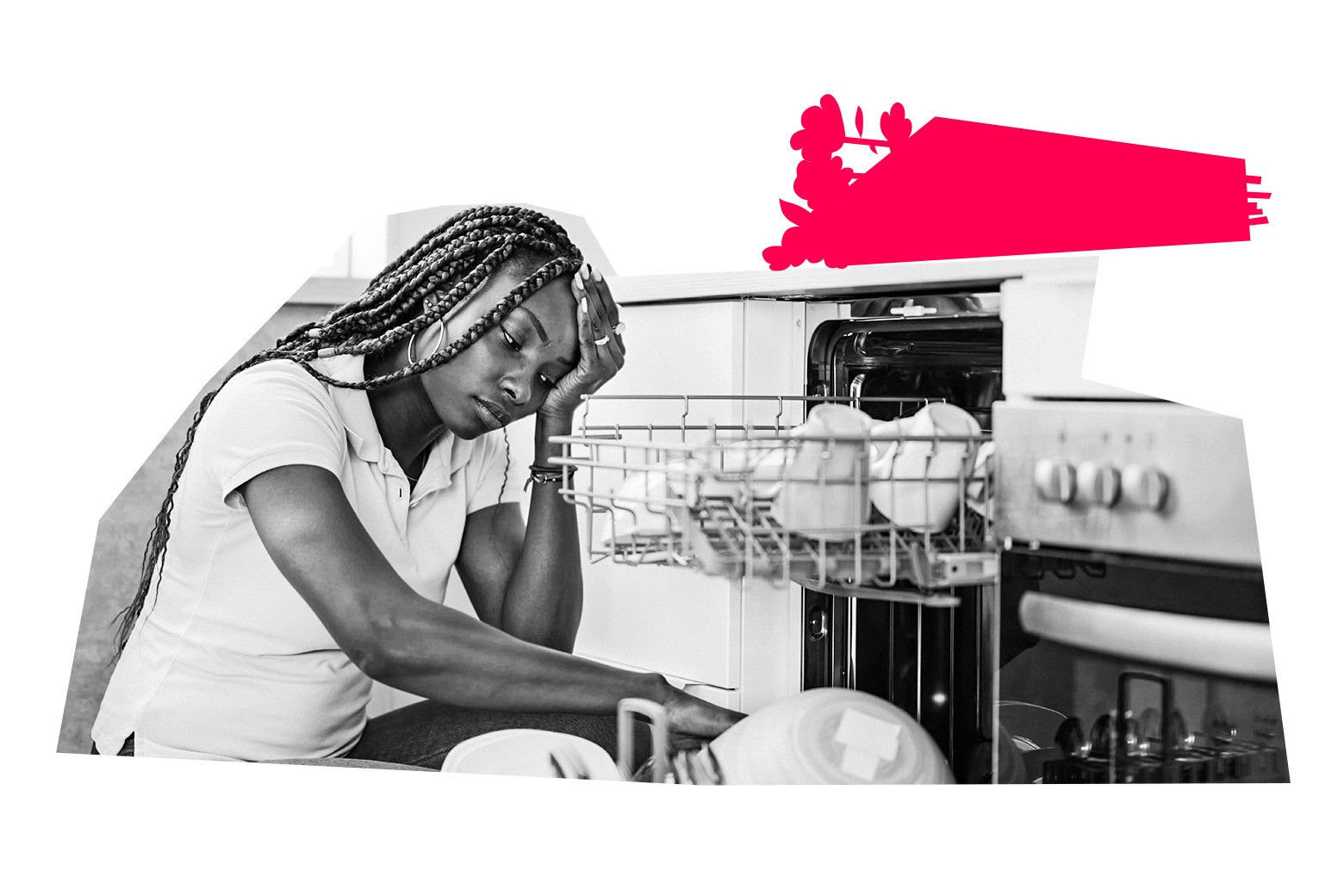
Cover image from slate.com, which was analyzed for this article
Nursing programs and other fields are rapidly adopting generative AI and immersive tools for training. Broader adoption includes logistics and data center planning amid debates over job impacts.
PoliticalOS
Wednesday, May 27, 2026 — Tech
AI tools are moving into classrooms and workplaces faster than institutions are issuing usable rules, and the employment effects remain measured by conflicting indicators rather than settled outcomes. Readers should treat claims of either mass displacement or painless transition as projections until verified counts appear.
What outlets missed
The Axios jobs piece inverted Stanford findings on which sectors saw employment drops, presenting high-exposure declines as low-exposure ones. No outlet supplied independent verification of the specific Altman or Olah quotes used to frame opposing camps. Coverage of healthcare and logistics adoption stayed at the level of summary statements without numbers on scale, cost, or measured outcomes.
Mothers Face Backlash After Expressing Disappointment Over Simple Gifts
A recent advice column has highlighted ongoing tensions in American households around Mother's Day, where one mother of two young children described feeling let down by her husband's efforts despite her own attempts to keep expectations low. The account, shared in a popular online forum, detailed a weekend that included family visits followed by a Mother's Day morning marked by cold takeout, loose flowers on the counter, and a gift card the woman had specifically asked not to receive.
She recounted waking to chaos as her husband tried to manage the toddlers for sports, an area she normally handles. While she attempted to show appreciation at first, later feedback led to an argument where her husband accused her of unrealistic demands and suggested she should have made reservations if she wanted a special outing. The exchange left her stewing in resentment, unsure how much blame fell on either side.
This kind of story reflects broader patterns in many homes today, where working parents juggle demanding schedules and small children without much outside support. The woman in question had spent the prior days with her own mother and then time with her spouse, yet the actual holiday morning unfolded in typical rushed fashion. Her request to avoid a gift card came just days earlier, but the gesture arrived anyway, underscoring how easily signals get crossed amid daily pressures.
Critics of modern family dynamics argue these episodes reveal an imbalance that places heavy emotional loads on men who already handle work, childcare, and household tasks. Rather than clear communication upfront, some spouses default to silent disappointment that erupts later. The husband's response, while heated, pointed to a practical reality: without explicit instructions, even well-meaning partners struggle to read minds during already hectic weekends.
Data from recent years shows rising reports of marital strain tied to holidays and expectations. Surveys indicate many fathers feel caught between providing for their families and meeting shifting standards at home. Traditional approaches once emphasized gratitude for basic efforts like flowers and time together, but cultural shifts have encouraged voicing every unmet desire. This can turn minor oversights into major conflicts, eroding the cooperation needed to raise children successfully.
The couple's situation with toddlers aged two and four mirrors challenges faced by millions of households. Sports schedules, morning routines, and limited downtime leave little room for elaborate plans. The wife noted trying to be appreciative in the moment, yet the lingering feelings suggest deeper issues around appreciation and roles. Observers note that when one partner sets rules like no gift cards but offers no alternatives, the other is left guessing.
Public discussion of such letters often divides along lines of personal responsibility versus systemic complaints. Some see the husband's yelling as unacceptable, while others view the wife's reaction as emblematic of entitlement fostered by advice columns that amplify grievances. In reality, stable families thrive when both sides focus on what works rather than what falls short. Simple gestures like breakfast and flowers represent effort under time constraints, not neglect.
Longer term, repeated cycles of resentment risk damaging the partnership both adults need to navigate parenting. The advice seeker admitted uncertainty over fault distribution, a sign that honest self-assessment might help more than external validation. American families have long managed without perfect holidays, relying instead on consistent daily commitment. Framing every shortfall as a crisis only adds pressure where resilience once prevailed.
Ultimately, these accounts serve as reminders that communication must be direct and expectations grounded in the realities of raising small children. Blaming one side entirely overlooks the shared load. Men and women alike benefit when gratitude comes before critique, preserving the foundation for future years together.
You just read America First's take. Want to read what actually happened?
More in Technology
Trump Pushes Community Dividends to Ease Data Center Backlash
Trump suggested tech companies pay local communities a 'dividend' to gain support for massive AI data centers amid growing backlash over energy use and infrastructure.
Musk Pledges One SpaceX Share to Every U.S. Child
Musk announced plans to distribute one SpaceX share to each of roughly 73 million American children next year, drawing praise from Trump and signaling closer alignment between the two.

Trump Administration Bans DeepSeek AI From Federal Civilian Agencies
Tech stocks rebounded on AI optimism while hyperscalers and firms navigate data center infrastructure, earnings focus, and regulatory scrutiny including bans on certain Chinese AI tools.

Musk Says He Will Give One SpaceX Share to Every US Child
Elon Musk announced plans to distribute one SpaceX share to every American child in 2027, with hints of further giveaways. The pledge drew coverage across outlets amid broader discussions of AI philanthropy and Musk entities.
The Compass
You just read five takes on one story.
What's your take? Find your political shape in a few minutes.
Take the test