
AI False Arrests and Job Automation Spur Calls for Oversight
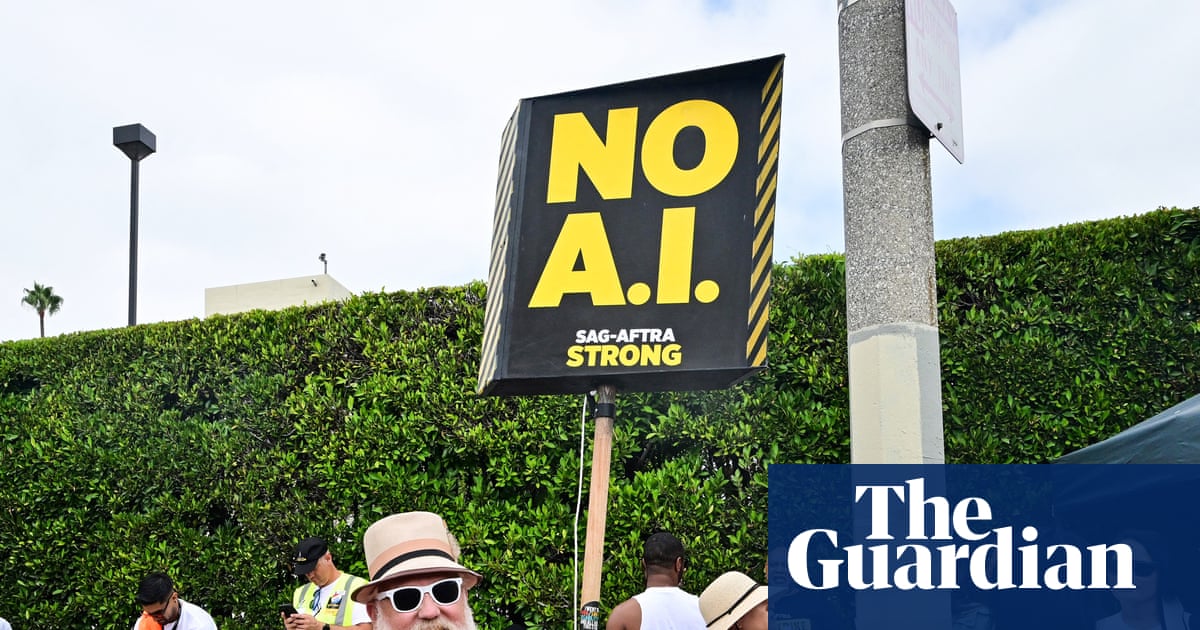
Cover image from theguardian.com, which was analyzed for this article
AI linked to false arrests and wrongful convictions, raising oversight calls. Workers back union policies on AI amid rapid job cuts at Meta, Microsoft. Tech sector pressures grow with geopolitical angles.
PoliticalOS
Tuesday, May 12, 2026 — Tech
AI tools can generate costly errors in policing and employment when probabilistic outputs are acted upon without verification. Workers and some agencies are already negotiating human oversight, yet no uniform standards exist. The central policy choice is how much uncertainty to tolerate before algorithmic suggestions become binding actions.
What outlets missed
Local reporting on the Baltimore County incident showed school safety staff canceled the AI alert before police were called and found no racial bias in the deployment. National coverage of the Tennessee case noted that bail denial and scheduling delays, not the initial AI match alone, extended the detention. Independent polling by Data for Progress recorded lower but still majority support for similar AI worker protections, providing a benchmark absent from the union-commissioned survey. No outlet examined actual performance data from the Omnilert system that correctly flagged firearms in other Maryland schools.
AI Tools Spark Scrutiny Over Errors in Policing and Workplace Rules
Recent incidents involving artificial intelligence in surveillance and hiring decisions have prompted fresh debate over how such systems are deployed, with new polling showing broad worker support for greater union involvement in setting limits. In one case, Baltimore police responded to an alert from an AI-enhanced camera that flagged a Doritos bag as a possible firearm, leading officers to detain and search a 17-year-old student outside his high school. The October 2025 encounter ended without charges after officers found only snack packaging. A separate episode in Tennessee saw a grandmother held for five months on fraud charges after facial recognition software linked her image to crimes in another state she had never visited. She was released in December 2025. Both episodes illustrate how algorithmic outputs, which rely on probability rather than certainty, can trigger real-world enforcement actions when human oversight is limited.
A poll released by the AFL-CIO this month found similar unease among workers about AI's role in employment settings. More than 90 percent of respondents backed requirements that a human make final calls on decisions affecting jobs, while 92 percent favored transparency rules and safeguards against harmful applications. Support remained high even for expanding union organizing rights specifically to counter AI-driven workforce changes, with three-quarters of those surveyed agreeing. The survey, conducted by David Binder Research among 1,588 adults in April, captured sentiment at a time when several unions have already negotiated contract language requiring disclosure of AI use and protections against pay cuts or layoffs tied to automation.
Data from these episodes and surveys point to recurring patterns in how organizations adopt the technology. Law enforcement agencies and private employers often implement AI systems for speed and scale, yet the underlying models depend on training data that can contain gaps or biases. In the Baltimore incident, the camera system misclassified an everyday object under low-light conditions typical of after-school hours. Facial recognition errors, as seen in the Tennessee case, have been documented in multiple jurisdictions when image quality or demographic representation in reference databases falls short. Such technical shortfalls do not disappear simply by adding more rules; they require better calibration and narrower deployment scopes.
Worker attitudes tracked in the poll align with efforts already underway in some industries. Unions representing media and tech employees secured clauses last year that mandate editorial review before AI-generated content is published and bar reductions in staff compensation linked to new tools. These agreements treat AI as one input among many rather than an autonomous decision maker. Employers, meanwhile, continue to cite productivity gains from the same tools, noting that routine tasks such as resume screening or shift scheduling can be completed faster when algorithms handle initial sorting. The tension lies in determining where human judgment adds value versus where it merely slows processes without improving accuracy.
Historical patterns with earlier technologies suggest that outcomes depend heavily on incentives and feedback mechanisms rather than blanket mandates. When organizations face direct costs from mistakes, whether through lawsuits or lost productivity, they tend to refine systems or restrict their use. External pressure from unions or regulators can accelerate that process but also risks entrenching solutions that favor one set of interests over measurable performance. The current polling data shows workers prioritize accountability, yet translating that priority into effective practice will hinge on concrete testing and adjustment rather than broad policy declarations alone.
You just read Conservative's take. Want to read what actually happened?
More in Technology
Trump Pushes Community Dividends to Ease Data Center Backlash
Trump suggested tech companies pay local communities a 'dividend' to gain support for massive AI data centers amid growing backlash over energy use and infrastructure.
Musk Pledges One SpaceX Share to Every U.S. Child
Musk announced plans to distribute one SpaceX share to each of roughly 73 million American children next year, drawing praise from Trump and signaling closer alignment between the two.

Trump Administration Bans DeepSeek AI From Federal Civilian Agencies
Tech stocks rebounded on AI optimism while hyperscalers and firms navigate data center infrastructure, earnings focus, and regulatory scrutiny including bans on certain Chinese AI tools.

Musk Says He Will Give One SpaceX Share to Every US Child
Elon Musk announced plans to distribute one SpaceX share to every American child in 2027, with hints of further giveaways. The pledge drew coverage across outlets amid broader discussions of AI philanthropy and Musk entities.
The Compass
You just read five takes on one story.
What's your take? Find your political shape in a few minutes.
Take the test