
AI False Arrests and Job Automation Spur Calls for Oversight
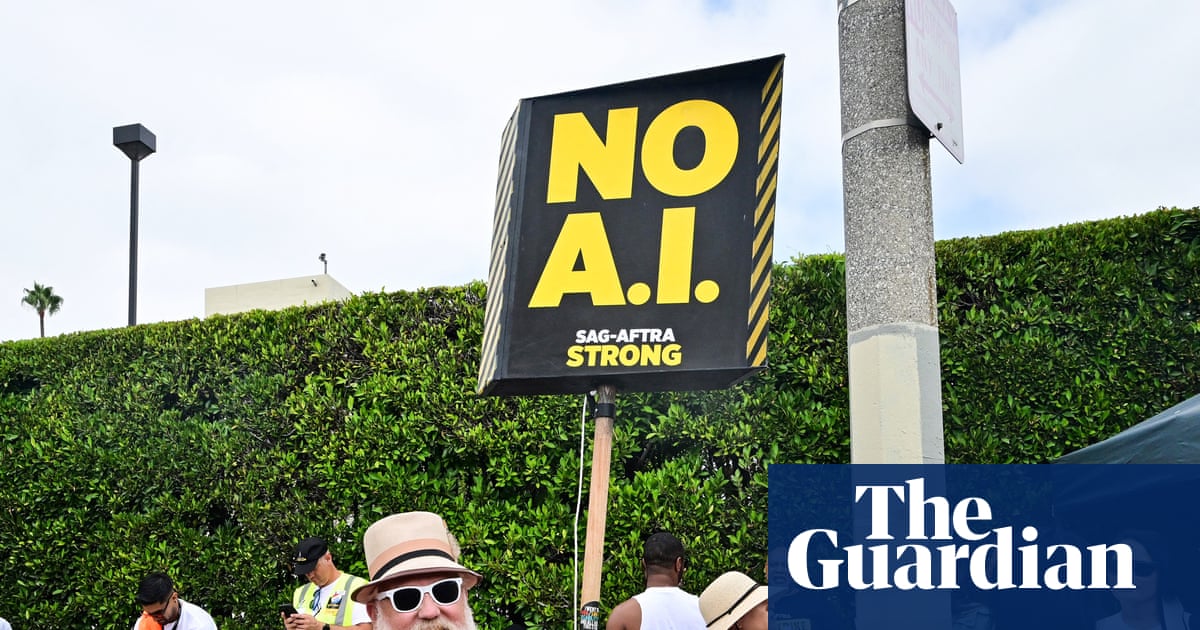
Cover image from theguardian.com, which was analyzed for this article
AI linked to false arrests and wrongful convictions, raising oversight calls. Workers back union policies on AI amid rapid job cuts at Meta, Microsoft. Tech sector pressures grow with geopolitical angles.
PoliticalOS
Tuesday, May 12, 2026 — Tech
AI tools can generate costly errors in policing and employment when probabilistic outputs are acted upon without verification. Workers and some agencies are already negotiating human oversight, yet no uniform standards exist. The central policy choice is how much uncertainty to tolerate before algorithmic suggestions become binding actions.
What outlets missed
Local reporting on the Baltimore County incident showed school safety staff canceled the AI alert before police were called and found no racial bias in the deployment. National coverage of the Tennessee case noted that bail denial and scheduling delays, not the initial AI match alone, extended the detention. Independent polling by Data for Progress recorded lower but still majority support for similar AI worker protections, providing a benchmark absent from the union-commissioned survey. No outlet examined actual performance data from the Omnilert system that correctly flagged firearms in other Maryland schools.
AI Tech Turns Ordinary Americans Into Targets of Police and Corporate Power
A Baltimore high school student named Taki Allen found himself face down on the pavement last October after an AI surveillance camera mistook a bag of Doritos in his pocket for a firearm. Police arrived with guns drawn, forced the 17-year-old to his knees, and handcuffed him before discovering the truth. The same pattern played out for Angela Lipps, a Tennessee grandmother arrested at gunpoint while babysitting because facial recognition software linked her to crimes in a state she had never visited. She spent five months in jail before release. These incidents reveal a growing reliance on imperfect algorithms that treat probability as certainty and leave real people paying the price.
The technology behind such errors is sold as advanced and objective, yet it routinely produces false positives that escalate into traumatic encounters with law enforcement. In Allen's case, the camera system operated in a school setting where officials had already embraced automated monitoring. For Lipps, the software connected unrelated data without basic checks for accuracy or alibis. Both situations show how quickly machine outputs override human judgment when authorities prioritize speed and supposed efficiency over caution. Workers across the country are noticing the same dynamic in their own jobs, where companies deploy AI to monitor performance, screen applicants, and even decide terminations.
A recent poll conducted for the AFL-CIO found that more than nine in ten respondents want a human to make the final call on any employment decision involving AI. Ninety-two percent backed strict limits on harmful workplace uses of the technology along with requirements for transparency when employers adopt it. Support remained high even for measures that expand union organizing rights specifically to counter AI-driven job losses. These views cut across demographics and reflect widespread doubt that corporate developers have ordinary employees' interests at heart.
The pattern is familiar. Tech firms promote their tools as neutral upgrades that reduce costs and improve outcomes, yet the record shows repeated failures that hit working families hardest. False arrests disrupt lives and erode trust in institutions meant to protect the public. In workplaces, AI systems can flag legitimate activity as suspicious or replace experienced staff with cheaper automated processes that still require human cleanup. When errors occur, accountability often lands on the individual rather than the company that sold the flawed product.
Unions have begun negotiating explicit safeguards in contracts, including rules against using AI to cut pay or staff and requirements to disclose when algorithms influence editorial or operational choices. These efforts come as companies continue marketing AI as an inevitable force that workers must simply accept. The public response suggests many see through that framing. They want guardrails that keep decision-making power with people who understand context, not distant programmers or executives chasing quarterly gains.
Law enforcement agencies face similar pressure to verify AI alerts before acting, especially in sensitive environments like schools and neighborhoods already strained by over-policing. Without those checks, tools designed for convenience risk turning routine moments into criminal records. The broader lesson from both the street-level arrests and the workplace polling is that technology sold as progress still depends on human oversight to avoid harming the very citizens it claims to serve.
You just read America First's take. Want to read what actually happened?
More in Technology
Trump Pushes Community Dividends to Ease Data Center Backlash
Trump suggested tech companies pay local communities a 'dividend' to gain support for massive AI data centers amid growing backlash over energy use and infrastructure.
Musk Pledges One SpaceX Share to Every U.S. Child
Musk announced plans to distribute one SpaceX share to each of roughly 73 million American children next year, drawing praise from Trump and signaling closer alignment between the two.

Trump Administration Bans DeepSeek AI From Federal Civilian Agencies
Tech stocks rebounded on AI optimism while hyperscalers and firms navigate data center infrastructure, earnings focus, and regulatory scrutiny including bans on certain Chinese AI tools.

Musk Says He Will Give One SpaceX Share to Every US Child
Elon Musk announced plans to distribute one SpaceX share to every American child in 2027, with hints of further giveaways. The pledge drew coverage across outlets amid broader discussions of AI philanthropy and Musk entities.
The Compass
You just read five takes on one story.
What's your take? Find your political shape in a few minutes.
Take the test