
AI False Arrests and Job Automation Spur Calls for Oversight
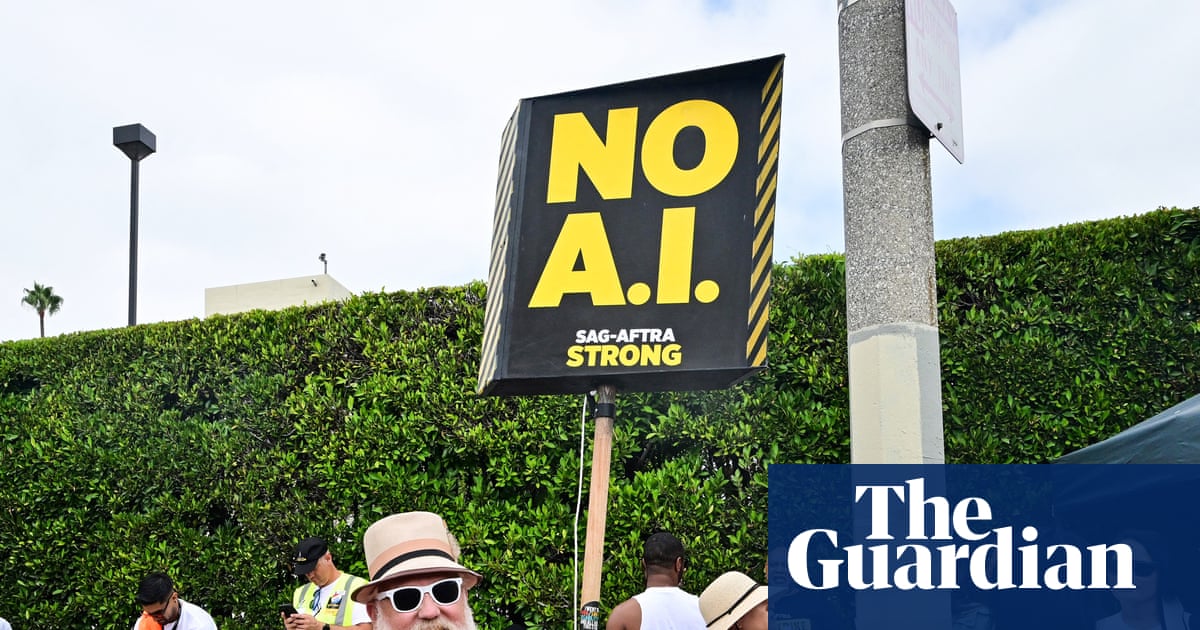
Cover image from theguardian.com, which was analyzed for this article
AI linked to false arrests and wrongful convictions, raising oversight calls. Workers back union policies on AI amid rapid job cuts at Meta, Microsoft. Tech sector pressures grow with geopolitical angles.
PoliticalOS
Tuesday, May 12, 2026 — Tech
AI tools can generate costly errors in policing and employment when probabilistic outputs are acted upon without verification. Workers and some agencies are already negotiating human oversight, yet no uniform standards exist. The central policy choice is how much uncertainty to tolerate before algorithmic suggestions become binding actions.
What outlets missed
Local reporting on the Baltimore County incident showed school safety staff canceled the AI alert before police were called and found no racial bias in the deployment. National coverage of the Tennessee case noted that bail denial and scheduling delays, not the initial AI match alone, extended the detention. Independent polling by Data for Progress recorded lower but still majority support for similar AI worker protections, providing a benchmark absent from the union-commissioned survey. No outlet examined actual performance data from the Omnilert system that correctly flagged firearms in other Maryland schools.
AI Errors Fuel False Arrests While Workers Push for Union Oversight of Surveillance Tools
A 17-year-old student in Baltimore was forced to his knees at gunpoint last October after an AI-enhanced camera mistook the Doritos bag in his pocket for a firearm. Police arrived within minutes, searched the teen and found only a crumpled bag of chips. Five months later a Tennessee grandmother was released from jail after facial recognition software wrongly linked her to fraud charges in a state she had never visited. She had been arrested at gunpoint while babysitting her grandchildren.
These cases are not isolated glitches. They illustrate how AI systems sold as objective tools routinely produce false positives that destroy lives, particularly when deployed by police departments eager to cut corners. The algorithms generate probabilities rather than facts, yet officers often treat the outputs as definitive evidence. The result is a pattern of traumatic encounters that fall hardest on young people and communities already over-policed.
The same technology is rapidly entering workplaces, where employers are using AI for hiring, scheduling, performance monitoring and even disciplinary decisions. A new AFL-CIO poll of more than 1,500 workers found overwhelming public demand for safeguards. Ninety-five percent of respondents said a human must remain the final decision-maker on any issue affecting employment. Ninety-two percent called for strict guardrails against harmful uses of AI and for full transparency when employers deploy the tools.
Support crossed demographic lines. Even policies that expand union organizing rights to counter AI-driven job losses drew backing from three-quarters of those surveyed. Workers understand that once companies can claim AI has made a decision, accountability evaporates. A single erroneous facial-recognition match can now lead to arrest; the same flawed logic inside a workplace can lead to lost wages or termination with little recourse.
Labor unions have already begun negotiating concrete limits. Contracts won in recent years require disclosure of when and how AI is used, bar reductions in pay or staffing tied to automation, and preserve editorial or professional standards where algorithms might otherwise replace human judgment. These gains remain exceptions. Most workers still lack any voice in how the systems operate.
The through-line between street-level surveillance and workplace monitoring is corporate and governmental eagerness to treat AI outputs as neutral and infallible. That assumption has already produced handcuffed teenagers and jailed grandmothers. Without enforceable human oversight and union-negotiated protections, the same errors will scale into hiring blacklists, automated firings and expanded digital policing. The poll numbers show the public is not waiting for another high-profile failure before demanding change.
You just read Progressive's take. Want to read what actually happened?
More in Technology
Trump Pushes Community Dividends to Ease Data Center Backlash
Trump suggested tech companies pay local communities a 'dividend' to gain support for massive AI data centers amid growing backlash over energy use and infrastructure.
Musk Pledges One SpaceX Share to Every U.S. Child
Musk announced plans to distribute one SpaceX share to each of roughly 73 million American children next year, drawing praise from Trump and signaling closer alignment between the two.

Trump Administration Bans DeepSeek AI From Federal Civilian Agencies
Tech stocks rebounded on AI optimism while hyperscalers and firms navigate data center infrastructure, earnings focus, and regulatory scrutiny including bans on certain Chinese AI tools.

Musk Says He Will Give One SpaceX Share to Every US Child
Elon Musk announced plans to distribute one SpaceX share to every American child in 2027, with hints of further giveaways. The pledge drew coverage across outlets amid broader discussions of AI philanthropy and Musk entities.
The Compass
You just read five takes on one story.
What's your take? Find your political shape in a few minutes.
Take the test