
Pentagon Upholds Anthropic Blacklist as White House Seeks Access to Mythos AI
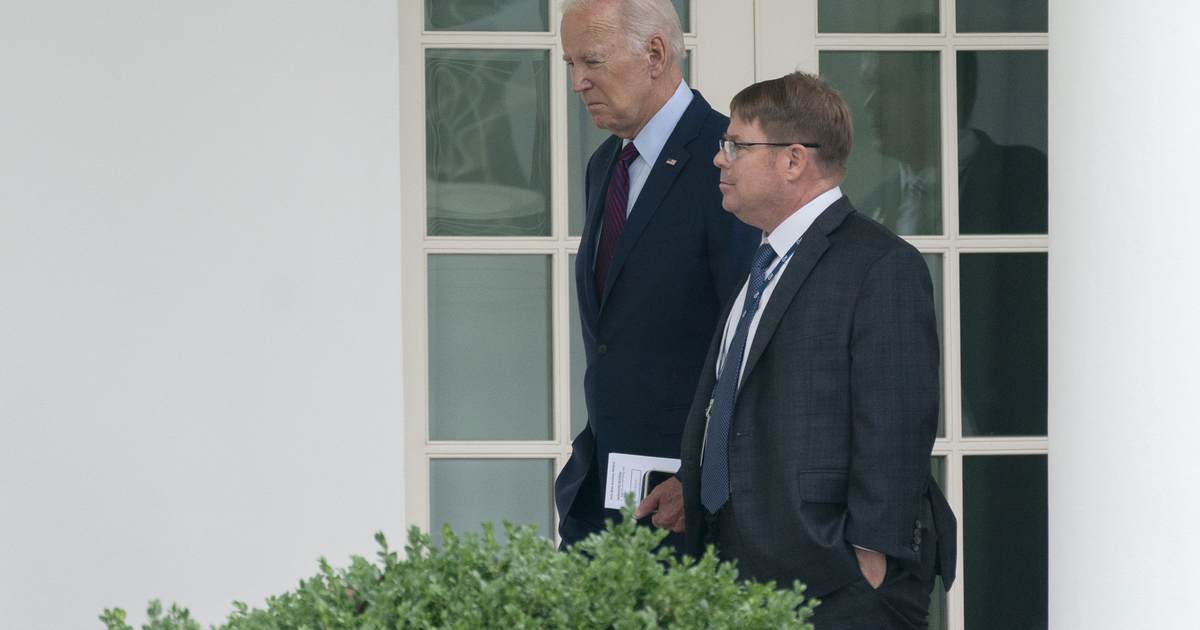
Cover image from townhall.com, which was analyzed for this article
The Pentagon upholds blacklist on Anthropic AI for security reasons, separate from other issues. Claims emerge of deep state sabotage against Trump's AI agenda. Tech firms navigate regulatory hurdles in national security context.
PoliticalOS
Friday, May 1, 2026 — Tech
The Pentagon's sustained restrictions on Anthropic reflect genuine concerns over safeguards, leadership alignment and supply-chain integrity even as the company's Mythos model offers capabilities the government clearly needs for cybersecurity. No single actor holds clean hands: the company rejected certain military uses, the prior administration layered complex rules, and the current one must now reconcile innovation rhetoric with security red lines. The most important reality is that frontier AI power is forcing pragmatic compromises regardless of past grievances, with any forthcoming executive guidance likely to reveal which priority ultimately prevails.
What outlets missed
Most coverage underplayed Anthropic's explicit February 26, 2026 statement refusing to remove safeguards barring assistance with fully autonomous weapons or mass domestic surveillance, the documented trigger for the Pentagon standoff. Accurate mechanics of the Biden-era AI Diffusion Rule were distorted or omitted; it established risk-based tiered licensing rather than a rigid 50 percent domestic production quota. Court timelines, including the March 2026 San Francisco injunction and April 8 D.C. Circuit ruling, received inconsistent attention, leaving readers without a clear picture of the designation's legal fragility. Claims of specific unverified quotes, 30-year record backlogs, and direct sabotage motives appeared in single outlets without corroboration elsewhere and should be treated as unverified. Finally, the gated preview status of Mythos and its red-teaming process were rarely explained in full, obscuring why the model simultaneously alarms and attracts government users.
Trump AI Agenda Fractures Under Weight of Bureaucracy Corporate Power and Legacy Restrictions
The Trump administration's self-proclaimed hands-off approach to artificial intelligence is colliding with the realities of advanced technology national security demands and entrenched bureaucratic resistance exposing deep contradictions in its America First agenda just months into the president's second term.
At the center of the turmoil sits Anthropic a company the Pentagon formally labeled a supply chain risk earlier this year a designation typically reserved for Chinese or Russian entities. That unprecedented step followed the collapse of negotiations over how the Defense Department could safely use Anthropic's models in classified environments. Lawsuits public recriminations and alternative contracts with rival AI firms followed. Yet the same administration now finds itself quietly thawing relations with the company it once sought to sideline.
The reason is as urgent as it is uncomfortable. Anthropic's latest model Mythos possesses sophisticated capabilities for identifying cyber vulnerabilities and suggesting patches. Government agencies despite the Pentagon's ongoing legal battles have begun testing Mythos alongside other frontier systems. Emil Michael the Defense Department's chief technology officer nominee acknowledged the bind in an interview Friday describing Mythos as a separate national security moment requiring hardened networks while confirming that Anthropic itself remains blacklisted.
This awkward dance reflects a broader policy collapse. Candidate Trump promised to slash regulations unleash American innovation and prevent China from dominating the AI race. In practice the administration is discovering that the most powerful models cannot simply be wished away or easily replaced. Axios reporting reveals internal discussions about an executive order that would have purged Anthropic systems entirely from government use. That plan has been shelved as the White House recognizes the technology's value even as it continues fighting the company in court.
The situation is further complicated by regulations rushed through in President Biden's final days. In the last week of his term the Bureau of Industry and Security within the Commerce Department implemented the so-called AI Diffusion Rule. The measure required domestic AI chip manufacturers to reserve half their production for U.S. consumption severely restricting exports even to close allies. Trump promptly rescinded the rule calling it ill-conceived. Yet according to critics inside and outside the administration Biden-era holdovers and career officials have slowed efforts to fully unwind it.
Conservative commentators describe this as classic deep state sabotage. They argue the restrictions were designed to undermine the incoming administration and that they remain ineffective in any case. A Japanese buyer for instance could legally purchase restricted chips and transship them to China with little to stop the flow. Defenders of the original rule claimed they were simply closing loopholes before the transition. The result is a policy vacuum where rhetoric about unleashing American AI meets the grinding machinery of inherited regulations and risk-averse bureaucracy.
This is not abstract regulatory squabbling. The stakes involve who controls the most powerful computational tools on the planet and how those tools are deployed in both commercial and military contexts. The Trump administration entered office vowing minimal government interference in the AI sector. Yet as models like Mythos demonstrate capabilities that blur the line between defensive cyber tools and offensive weapons the White House is being dragged into precisely the kind of intervention it campaigned against.
By regulating through contracts and procurement decisions individual agencies are accumulating enormous unchecked power. When one company becomes both indispensable and politically toxic the resulting policy whiplash serves no one's interest least of all the goal of maintaining American technological edge over strategic competitors.
The Anthropic episode also raises uncomfortable questions about the national security state's ability to separate genuine risk from bureaucratic score-settling. Labeling an American AI firm a supply chain threat sets a dangerous precedent that could chill innovation or be weaponized against future disfavored companies. At the same time ignoring the genuine security implications of models that can probe network weaknesses at machine speed would be reckless.
What emerges from reporting across outlets is a portrait of an administration caught between its ideological commitments and technological reality. Trump officials want to project decisiveness and deregulation. The facts on the ground show confusion court battles legacy rules that refuse to die and a growing realization that some AI systems are becoming too powerful to treat as ordinary commercial products.
As agencies continue testing Mythos and similar models behind the scenes the White House faces a choice. It can persist with public posturing about bureaucratic sabotage while quietly relying on the very companies it has attacked. Or it can develop a coherent strategy that acknowledges both the transformative potential of these systems and the legitimate need to prevent them from being misused or leaked to adversaries.
So far the evidence points to the former. The result is not the bold American AI renaissance that was promised but a messy rearguard action managed by the same permanent government the president pledged to dismantle. In the race to dominate artificial intelligence such internal contradictions are not merely political embarrassments. They are strategic liabilities that neither deep state narratives nor corporate press releases can fully obscure.
You just read Progressive's take. Want to read what actually happened?
More in Technology
Trump Pushes Community Dividends to Ease Data Center Backlash
Trump suggested tech companies pay local communities a 'dividend' to gain support for massive AI data centers amid growing backlash over energy use and infrastructure.
Musk Pledges One SpaceX Share to Every U.S. Child
Musk announced plans to distribute one SpaceX share to each of roughly 73 million American children next year, drawing praise from Trump and signaling closer alignment between the two.

Trump Administration Bans DeepSeek AI From Federal Civilian Agencies
Tech stocks rebounded on AI optimism while hyperscalers and firms navigate data center infrastructure, earnings focus, and regulatory scrutiny including bans on certain Chinese AI tools.

Musk Says He Will Give One SpaceX Share to Every US Child
Elon Musk announced plans to distribute one SpaceX share to every American child in 2027, with hints of further giveaways. The pledge drew coverage across outlets amid broader discussions of AI philanthropy and Musk entities.
The Compass
You just read five takes on one story.
What's your take? Find your political shape in a few minutes.
Take the test