
Liberals and Conservatives Unite to Block AI Data Centers
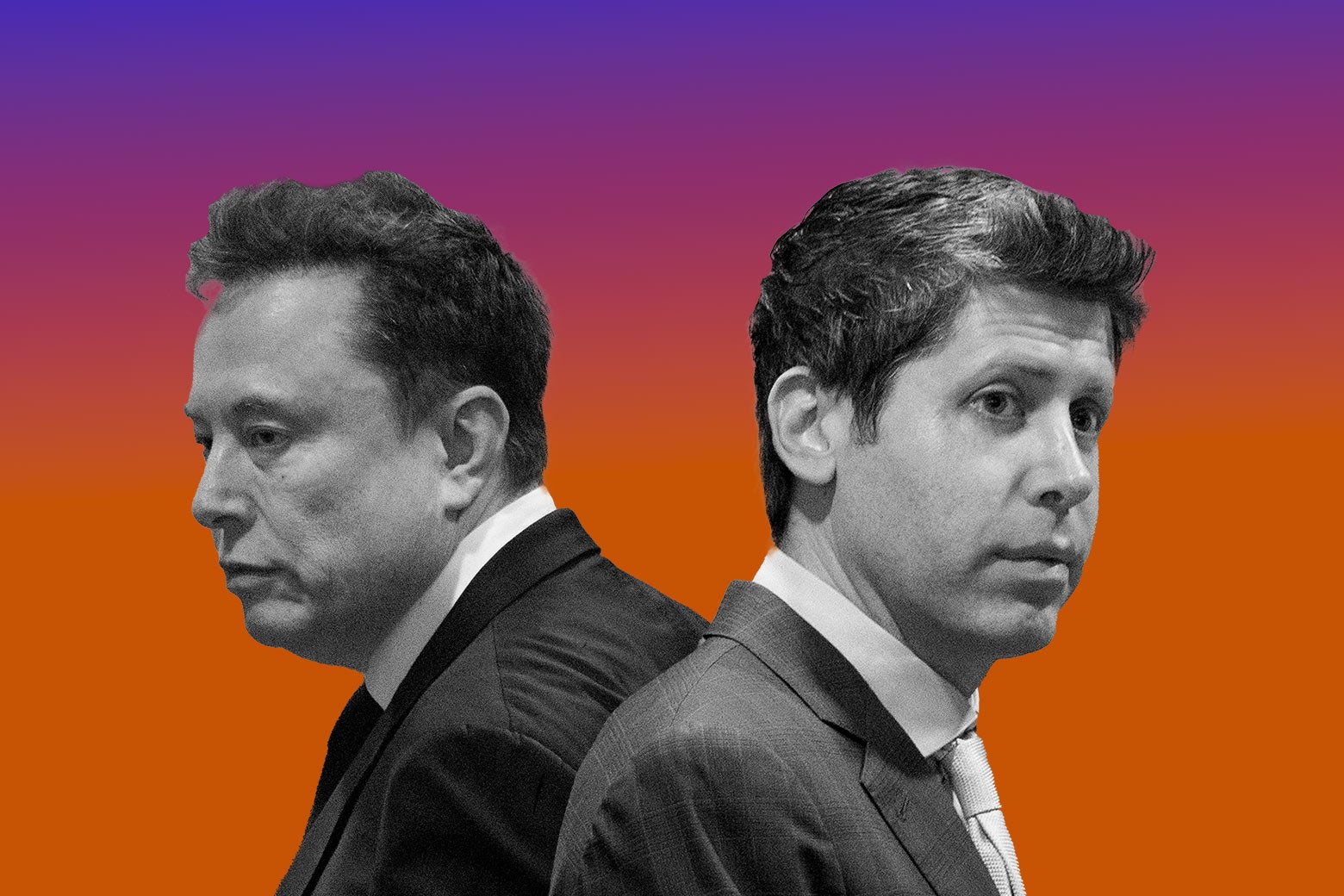
Cover image from slate.com, which was analyzed for this article
Liberals and conservatives oppose new hyperscale AI data centers due to energy demands and land use, per polls. Resistance grows in states like Michigan against tech infrastructure boom. AI investments clash with community concerns.
PoliticalOS
Friday, May 1, 2026 — Tech
The AI boom's physical footprint has created an unexpected bipartisan revolt in communities asked to host massive data centers. Residents across political lines cite higher energy costs, land consumption, secrecy and limited permanent jobs, forcing politicians to confront trade-offs that national rhetoric about innovation often ignores. How lawmakers balance these local concerns with the industry's growth will shape both 2026 elections and the regulatory environment for AI itself.
What outlets missed
Most coverage omitted detailed comparisons between promised construction jobs and the far smaller number of permanent positions that remain once centers operate, a discrepancy that explains much resident skepticism. Outlets also underreported the scale of blocked or delayed projects nationwide, with one tracker estimating more than $64 billion affected across 28 states. Coverage gave limited attention to the specific mechanics of state tax incentives that accelerated proposals while leaving townships without resources to evaluate them. Redacted utility contracts and their legal challenges received only passing mention despite revealing deeper transparency problems. Finally, few connected the local land-use fights to parallel national debates over AI safety legislation and high-stakes primary spending, leaving readers without the full picture of how physical infrastructure disputes are reshaping both local and federal policy.
Tech Billionaires Intensify Proxy Fight Over Artificial Intelligence Regulation
A high-stakes contest over how or whether to regulate artificial intelligence is drawing in rival billionaires, courtroom drama, and an unusual bipartisan revolt against the sprawling data centers that power the technology. The developments, unfolding this week, illustrate how quickly the AI debate has moved from abstract policy papers to concrete political spending, legal warfare, and neighborhood pushback.
In New York, cryptocurrency investor Chris Larsen said he will spend $3.5 million to bolster Democratic House candidate Alex Bores, a state assemblyman who helped write AI regulatory legislation that passed in Albany. Bores has faced sustained advertising attacks from a super PAC aligned with OpenAI. Larsen, who built his fortune at Ripple Labs, described those ads as “really despicable.” The Manhattan primary is rapidly becoming one of the most expensive in the country for a Democratic congressional seat, turning a local race into a proxy battle between camps with sharply different visions for AI oversight.
OpenAI, led by Sam Altman, has publicly called for modest federal rules that protect “freedom to innovate” while resisting stricter state-by-state measures. The company and its allies argue that heavy regulation risks locking in advantages for those firms already ahead, slowing the very progress that has produced rapid gains in language models, image generation, and scientific tools. That position puts OpenAI at odds with advocates like Bores who favor more immediate and localized guardrails on deployment, data usage, and safety testing.
The corporate and regulatory maneuvering gained a sharper edge with news that Elon Musk has taken Altman to court. Musk, who co-founded OpenAI before leaving and later launching his own xAI venture, has long criticized the company’s evolution from a nonprofit research outfit into a capped-profit enterprise with Microsoft ties. The lawsuit, details of which remain under seal in parts, centers on questions of fiduciary duty, original mission, and competitive practices. Musk’s critics call the suit sour grapes; his supporters see it as a necessary check on an organization that now wields enormous influence over both technology and the rules that will govern it.
While executives and billionaires battle in boardrooms and courthouses, ordinary citizens are registering their own verdict on the ground. In Michigan townships such as Lyon and Saline, residents have packed local meetings to oppose hyperscale data centers proposed for their communities. The objections cross traditional political lines. At one recent gathering, attendees compared a planned 1.8-million-square-foot facility to thirty-two NFL football fields. They cited increased truck traffic, constant low-frequency noise documented at similar sites, threats to endangered bat habitats, and the massive electricity draw that could strain regional power supplies.
Polls now show this resistance is strikingly bipartisan. Rural conservatives worry about the industrialization of farmland and the visual transformation of once-quiet landscapes. Urban and suburban liberals emphasize sustainability, water usage for cooling systems, and whether the economic benefits touted by developers actually materialize for local workers rather than distant shareholders. The convergence is rare in an otherwise polarized country. It suggests that when abstract promises of artificial intelligence meet the tangible requirements of land, energy, and infrastructure, many Americans grow skeptical.
That skepticism matters because data centers are not optional extras; they are the physical backbone of frontier AI. Training and operating today’s most advanced models requires clusters of specialized chips running continuously, often consuming as much electricity as small cities. If local opposition, zoning delays, or environmental litigation slow construction, the pace of AI development itself could moderate regardless of what Congress ultimately decides. Industry executives have warned that America risks ceding technological leadership to countries with fewer scruples about building such facilities.
The current collision of interests reveals a deeper tension. On one side are those who believe rapid innovation, even with its risks, has delivered historic productivity gains and will continue to do so if not smothered by premature rules written by officials who rarely understand the underlying technology. On the other are voices arguing that the speed of change itself justifies precautionary legislation and that the public should not be asked to absorb noise, higher energy costs, and altered communities without clearer consent.
Larsen’s decision to counter OpenAI’s political spending with his own substantial resources underscores how personal fortunes earned in lightly regulated digital domains are now being deployed to shape the rules for the next domain. Musk’s lawsuit adds another layer, suggesting that even inside the elite circle of AI founders, trust has broken down over questions of control, profit motives, and long-term safety.
For now, the battle remains fluid. New York’s expensive primary will test whether voters reward candidates associated with tighter AI rules or punish them for inviting industry blowback. Michigan’s town halls will determine whether data centers can be built at the scale AI ambitions require. And the Musk-Altman litigation will likely drag on, offering a public window into the personalities and incentives driving a technology that already touches commerce, media, medicine, and national security.
What unites these disparate fronts is a recognition that artificial intelligence is no longer a laboratory curiosity. It is becoming infrastructure, with all the political friction infrastructure inevitably creates. How that friction resolves will help decide whether the United States maintains its lead in a field many believe will define economic and military power for the next generation, or whether caution, local vetoes, and regulatory complexity slow the very engine of innovation that produced it.
You just read Conservative's take. Want to read what actually happened?
More in Technology
Trump Pushes Community Dividends to Ease Data Center Backlash
Trump suggested tech companies pay local communities a 'dividend' to gain support for massive AI data centers amid growing backlash over energy use and infrastructure.
Musk Pledges One SpaceX Share to Every U.S. Child
Musk announced plans to distribute one SpaceX share to each of roughly 73 million American children next year, drawing praise from Trump and signaling closer alignment between the two.

Trump Administration Bans DeepSeek AI From Federal Civilian Agencies
Tech stocks rebounded on AI optimism while hyperscalers and firms navigate data center infrastructure, earnings focus, and regulatory scrutiny including bans on certain Chinese AI tools.

Musk Says He Will Give One SpaceX Share to Every US Child
Elon Musk announced plans to distribute one SpaceX share to every American child in 2027, with hints of further giveaways. The pledge drew coverage across outlets amid broader discussions of AI philanthropy and Musk entities.
The Compass
You just read five takes on one story.
What's your take? Find your political shape in a few minutes.
Take the test