
Liberals and Conservatives Unite to Block AI Data Centers
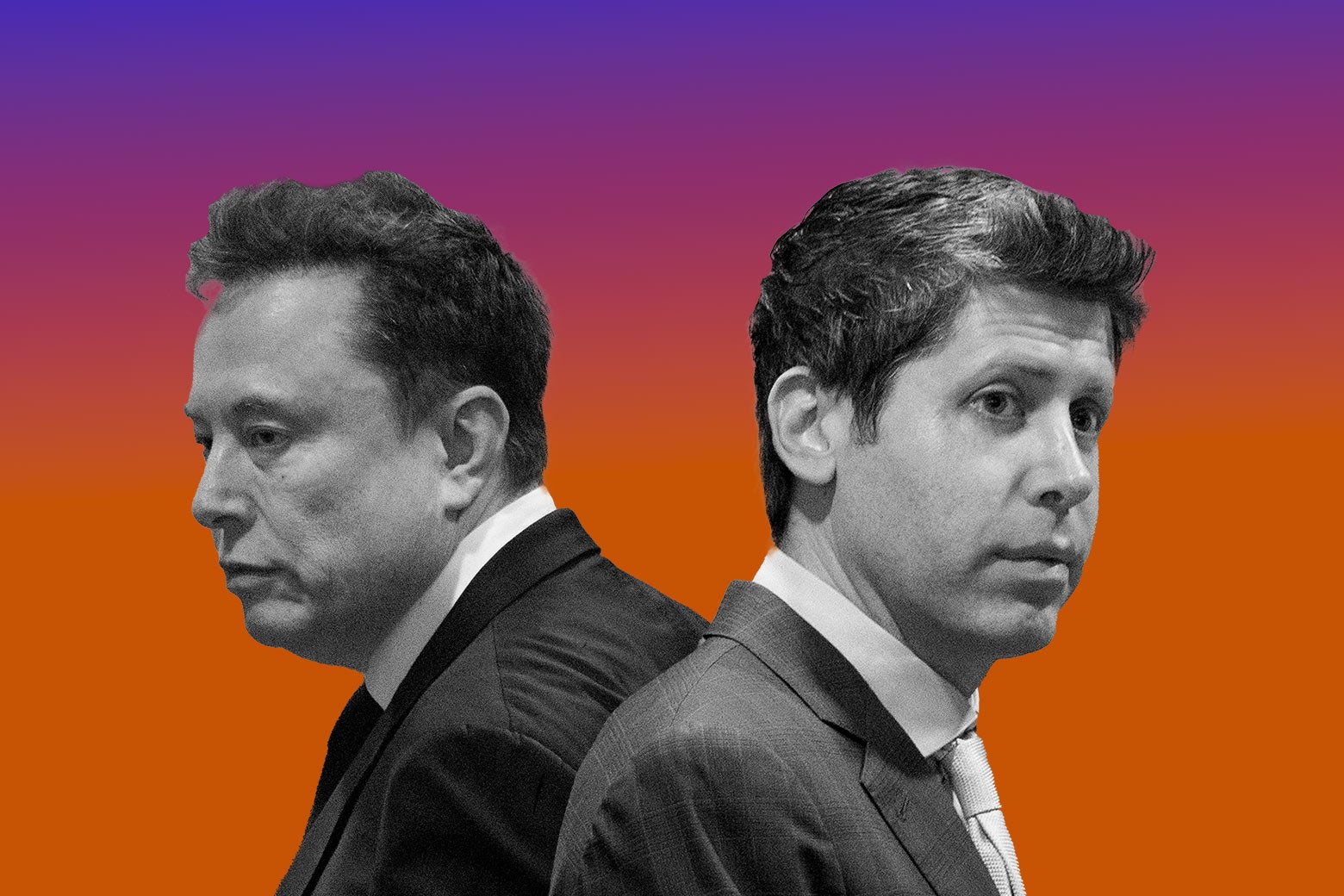
Cover image from slate.com, which was analyzed for this article
Liberals and conservatives oppose new hyperscale AI data centers due to energy demands and land use, per polls. Resistance grows in states like Michigan against tech infrastructure boom. AI investments clash with community concerns.
PoliticalOS
Friday, May 1, 2026 — Tech
The AI boom's physical footprint has created an unexpected bipartisan revolt in communities asked to host massive data centers. Residents across political lines cite higher energy costs, land consumption, secrecy and limited permanent jobs, forcing politicians to confront trade-offs that national rhetoric about innovation often ignores. How lawmakers balance these local concerns with the industry's growth will shape both 2026 elections and the regulatory environment for AI itself.
What outlets missed
Most coverage omitted detailed comparisons between promised construction jobs and the far smaller number of permanent positions that remain once centers operate, a discrepancy that explains much resident skepticism. Outlets also underreported the scale of blocked or delayed projects nationwide, with one tracker estimating more than $64 billion affected across 28 states. Coverage gave limited attention to the specific mechanics of state tax incentives that accelerated proposals while leaving townships without resources to evaluate them. Redacted utility contracts and their legal challenges received only passing mention despite revealing deeper transparency problems. Finally, few connected the local land-use fights to parallel national debates over AI safety legislation and high-stakes primary spending, leaving readers without the full picture of how physical infrastructure disputes are reshaping both local and federal policy.
Musk and Altman Escalate Their Power Struggle as Ordinary Americans Reject AI Data Centers
Elon Musk has taken Sam Altman to court in what insiders describe as a sharpening clash between two of the most powerful figures in Silicon Valley. The legal move comes as the artificial intelligence industry finds itself embroiled in political warfare and facing an unexpected revolt from communities across the country that are being asked to host the massive infrastructure powering these technologies.
At the center of the political fight is a New York congressional race that has become a proxy battle over how much government should restrain AI development. Chris Larsen, the California-based billionaire behind crypto firm Ripple Labs, announced plans to spend $3.5 million to support Alex Bores, a state assemblyman and Democratic candidate who co-authored legislation regulating artificial intelligence that passed in New York. Larsen described attack ads against Bores from a super PAC aligned with OpenAI as “really despicable.”
The industry pushback against Bores makes sense from their perspective. OpenAI has advocated for light-touch federal rules that preserve what it calls the “freedom to innovate” while resisting stricter measures at the state level. The company and its allies appear determined to make an example of any politician who tries to slow the AI train. Larsen’s heavy spending has turned what was already an expensive Democratic primary into one of the costliest House races in the country, with tech money flowing freely to shape outcomes that will affect regulation for years to come.
This elite infighting occurs against a backdrop of growing public skepticism that spans traditional political divides. In Lyon Township, Michigan, and similar communities nationwide, liberals and conservatives have united in opposition to the construction of hyperscale data centers. These facilities, essential to training and running advanced AI models, are enormous consumers of electricity and water. They generate constant noise, increase traffic, and transform rural and suburban landscapes in ways many residents find unacceptable.
At a recent town board meeting in Lyon Township, which voted for Donald Trump in 2024, the agenda item about a drainage easement drew a packed house focused instead on a proposed 1.8-million-square-foot data center. One resident noted that the project equals roughly 32 NFL football fields in size. Others raised concerns about impacts on local wildlife, including habitats for endangered bats, potential strain on the power grid, and the industrial hum that has plagued similar sites. A woman played recordings of noise from an existing data center elsewhere in Michigan, prompting audible frustration from the crowd. When board members tried to enforce time limits, speakers pushed back forcefully.
Polls now show this resistance is profoundly bipartisan. Americans have soured on data centers regardless of whether they live in red or blue areas. The projects promise economic benefits but often deliver relatively few permanent jobs compared with their physical scale and resource demands. In an age when nearly everything else divides the country, from vehicles to entertainment choices, data centers have created rare common ground between environmentalists worried about energy consumption and working families tired of watching their communities turned into industrial parks for distant tech profits.
The Musk-Altman courtroom drama adds another layer to this story. Musk has long expressed concerns about unchecked artificial intelligence development, at times warning that the technology poses existential risks if not properly guided. His companies pursue aggressive AI efforts while positioning themselves as alternatives to what he views as the more reckless path taken by OpenAI. Altman, meanwhile, has become the public face of rapid commercialization, traveling widely to promote his vision and secure partnerships. Their rivalry reflects deeper tensions within the industry about control, safety, and who ultimately decides how this transformative technology evolves.
What connects these threads is a growing realization that AI is not an abstract concept confined to Silicon Valley server rooms. It requires physical infrastructure that imposes real costs on communities far from the boardrooms where fortunes are made. Crypto billionaire Larsen inserting himself into a New York House race to counter OpenAI’s influence demonstrates how personal fortunes are now being deployed to steer policy. Yet the scenes from Michigan town halls suggest that voters may not be content to let billionaires, whether from San Francisco or Silicon Valley, determine the trade-offs without their input.
Residents like Ryan Wagner, who has joined forces with Democrat Mitch Distin in anti-data center efforts, illustrate how the issue transcends party labels. Their cooperation points to a populist undercurrent: skepticism toward concentrated power, whether in government or in the hands of a few extraordinarily wealthy technology executives. As Musk and Altman press their respective agendas through courts and lobbyists, and as Larsen deploys millions to protect regulatory efforts in Congress, the people who must actually live near the humming servers and power substations are making their voices heard.
The coming months will test whether the AI industry’s momentum can overcome this broadening resistance. Legal outcomes in California, spending battles in New York, and local zoning fights in Michigan all form part of the same larger contest over how much control unelected tech leaders will exercise over America’s future. For now, the clearest signal from the ground is that many Americans are not impressed by promises of progress that arrive in the form of sprawling, energy-intensive facilities in their own backyards.
You just read America First's take. Want to read what actually happened?
More in Technology
Trump Pushes Community Dividends to Ease Data Center Backlash
Trump suggested tech companies pay local communities a 'dividend' to gain support for massive AI data centers amid growing backlash over energy use and infrastructure.
Musk Pledges One SpaceX Share to Every U.S. Child
Musk announced plans to distribute one SpaceX share to each of roughly 73 million American children next year, drawing praise from Trump and signaling closer alignment between the two.

Trump Administration Bans DeepSeek AI From Federal Civilian Agencies
Tech stocks rebounded on AI optimism while hyperscalers and firms navigate data center infrastructure, earnings focus, and regulatory scrutiny including bans on certain Chinese AI tools.

Musk Says He Will Give One SpaceX Share to Every US Child
Elon Musk announced plans to distribute one SpaceX share to every American child in 2027, with hints of further giveaways. The pledge drew coverage across outlets amid broader discussions of AI philanthropy and Musk entities.
The Compass
You just read five takes on one story.
What's your take? Find your political shape in a few minutes.
Take the test