
Liberals and Conservatives Unite to Block AI Data Centers
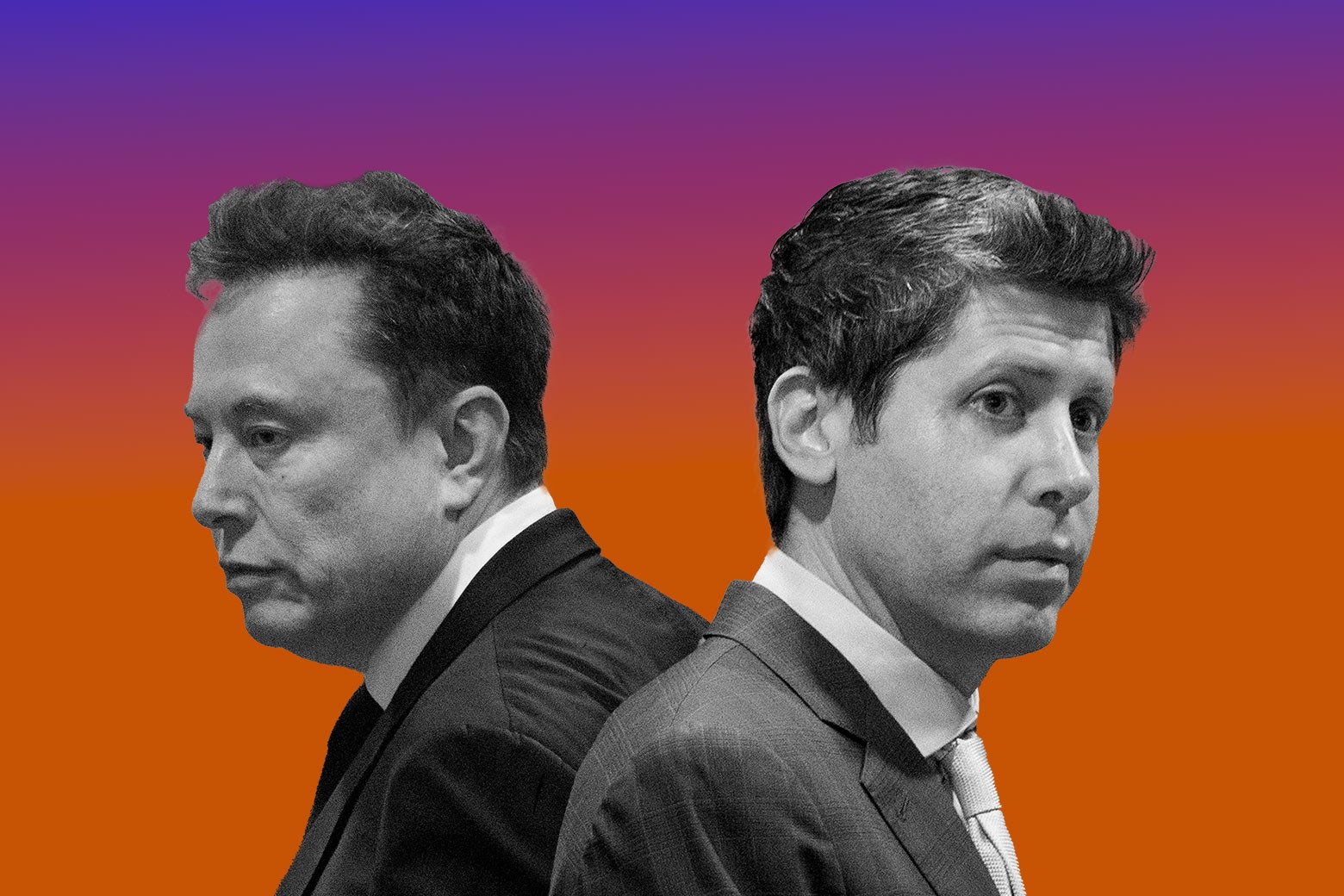
Cover image from slate.com, which was analyzed for this article
Liberals and conservatives oppose new hyperscale AI data centers due to energy demands and land use, per polls. Resistance grows in states like Michigan against tech infrastructure boom. AI investments clash with community concerns.
PoliticalOS
Friday, May 1, 2026 — Tech
The AI boom's physical footprint has created an unexpected bipartisan revolt in communities asked to host massive data centers. Residents across political lines cite higher energy costs, land consumption, secrecy and limited permanent jobs, forcing politicians to confront trade-offs that national rhetoric about innovation often ignores. How lawmakers balance these local concerns with the industry's growth will shape both 2026 elections and the regulatory environment for AI itself.
What outlets missed
Most coverage omitted detailed comparisons between promised construction jobs and the far smaller number of permanent positions that remain once centers operate, a discrepancy that explains much resident skepticism. Outlets also underreported the scale of blocked or delayed projects nationwide, with one tracker estimating more than $64 billion affected across 28 states. Coverage gave limited attention to the specific mechanics of state tax incentives that accelerated proposals while leaving townships without resources to evaluate them. Redacted utility contracts and their legal challenges received only passing mention despite revealing deeper transparency problems. Finally, few connected the local land-use fights to parallel national debates over AI safety legislation and high-stakes primary spending, leaving readers without the full picture of how physical infrastructure disputes are reshaping both local and federal policy.
Growing Resistance to AI Emerges Across Legal Political and Local Fronts
As the artificial intelligence industry hurtles forward, it is encountering friction from unexpected directions. Elon Musk’s legal challenge to Sam Altman, a high-profile congressional primary infused with tech money, and bipartisan local revolts against data centers are revealing the limits of unchecked technological expansion. These developments, unfolding simultaneously this week, suggest that questions about AI’s governance, resource demands, and societal footprint are moving from abstract debate into concrete political conflict.
The personal and philosophical rift between Musk and Altman, two of the most visible figures in AI, reached courtrooms again this spring. Musk, who co-founded OpenAI before departing and later criticizing its shift toward profit-driven motives, has accused Altman of betraying the organization’s original nonprofit mission. Coverage from Slate’s “What Next: TBD” frames the suit as more than personal score-settling. It reflects deeper disagreement about whether AI systems should be developed as rapidly as possible with minimal government intervention or steered with explicit safeguards for safety and public benefit. The lawsuit arrives at a moment when OpenAI and similar companies are pouring billions into ever-larger models that require unprecedented computing power.
That same tension is playing out in New York’s crowded Democratic primary for a Manhattan congressional seat. Alex Bores, a state assemblyman who co-authored legislation establishing some of the nation’s stricter AI accountability rules, has become a target. A super PAC aligned with OpenAI interests has spent heavily on attack ads portraying Bores as an enemy of innovation. The response has been equally muscular. Chris Larsen, the California-based billionaire co-founder of Ripple Labs, announced plans to inject $3.5 million to bolster Bores’s campaign. In interviews, Larsen described the attacks on the candidate as “really despicable,” arguing that the industry’s effort to make an example of a pro-regulation Democrat amounts to raw political intimidation.
The New York contest has effectively become a proxy war. On one side are companies and investors who favor light-touch federal rules that preserve what they call “the freedom to innovate.” On the other are policymakers and funders who believe state-level guardrails on transparency, bias, and safety are necessary before the technology is widely deployed in hiring, lending, criminal justice, and other high-stakes domains. The race is now one of the most expensive Democratic primaries for the House this cycle, illustrating how AI policy has moved from niche regulatory circles into big-donor combat.
While billionaires duel in courts and campaign finance filings, a more visceral form of resistance is building in communities that must host the physical infrastructure of AI. Across Michigan, from Lyon Township to Saline, residents are packing local meetings to oppose hyperscale data centers. These facilities, some approaching two million square feet, dwarf familiar landmarks. One speaker noted that a single proposed project equals roughly 32 NFL football fields. Neighbors describe constant low-frequency noise, increased traffic from construction and maintenance, threats to endangered bat habitats, and enormous consumption of electricity and water at a time when many utilities are already strained.
Strikingly, the opposition shows almost no partisan pattern. In Trump-voting townships and among progressive environmentalists alike, the complaints are similar: these projects privatize profits while socializing costs to local infrastructure, energy rates, and quality of life. Polls cited in recent reporting confirm the sentiment is national and bipartisan. Conservatives worry about government-enabled corporate overreach and the industrialization of rural landscapes. Liberals emphasize climate impacts, given that training and running today’s largest models can emit carbon at levels comparable to small cities. The convergence is rare in a polarized country.
The data-center backlash carries particular weight because it makes the abstract tangible. For years, AI’s champions have spoken of transformative benefits that often feel distant. The costs, by contrast, arrive first in the form of humming servers, flickering lights on the grid, and altered skylines. As one Michigan resident played a recording of noise from an existing center during a public meeting, the abstract debate about “existential risk” or “productivity gains” gave way to immediate, sensory objections.
Taken together, these stories point to a maturing political reality. The AI sector’s ambitions now intersect with democratic institutions at every level: contract law and fiduciary duty in the Musk-Altman suit, campaign finance and legislative authority in New York, and land-use policy and environmental review in townships. Tech executives who once hoped to outrun regulation are discovering that neither courts nor voters appear ready to grant unlimited latitude.
How these conflicts resolve will shape more than one industry. They will test whether the United States can channel a technology as powerful as AI through accountable institutions rather than allowing its trajectory to be set solely by those who control the largest models and the most capital. For now, the signal is clear: the era of frictionless expansion is ending. Communities, candidates, and even rival billionaires are insisting that the future of artificial intelligence must be negotiated, not simply deployed.
You just read Liberal's take. Want to read what actually happened?
More in Technology
Trump Pushes Community Dividends to Ease Data Center Backlash
Trump suggested tech companies pay local communities a 'dividend' to gain support for massive AI data centers amid growing backlash over energy use and infrastructure.
Musk Pledges One SpaceX Share to Every U.S. Child
Musk announced plans to distribute one SpaceX share to each of roughly 73 million American children next year, drawing praise from Trump and signaling closer alignment between the two.

Trump Administration Bans DeepSeek AI From Federal Civilian Agencies
Tech stocks rebounded on AI optimism while hyperscalers and firms navigate data center infrastructure, earnings focus, and regulatory scrutiny including bans on certain Chinese AI tools.

Musk Says He Will Give One SpaceX Share to Every US Child
Elon Musk announced plans to distribute one SpaceX share to every American child in 2027, with hints of further giveaways. The pledge drew coverage across outlets amid broader discussions of AI philanthropy and Musk entities.
The Compass
You just read five takes on one story.
What's your take? Find your political shape in a few minutes.
Take the test