
Colorado Primaries Test Democratic Party's Generational Shift
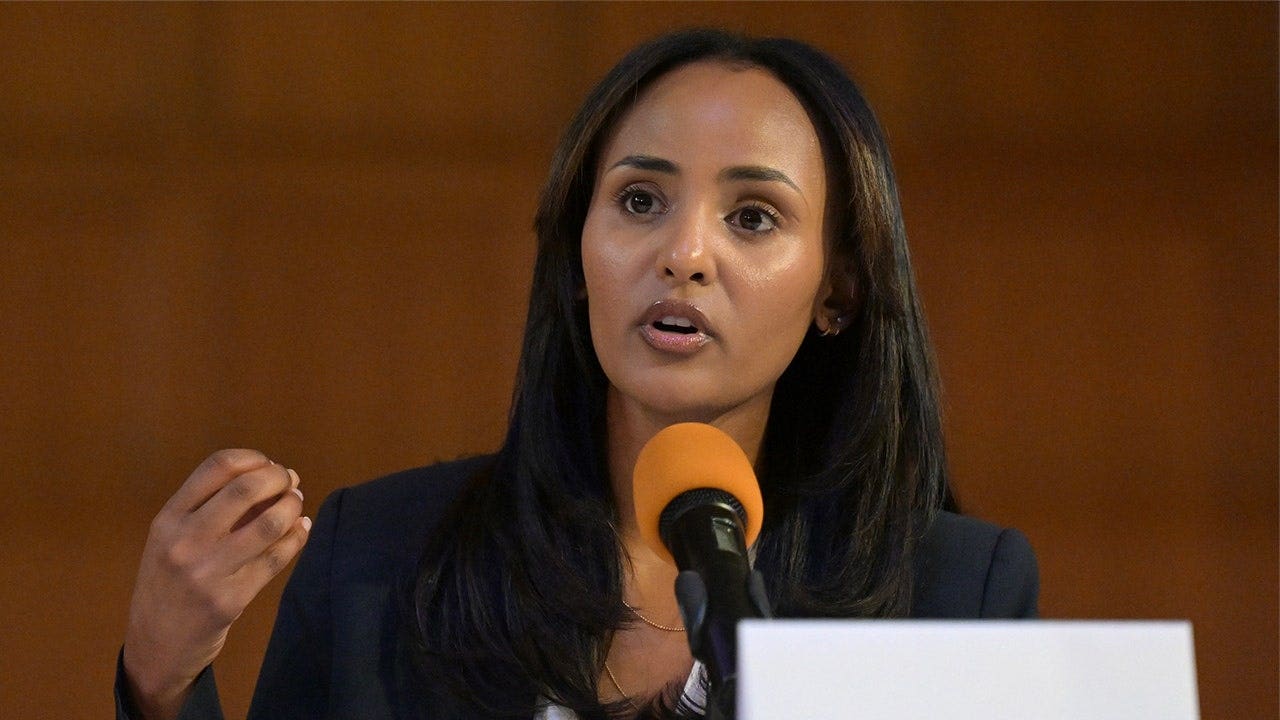
Cover image from foxnews.com, which was analyzed for this article
Democratic socialists are challenging establishment incumbents in Colorado primaries, with a 29-year-old candidate targeting a senior House member. Results highlight tensions between progressives and centrists within the party.
PoliticalOS
Tuesday, June 30, 2026 — Politics
Tuesday’s results will show whether the New York primary pattern repeats in Colorado or whether established Democrats can hold safe seats. The races center on questions of experience, donor influence, and generational turnover within one party.
What outlets missed
Most coverage omitted the March district assembly results showing Kiros receiving 67 percent support from party activists compared with DeGette’s 33 percent, a threshold that nearly kept the incumbent off the ballot. Few outlets detailed Kiros’s November 2023 letter, which opened by stating there was “no justification” for the October 7 attacks before criticizing law-firm responses. Spending totals from pro-Israel-linked groups were reported inconsistently, with some outlets citing $1.5 million and others $2 million without reconciling the figures. The absence of public polling for the DeGette-Kiros race left readers without data on whether the New York results had shifted voter sentiment in Denver.
Voters in Colorado’s deep-blue districts decide Tuesday whether long-serving Democrats retain their seats or yield to younger challengers promising sharper breaks from party norms. The contests arrive one week after progressive insurgents prevailed in New York, raising the stakes for a party still absorbing its 2024 losses.
Three races draw the most attention. In the 1st Congressional District, 15-term Rep. Diana DeGette faces 29-year-old lawyer and doctoral student Melat Kiros. Kiros, backed by Justice Democrats and the Democratic Socialists of America, argues that corporate PAC contributions have dulled DeGette’s effectiveness on health care and foreign policy. DeGette, who leads the House Energy and Commerce health subcommittee, highlights her role managing Trump’s first impeachment and her support for Medicare for All. Outside groups have spent more than $2 million in the race’s final weeks, with Justice Democrats directing over $500,000 toward Kiros and pro-choice PACs linked to pro-Israel donors spending heavily for DeGette.
Statewide, Sen. Michael Bennet seeks the Democratic nomination for governor against Attorney General Phil Weiser. Weiser has closed an earlier gap by emphasizing lawsuits against the Trump administration and criticizing Bennet’s past support for some Trump Cabinet nominees. Sen. John Hickenlooper, 74, faces state Sen. Julie Gonzales, 43, a former Democratic Socialists of America member who faults Hickenlooper for voting to confirm several Trump nominees. Hickenlooper has outraised Gonzales and stresses his Senate work opposing Trump.
The outcomes will test whether dissatisfaction with Democratic leadership translates into primary defeats in safe seats. Winners face minimal Republican opposition in November. No independent polling has been released for the House race; one Weiser-funded survey showed him ahead of Bennet by nine points, while earlier polls favored Bennet.
More in Politics

Federal Agents Search Omar Home in Ongoing Immigration Probe
Homeland Security agents searched the Minnesota Democrat's DC residence in a criminal probe, prompting accusations of political intimidation from Omar and Democratic leaders. Coverage spans left-leaning outlets like NPR, BBC, and The Guardian alongside right-leaning criticism from The Federalist and Daily Wire.

Trump Diesel Import Plan Draws Pushback Over Russia Ties
The weekend agreement drew bipartisan congressional pushback and criticism from Ukraine's Zelenskyy, with analysts downplaying US fuel price impacts. Right-leaning outlets like National Review, Dispatch, and Washington Examiner questioned its legality and effectiveness.

Independents Test Voter Appetite for Middle Ground in 2026 Midterms
Nearly 200 independents are running in competitive races as voters weigh ballot measures on housing costs in states like Massachusetts. Left-leaning coverage from NYT, NPR, and Guardian highlights turnout and key races while right outlets focus on GOP strategy.

Trump Rallies in Alaska, Ohio to Bolster GOP Senate Candidates
The president rallied in Wasilla for Sen. Dan Sullivan and faced empty seats at an Ohio event amid midterm concerns. Outlets across the spectrum covered the trips as signals of GOP vulnerability weeks before Election Day.
The Compass
You just read five takes on one story.
What's your take? Find your political shape in a few minutes.
Take the test