
Utah Data Center Fight Draws Spy Claims as States Weigh Bans
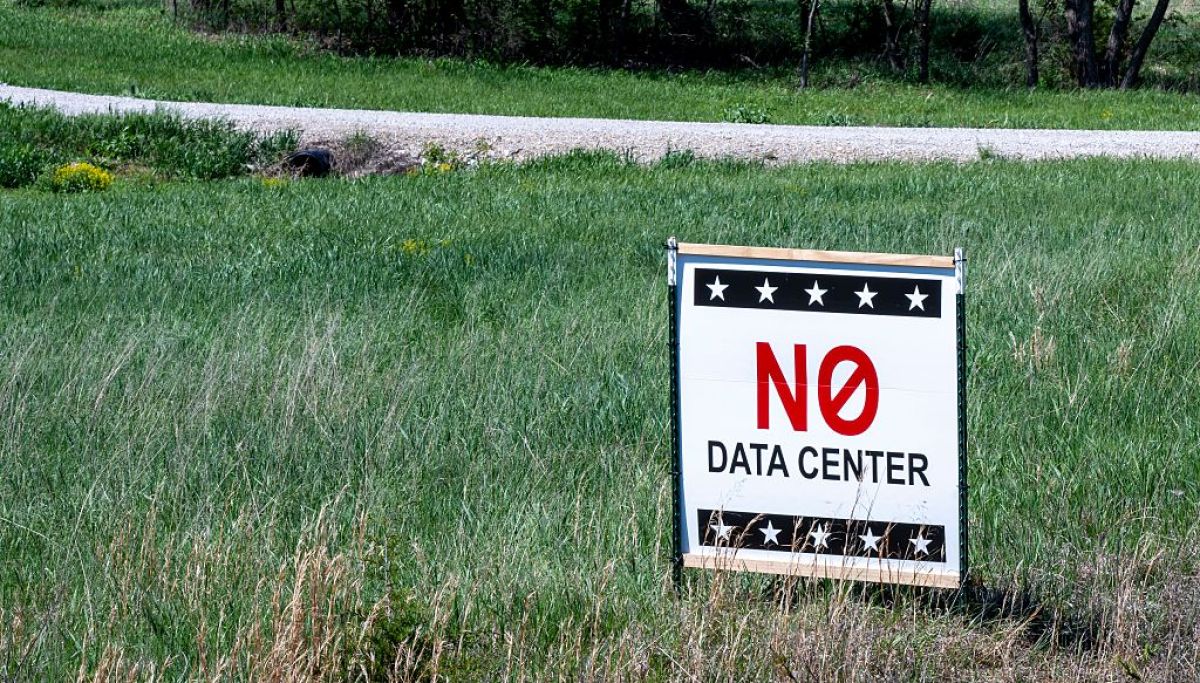
Cover image from washingtonexaminer.com, which was analyzed for this article
Communities push back against proposed data centers with some outlets labeling opponents as potential foreign agents. Debate centers on local control versus economic growth.
PoliticalOS
Saturday, May 23, 2026 — Tech
Local governments retain zoning and permitting authority even as federal environmental statutes and recent industry pledges address some cost and impact concerns. The Utah case illustrates how national-security rhetoric can intensify disputes that ultimately turn on verifiable local resource effects and public-process requirements.
What outlets missed
Neither outlet supplied independent data on actual electricity-rate changes after completed data centers or on measured water withdrawals at comparable facilities. The Mother Jones account omitted documented federal indictments and congressional testimony from 2023-2025 concerning foreign efforts to acquire AI-related infrastructure. The Washington Examiner piece did not examine enforcement records for the cited federal environmental statutes or quantify net fiscal impacts in the North Dakota examples it contrasted.
Opposition to Utah Data Center Project Sparks Accusations of Foreign Influence
Utah political consultant Gabi Finlayson learned last week that she and her colleague Jackie Morgan had been labeled operatives of the Chinese Communist Party by investor Kevin O'Leary. The accusation came after the two women, through their firm Elevate Strategies, opposed a proposed 40,000-acre data center campus by Stratos in the state. O'Leary, appearing on Fox News, claimed his team traced IP addresses linking their group and the nonprofit Alliance for a Better Utah to Chinese interests. Finlayson and Morgan dismissed the claims as fabrications tied to their local advocacy against the project, noting the lack of any evidence presented beyond digital traces.
Similar resistance has surfaced in other states. Maine's governor recently vetoed legislation that would have imposed the first statewide ban on large data centers. At least eleven additional states considered comparable restrictions this year, while federal proposals from Senator Bernie Sanders and Representative Alexandria Ocasio-Cortez seek a nationwide freeze on new construction. Proponents of these measures cite risks of higher electricity rates, environmental strain, and concentrated corporate power. Data centers supporting artificial intelligence and cloud computing do consume substantial energy, and local groups often highlight potential burdens on existing infrastructure.
Yet data centers operate under extensive oversight already. Federal statutes including the Clean Air Act and National Environmental Policy Act apply directly, with states layering further requirements such as energy efficiency standards in California and community assessments in Illinois. Over 300 related bills appeared in more than thirty state legislatures in 2026 alone. Major technology firms have also committed through the Ratepayer Protection Pledge to ensure their facilities do not raise household electricity costs, either by funding new generation or offsetting grid impacts.
Restrictions carry clear economic trade-offs. Blocked or delayed projects since 2024 total more than 160 billion dollars in investment. These facilities support expanding digital services that drive productivity across industries, from manufacturing logistics to medical research. Blanket prohibitions ignore how markets allocate resources when prices reflect true demand, instead substituting political decisions that often favor short-term local concerns over broader gains in innovation and employment. Historical patterns show that limiting supply in energy-intensive sectors tends to raise costs elsewhere while slowing technological progress that ultimately benefits consumers.
The Utah episode illustrates how project opponents sometimes draw scrutiny over external connections. While Finlayson and Morgan reject any foreign ties and emphasize their focus on community impacts, the use of IP analysis by project backers reflects heightened awareness of competitive pressures from China in critical technologies. Data infrastructure underpins national capabilities in artificial intelligence and data security, areas where adversarial influence could carry strategic weight. Local debates over land use and power needs remain legitimate, but framing all development as inherently extractive overlooks the incentives that have positioned the United States as a leader in these fields.
Policy responses that prioritize moratoriums risk ceding ground to nations with fewer internal constraints on building such capacity. Targeted regulations addressing specific grid upgrades or environmental reviews can address legitimate issues without halting activity that generates tax revenue and skilled jobs. Evidence from states with special rate classes for large users suggests utilities can manage demand through pricing rather than outright bans. The pattern of opposition, whether rooted in genuine local priorities or amplified by external narratives, ultimately tests whether communities weigh immediate disruptions against sustained economic expansion.
You just read Conservative's take. Want to read what actually happened?
More in Technology
Trump Pushes Community Dividends to Ease Data Center Backlash
Trump suggested tech companies pay local communities a 'dividend' to gain support for massive AI data centers amid growing backlash over energy use and infrastructure.
Musk Pledges One SpaceX Share to Every U.S. Child
Musk announced plans to distribute one SpaceX share to each of roughly 73 million American children next year, drawing praise from Trump and signaling closer alignment between the two.

Trump Administration Bans DeepSeek AI From Federal Civilian Agencies
Tech stocks rebounded on AI optimism while hyperscalers and firms navigate data center infrastructure, earnings focus, and regulatory scrutiny including bans on certain Chinese AI tools.

Musk Says He Will Give One SpaceX Share to Every US Child
Elon Musk announced plans to distribute one SpaceX share to every American child in 2027, with hints of further giveaways. The pledge drew coverage across outlets amid broader discussions of AI philanthropy and Musk entities.
The Compass
You just read five takes on one story.
What's your take? Find your political shape in a few minutes.
Take the test