
Foreign Funding Backs Pushback on AI Data Centers
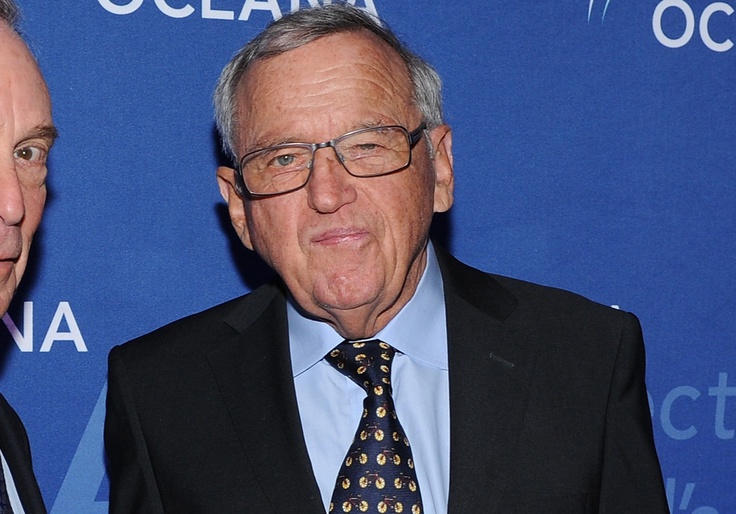
Cover image from freebeacon.com, which was analyzed for this article
Communities and foreign-funded efforts are pushing back against large data center builds over environmental and energy concerns, highlighting tensions in the AI boom.
PoliticalOS
Tuesday, May 26, 2026 — Tech
Documented foreign grants totaling nearly $40 million reached U.S. environmental and advocacy groups calling for a data-center moratorium, yet local concerns over energy costs and land use also predate those grants. Policymakers must weigh infrastructure needs against verifiable community impacts without assuming every objection originates overseas.
What outlets missed
Neither outlet examined the scale of purely domestic opposition funding or the specific permitting decisions blocked by local zoning boards without foreign involvement. Both omitted quantitative data on actual electricity-price increases attributable to data centers versus other demand drivers. Coverage also left unaddressed the technical feasibility of the moratorium proposals and any counter-proposals from the data-center industry itself.
Foreign Donors Bankroll Campaigns Against American Data Centers
Foreign billionaires and foundations have directed tens of millions of dollars to American activist organizations that are pressing for restrictions on data center construction, according to funding records reviewed by the American Energy Institute and Americans for Public Trust.
The contributions come as demand for data centers rises sharply with the expansion of artificial intelligence and cloud computing. Several groups that signed a December 2025 letter urging Congress to impose a national moratorium on new facilities have received substantial support from overseas sources. Swiss national Hansjörg Wyss stands out among the donors. Records show he has given nearly 14 million dollars to four organizations that backed the moratorium call: 7.455 million to the Indivisible Project, 4.382 million to Americans for Financial Reform, 2.107 million to the Sierra Club, and 50,000 to Greenpeace USA.
British hedge fund manager Chris Hohn has supplied 200,000 dollars to Extinction Rebellion, another signatory to the same letter. Additional groups listed on the document, including 350.org, Friends of the Earth, Global Alliance for Incinerator Alternatives, the John Muir Project, New York Communities for Change, and Oil Change International, have drawn money from the United Kingdom based Oak Foundation and the Danish KR Foundation. The Oak Foundation alone has provided 7.5 million to 350.org, 6.375 million to GAIA, 550,000 to New York Communities for Change, and 4 million to Oil Change International. The KR Foundation has sent nearly 1.1 million to 350.org.
Data centers require large amounts of reliable electricity and land. Their growth has prompted local debates over zoning, power supply, and water use in several states. The groups receiving foreign money frame their opposition around environmental concerns and community impacts. Critics note that the funding originates outside the United States and coincides with efforts by foreign governments to narrow the American lead in advanced computing.
The pattern of overseas support for domestic advocacy is not new. Similar flows have appeared in past disputes over energy infrastructure and regulatory policy. In this case, the organizations involved have coordinated public statements and lobbying aimed at slowing approvals for facilities that power much of the current wave of technological development. Proponents of continued construction point to the economic activity generated by data centers, including construction jobs, tax revenue, and the infrastructure that supports industries ranging from finance to medical research.
Funding disclosures indicate that the foreign contributions predate the December 2025 moratorium letter by several years. The money has supported general operations at the recipient groups, which in turn allocate resources to multiple campaigns. American Energy Institute analysts compiled the figures from tax filings and grant reports, highlighting the concentration of support among a small number of non-American donors.
No evidence has surfaced that the foreign funders direct day to day strategy inside the recipient organizations. The scale of the transfers, however, raises questions about the independence of the domestic debate over data center policy. Groups that receive the bulk of their budgets from a handful of overseas philanthropists face incentives to align priorities with those donors long term goals.
The United States currently hosts the majority of the worlds advanced data centers. Expansion plans announced by major technology companies depend on steady permitting and access to power generation. Any broad moratorium would alter investment decisions and shift some activity to jurisdictions with fewer constraints. Records of the foreign donations provide one measurable indicator of the resources arrayed against that expansion.
You just read Conservative's take. Want to read what actually happened?
More in Technology
Trump Pushes Community Dividends to Ease Data Center Backlash
Trump suggested tech companies pay local communities a 'dividend' to gain support for massive AI data centers amid growing backlash over energy use and infrastructure.
Musk Pledges One SpaceX Share to Every U.S. Child
Musk announced plans to distribute one SpaceX share to each of roughly 73 million American children next year, drawing praise from Trump and signaling closer alignment between the two.

Trump Administration Bans DeepSeek AI From Federal Civilian Agencies
Tech stocks rebounded on AI optimism while hyperscalers and firms navigate data center infrastructure, earnings focus, and regulatory scrutiny including bans on certain Chinese AI tools.

Musk Says He Will Give One SpaceX Share to Every US Child
Elon Musk announced plans to distribute one SpaceX share to every American child in 2027, with hints of further giveaways. The pledge drew coverage across outlets amid broader discussions of AI philanthropy and Musk entities.
The Compass
You just read five takes on one story.
What's your take? Find your political shape in a few minutes.
Take the test