
Foreign Funding Backs Pushback on AI Data Centers
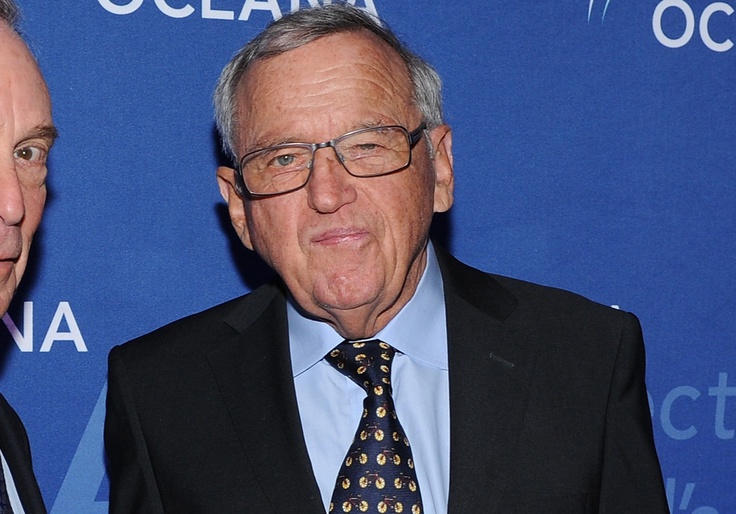
Cover image from freebeacon.com, which was analyzed for this article
Communities and foreign-funded efforts are pushing back against large data center builds over environmental and energy concerns, highlighting tensions in the AI boom.
PoliticalOS
Tuesday, May 26, 2026 — Tech
Documented foreign grants totaling nearly $40 million reached U.S. environmental and advocacy groups calling for a data-center moratorium, yet local concerns over energy costs and land use also predate those grants. Policymakers must weigh infrastructure needs against verifiable community impacts without assuming every objection originates overseas.
What outlets missed
Neither outlet examined the scale of purely domestic opposition funding or the specific permitting decisions blocked by local zoning boards without foreign involvement. Both omitted quantitative data on actual electricity-price increases attributable to data centers versus other demand drivers. Coverage also left unaddressed the technical feasibility of the moratorium proposals and any counter-proposals from the data-center industry itself.
Foreign Money Fuels Push to Block Data Centers Across America
Foreign billionaires are pouring tens of millions into activist networks urging a national halt to new data centers, records from donor filings and nonprofit reports reveal. The effort targets facilities essential for artificial intelligence growth and American technological leadership.
Swiss national Hansjörg Wyss stands out among the contributors. He has directed nearly 14 million dollars to four organizations that signed a December 2025 letter demanding Congress impose a moratorium on data center approvals and construction. Those groups include the Indivisible Project, which received 7.455 million from Wyss, Americans for Financial Reform at 4.382 million, the Sierra Club at 2.107 million, and Greenpeace USA at 50,000 dollars, according to tracking by Americans for Public Trust.
British hedge fund manager Chris Hohn added 200,000 dollars to Extinction Rebellion, another signatory to the same moratorium call. Additional environmental outfits backing the letter, such as 350.org, Friends of the Earth, and Oil Change International, have accepted large sums from the U.K.-based Oak Foundation and Denmark's KR Foundation. Oak alone supplied 7.5 million to 350.org and millions more to allied campaigns.
The pattern shows coordinated funding from outside the United States aimed at groups framing data centers as environmental threats. Data centers power the computing infrastructure behind AI systems, cloud services, and digital expansion that have driven recent American economic gains. A broad freeze would stall projects already underway in states from Virginia to Texas and slow the rollout of next-generation technology.
Proponents of the moratorium argue it would curb energy use and land development. Critics note that data centers represent a fraction of total U.S. electricity demand while supporting industries that employ hundreds of thousands and generate substantial tax revenue. Foreign donors listed in the filings maintain no public U.S. political operations yet channel resources through nonprofit channels that influence domestic policy debates.
The American Energy Institute report compiling these contributions highlights how overseas wealth shapes opposition to infrastructure viewed as vital for national competitiveness. Wyss and Hohn have histories of climate-focused giving that extends beyond borders. Their support aligns with campaigns that question the pace of American innovation without addressing similar buildouts occurring in China and other competitor nations.
Local resistance to data centers has surfaced in several communities over noise, water consumption, and grid strain. The foreign funding documented in public records adds a layer of external direction to what organizers present as grassroots concerns. Groups receiving the donations have not disclosed the overseas sources in their public messaging on the moratorium.
Continued American progress in AI and related fields depends on reliable power and computing capacity. Efforts backed by noncitizen donors to limit that capacity raise questions about whose interests are served when domestic projects face sudden regulatory roadblocks. The donor data, drawn from tax filings through March 2026, provides a clear accounting of the money trail behind the current push.
You just read America First's take. Want to read what actually happened?
More in Technology
Trump Pushes Community Dividends to Ease Data Center Backlash
Trump suggested tech companies pay local communities a 'dividend' to gain support for massive AI data centers amid growing backlash over energy use and infrastructure.
Musk Pledges One SpaceX Share to Every U.S. Child
Musk announced plans to distribute one SpaceX share to each of roughly 73 million American children next year, drawing praise from Trump and signaling closer alignment between the two.

Trump Administration Bans DeepSeek AI From Federal Civilian Agencies
Tech stocks rebounded on AI optimism while hyperscalers and firms navigate data center infrastructure, earnings focus, and regulatory scrutiny including bans on certain Chinese AI tools.

Musk Says He Will Give One SpaceX Share to Every US Child
Elon Musk announced plans to distribute one SpaceX share to every American child in 2027, with hints of further giveaways. The pledge drew coverage across outlets amid broader discussions of AI philanthropy and Musk entities.
The Compass
You just read five takes on one story.
What's your take? Find your political shape in a few minutes.
Take the test