
Foreign Funding Backs Pushback on AI Data Centers
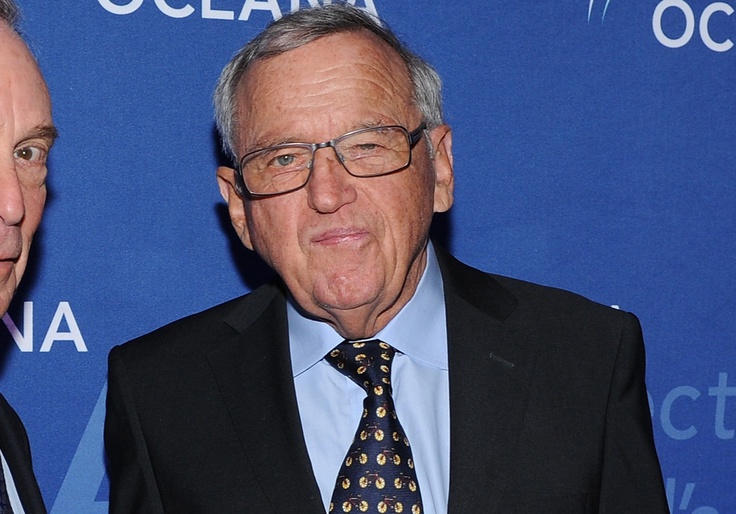
Cover image from freebeacon.com, which was analyzed for this article
Communities and foreign-funded efforts are pushing back against large data center builds over environmental and energy concerns, highlighting tensions in the AI boom.
PoliticalOS
Tuesday, May 26, 2026 — Tech
Documented foreign grants totaling nearly $40 million reached U.S. environmental and advocacy groups calling for a data-center moratorium, yet local concerns over energy costs and land use also predate those grants. Policymakers must weigh infrastructure needs against verifiable community impacts without assuming every objection originates overseas.
What outlets missed
Neither outlet examined the scale of purely domestic opposition funding or the specific permitting decisions blocked by local zoning boards without foreign involvement. Both omitted quantitative data on actual electricity-price increases attributable to data centers versus other demand drivers. Coverage also left unaddressed the technical feasibility of the moratorium proposals and any counter-proposals from the data-center industry itself.
Overseas Donors Back Groups Seeking Pause on New Data Centers
Records from nonprofit filings show that foreign billionaires and foundations have directed tens of millions of dollars to American organizations that signed a December 2025 letter urging Congress to impose a national moratorium on new data centers. The largest single contributor identified is Swiss philanthropist Hansjörg Wyss, whose foundation gave nearly 14 million dollars to four signatories between 2019 and early 2026. Those recipients include the Indivisible Project, which received more than 7.4 million dollars, Americans for Financial Reform at 4.38 million dollars, the Sierra Club at roughly 2.1 million dollars, and Greenpeace USA at 50,000 dollars.
British hedge-fund manager Chris Hohn added 200,000 dollars to Extinction Rebellion, another signatory. Additional groups on the letter, among them 350.org, Friends of the Earth, Oil Change International, and the Global Alliance for Incinerator Alternatives, received grants from the U.K.-based Oak Foundation and the Danish KR Foundation totaling more than 19 million dollars across several years. The funding figures were compiled by the watchdog group Americans for Public Trust and reviewed in a report issued by the American Energy Institute.
Data centers already account for roughly 4 percent of U.S. electricity consumption, and projections from the Department of Energy and private forecasters indicate that share could double by 2030 as artificial-intelligence workloads expand. The groups argue that rapid build-out threatens grid reliability, raises local electricity rates, and locks in fossil-fuel generation. The letter they circulated called for an immediate halt to new approvals until Congress enacts comprehensive siting standards and requires full disclosure of energy sources.
Wyss has long supported U.S. environmental organizations through his foundation, describing the grants as part of a broader effort to address climate change. Oak and KR foundations similarly frame their giving around global decarbonization. None of the disclosed grants were earmarked specifically for anti-data-center work; rather, they flowed into general operating budgets of organizations whose missions encompass both climate advocacy and community organizing.
Critics of the funding pattern contend that foreign donors can shape domestic infrastructure debates without electoral accountability. Supporters reply that philanthropy crossing borders is routine in climate policy, just as U.S. foundations support clean-energy projects abroad. The distinction, they note, lies less in nationality than in whether the grants distort local priorities or simply amplify existing concerns over land use, water consumption, and transmission upgrades.
The moratorium proposal has not advanced in Congress. Several states, however, have tightened permitting rules or required utilities to publish data-center load forecasts. Industry analysts expect continued friction wherever new facilities compete with residential growth for scarce transmission capacity and where local officials weigh tax revenue against perceived environmental costs.
Whether foreign philanthropy accelerates or merely reflects those tensions remains a question for disclosure rules and donor transparency, areas where federal reporting requirements for 501(c)(3) and 501(c)(4) groups have changed little in the past decade.
You just read Liberal's take. Want to read what actually happened?
More in Technology
Trump Pushes Community Dividends to Ease Data Center Backlash
Trump suggested tech companies pay local communities a 'dividend' to gain support for massive AI data centers amid growing backlash over energy use and infrastructure.
Musk Pledges One SpaceX Share to Every U.S. Child
Musk announced plans to distribute one SpaceX share to each of roughly 73 million American children next year, drawing praise from Trump and signaling closer alignment between the two.

Trump Administration Bans DeepSeek AI From Federal Civilian Agencies
Tech stocks rebounded on AI optimism while hyperscalers and firms navigate data center infrastructure, earnings focus, and regulatory scrutiny including bans on certain Chinese AI tools.

Musk Says He Will Give One SpaceX Share to Every US Child
Elon Musk announced plans to distribute one SpaceX share to every American child in 2027, with hints of further giveaways. The pledge drew coverage across outlets amid broader discussions of AI philanthropy and Musk entities.
The Compass
You just read five takes on one story.
What's your take? Find your political shape in a few minutes.
Take the test