
Foreign Funding Backs Pushback on AI Data Centers
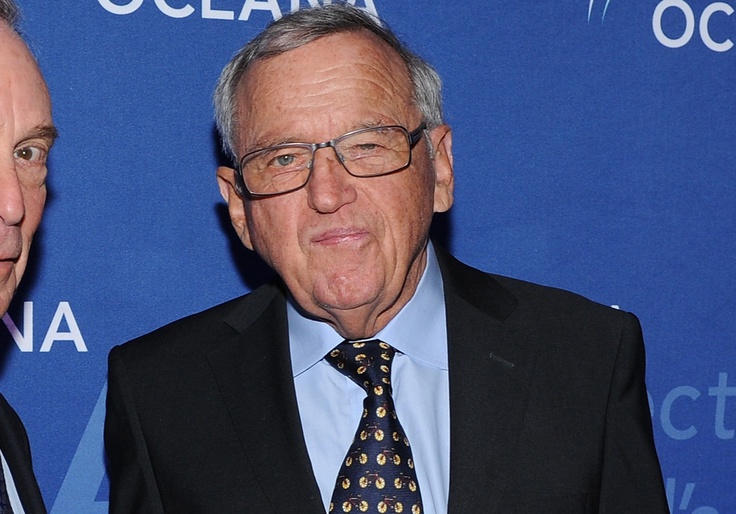
Cover image from freebeacon.com, which was analyzed for this article
Communities and foreign-funded efforts are pushing back against large data center builds over environmental and energy concerns, highlighting tensions in the AI boom.
PoliticalOS
Tuesday, May 26, 2026 — Tech
Documented foreign grants totaling nearly $40 million reached U.S. environmental and advocacy groups calling for a data-center moratorium, yet local concerns over energy costs and land use also predate those grants. Policymakers must weigh infrastructure needs against verifiable community impacts without assuming every objection originates overseas.
What outlets missed
Neither outlet examined the scale of purely domestic opposition funding or the specific permitting decisions blocked by local zoning boards without foreign involvement. Both omitted quantitative data on actual electricity-price increases attributable to data centers versus other demand drivers. Coverage also left unaddressed the technical feasibility of the moratorium proposals and any counter-proposals from the data-center industry itself.
Conservative Outlets Blame Foreign Donors for Pushback on Data Center Boom
Right-leaning publications have zeroed in on overseas philanthropists bankrolling environmental and progressive groups that signed a December 2025 letter urging Congress to pause new data center approvals. The reports single out Swiss billionaire Hansjörg Wyss and British hedge fund manager Chris Hohn as major contributors to organizations including the Sierra Club, Greenpeace USA, 350.org and Extinction Rebellion. Records compiled by Americans for Public Trust show Wyss alone directed nearly $14 million to four of the signatories, while the Oak Foundation, based in Britain, has sent millions more to climate-focused nonprofits.
The coverage frames these donations as part of a coordinated effort to hobble American technological leadership, particularly in artificial intelligence. Yet the letter itself rests on straightforward domestic grievances: data centers already consume roughly 4 percent of U.S. electricity, with projections showing that share doubling by 2030. Utilities in Virginia, Georgia and Texas have warned of reliability risks and the need for new gas plants or delayed coal retirements to meet the load. Water consumption for cooling towers has also sparked fights in drought-prone counties, where local residents—not foreign activists—have packed zoning hearings.
Wyss’s foundation has long supported land conservation and public-health initiatives inside the United States; its grants to the Sierra Club and similar groups predate the current data-center controversy by years. Hohn’s gifts have gone primarily to climate litigation and policy work aimed at reducing global emissions, a priority shared by many American foundations. The same reports that flag these overseas contributions rarely note that U.S. tech companies themselves rely on international investors and supply chains, nor do they examine the billions in state tax breaks and federal incentives routinely extended to data-center developers.
Environmental organizations listed in the letter maintain that their opposition stems from public records on grid strain and pollution rather than directives from Zurich or London. Sierra Club chapters in multiple states have tracked specific projects through local permitting dockets, citing increased nitrogen-oxide emissions and aquifer drawdown. Groups such as Oil Change International have published analyses showing that hyperscale facilities can lock in decades of fossil-fuel generation, undercutting state clean-energy targets.
Critics of the moratorium letter argue that pausing construction would cede ground to China in AI development. Supporters counter that unregulated expansion simply shifts costs onto ratepayers and frontline communities already burdened by power-plant siting. Both claims can be evaluated against Energy Information Administration data and state regulatory filings without invoking shadowy foreign cabals. The funding disclosures add a layer of transparency worth examining, but they do not erase the measurable infrastructure and environmental pressures documented by U.S. utilities and local governments.
You just read Progressive's take. Want to read what actually happened?
More in Technology
Trump Pushes Community Dividends to Ease Data Center Backlash
Trump suggested tech companies pay local communities a 'dividend' to gain support for massive AI data centers amid growing backlash over energy use and infrastructure.
Musk Pledges One SpaceX Share to Every U.S. Child
Musk announced plans to distribute one SpaceX share to each of roughly 73 million American children next year, drawing praise from Trump and signaling closer alignment between the two.

Trump Administration Bans DeepSeek AI From Federal Civilian Agencies
Tech stocks rebounded on AI optimism while hyperscalers and firms navigate data center infrastructure, earnings focus, and regulatory scrutiny including bans on certain Chinese AI tools.

Musk Says He Will Give One SpaceX Share to Every US Child
Elon Musk announced plans to distribute one SpaceX share to every American child in 2027, with hints of further giveaways. The pledge drew coverage across outlets amid broader discussions of AI philanthropy and Musk entities.
The Compass
You just read five takes on one story.
What's your take? Find your political shape in a few minutes.
Take the test