
Ebola Outbreak Tests US Global Health Capacity After Funding Cuts
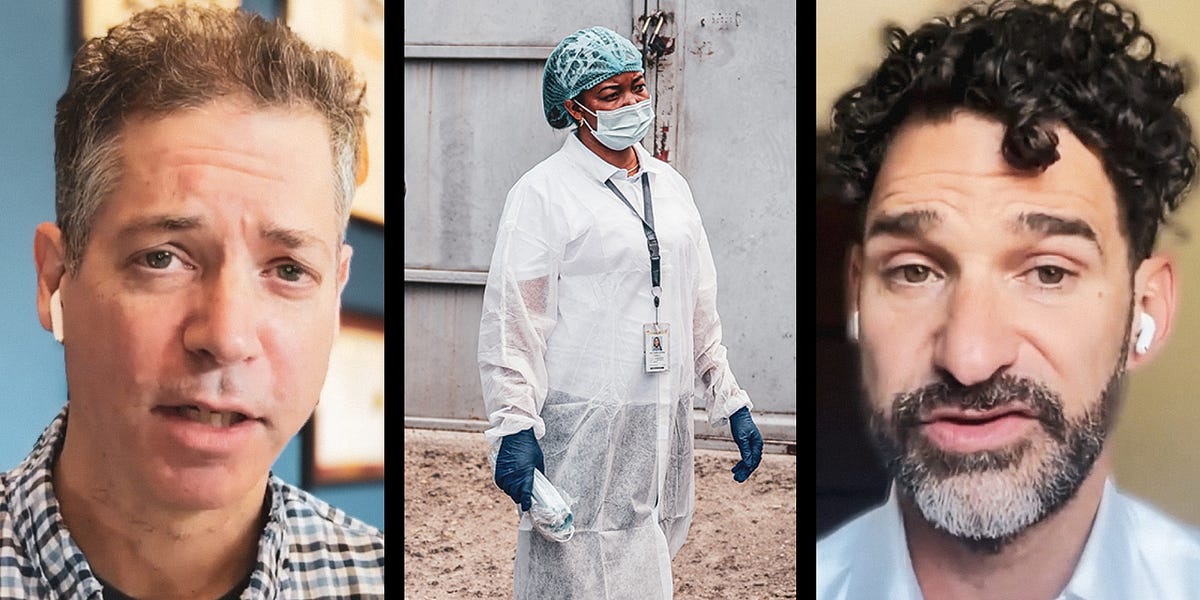
Cover image from thebulwark.com, which was analyzed for this article
Experts warn funding cuts have left the US unable to contain a new Ebola strain, with travel disruptions already occurring. The outbreak is raising alarms about reduced international health aid.
PoliticalOS
Thursday, May 21, 2026 — Politics
The outbreak has exposed real reductions in US global health infrastructure, yet the United States continues limited surveillance and treatment support on the ground. Whether these narrower efforts can substitute for earlier broad-based networks remains the central unresolved question.
What outlets missed
Most coverage omitted the specific CDC screening protocols implemented on May 18, 2026, and the administration's claim that 130 CDC personnel remain active in the region. Few outlets detailed the administration's stated rationale for restructuring USAID or exiting the WHO, such as performance reviews and funding reallocations. Little attention was given to the Africa CDC's explicit call against fear-driven travel restrictions or to the fact that African scientists had already sequenced the new strain. The range of case and death counts reported across sources was rarely reconciled.
A new Ebola outbreak in central Africa has killed more than 100 people and prompted fresh questions about whether the United States can still help contain dangerous pathogens abroad after sharp reductions in foreign health assistance. The Bundibugyo strain, which has no approved vaccine or cure, has produced hundreds of suspected cases since April, mostly in the Democratic Republic of the Congo, with smaller numbers reported in Uganda and possible spread into South Sudan. The World Health Organization declared a public health emergency of international concern shortly after detection. US foreign aid to the DRC fell from $1.4 billion in 2024 to $431 million in 2025 and just $21 million so far in 2026, according to figures cited by Georgetown University researcher Matthew Kavanagh. Similar cuts hit Uganda. The Agency for International Development was dismantled, thousands of health-agency staff were laid off, and the United States withdrew from the WHO, ending $130 million in annual support. A specialized NIH Ebola laboratory in Maryland was closed. Experts such as Scripps Research professor Kristian Andersen and former CDC director Tom Frieden have warned that these steps removed early-warning networks and rapid-response partnerships that previously limited outbreaks. At the same time, the CDC has activated enhanced entry screening for travelers from affected countries and maintains roughly 130 staff in the DRC and Uganda to support surveillance and case management. The administration has also funded up to 50 frontline treatment clinics and increased shipments of protective equipment. Officials note that primary responsibility for contact tracing and community engagement rests with national governments, while the Africa CDC has urged countries to avoid broad travel bans that could further strain local health systems. The central tension remains whether targeted US measures now in place can compensate for the loss of broader surveillance capacity built over prior decades.
More in Politics

Federal Agents Search Omar Home in Ongoing Immigration Probe
Homeland Security agents searched the Minnesota Democrat's DC residence in a criminal probe, prompting accusations of political intimidation from Omar and Democratic leaders. Coverage spans left-leaning outlets like NPR, BBC, and The Guardian alongside right-leaning criticism from The Federalist and Daily Wire.

Trump Diesel Import Plan Draws Pushback Over Russia Ties
The weekend agreement drew bipartisan congressional pushback and criticism from Ukraine's Zelenskyy, with analysts downplaying US fuel price impacts. Right-leaning outlets like National Review, Dispatch, and Washington Examiner questioned its legality and effectiveness.

Independents Test Voter Appetite for Middle Ground in 2026 Midterms
Nearly 200 independents are running in competitive races as voters weigh ballot measures on housing costs in states like Massachusetts. Left-leaning coverage from NYT, NPR, and Guardian highlights turnout and key races while right outlets focus on GOP strategy.
Trump Rallies in Alaska, Ohio to Bolster GOP Senate Candidates
The president rallied in Wasilla for Sen. Dan Sullivan and faced empty seats at an Ohio event amid midterm concerns. Outlets across the spectrum covered the trips as signals of GOP vulnerability weeks before Election Day.
The Compass
You just read five takes on one story.
What's your take? Find your political shape in a few minutes.
Take the test