
Ebola Outbreak in Congo Triggers US Travel Curbs

Cover image from nypost.com, which was analyzed for this article
An Ebola outbreak in Africa has killed over 100, including at least one American, leading to new US travel curbs. Health officials call it a wake-up call amid aid concerns.
PoliticalOS
Tuesday, May 19, 2026 — Politics
The outbreak involves a difficult-to-treat strain in a conflict-affected region, prompting targeted U.S. entry restrictions and medical evacuations while global health agencies scale surveillance. Readers should note that detection delays stem from multiple factors including infrastructure gaps and the virus itself, not solely recent funding changes.
What outlets missed
Most coverage omitted the armed conflict in Ituri province, which has long disrupted health infrastructure and population movement, creating independent barriers to early detection. Few reports noted that the Bundibugyo strain's limited prior outbreaks and absence of vaccines directly constrain response options beyond funding levels. Variations in case counts between suspected and laboratory-confirmed figures were rarely explained, leaving readers without clarity on how rapidly the outbreak is being verified. The specific evacuation of the infected American doctor to Germany rather than the United States received inconsistent detail across outlets.
An Ebola outbreak centered in eastern Democratic Republic of Congo has killed at least 131 people and prompted the United States to restrict entry for non-citizens who recently visited affected countries. The measures, announced by the Centers for Disease Control and Prevention, reflect concern over a strain with no approved vaccines or treatments and a history of rapid local spread.
The CDC order blocks foreign travelers who have been in the Democratic Republic of Congo, Uganda or South Sudan within the past 21 days. It applies for 30 days and does not affect U.S. citizens, green-card holders or service members. Officials described the immediate risk to the American public as low while sending additional staff to the region and arranging medical evacuations.
One confirmed case involves an American physician, Peter Stafford, who tested positive after treating patients at Nyankunde Hospital in Bunia. Stafford, affiliated with the medical missionary group Serge, developed symptoms over the weekend and is being flown to Germany for care. At least six other Americans exposed to the virus are also being relocated, according to CDC statements. His wife and two additional colleagues remain under quarantine without symptoms.
The World Health Organization declared the outbreak a public health emergency of international concern after confirming the Bundibugyo strain. This variant has produced only two prior recorded outbreaks and lacks targeted countermeasures, complicating containment. Suspected cases exceed 500 across Congo and Uganda, with confirmed infections reported in urban areas including Kampala and Goma.
Health authorities in both countries have expanded surveillance, contact tracing and laboratory testing. The WHO has released $3.9 million in emergency funds and delivered nearly 12 tons of protective equipment. Regional officials urge residents to avoid physical contact and report symptoms promptly.
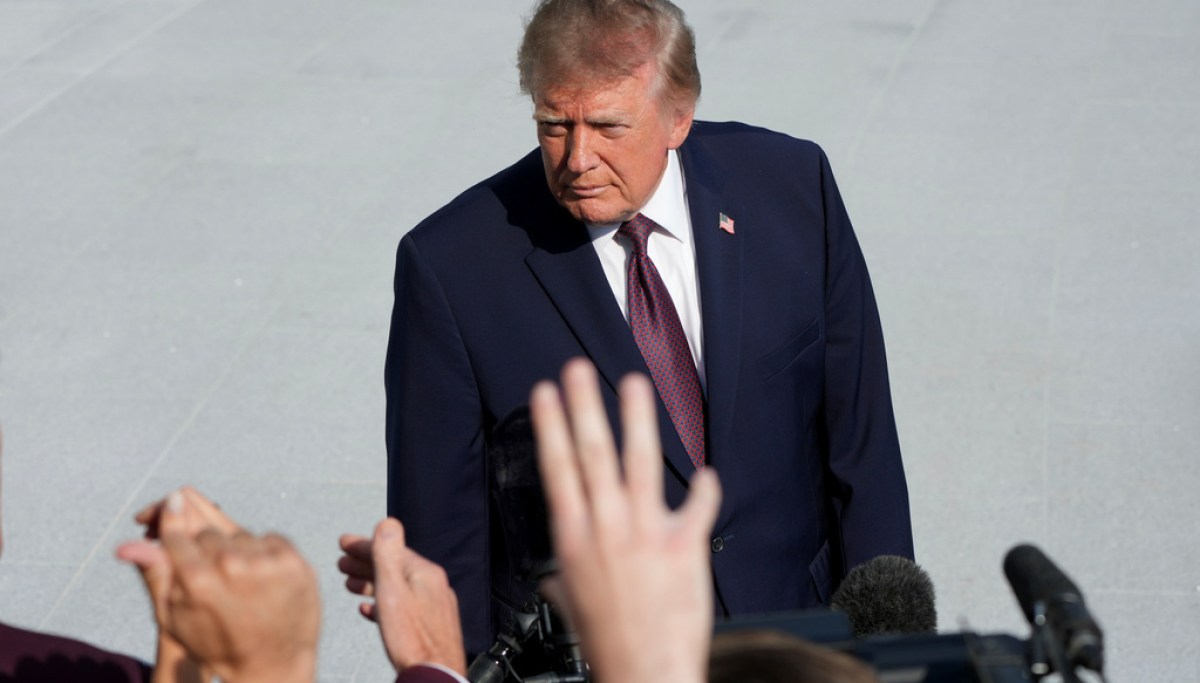
President Trump stated he is concerned about the situation but noted it remains confined to Africa. The CDC emphasized that enhanced screening at ports of entry and coordination with airlines will help identify potential exposures.
More in Politics

Federal Agents Search Omar Home in Ongoing Immigration Probe
Homeland Security agents searched the Minnesota Democrat's DC residence in a criminal probe, prompting accusations of political intimidation from Omar and Democratic leaders. Coverage spans left-leaning outlets like NPR, BBC, and The Guardian alongside right-leaning criticism from The Federalist and Daily Wire.

Trump Diesel Import Plan Draws Pushback Over Russia Ties
The weekend agreement drew bipartisan congressional pushback and criticism from Ukraine's Zelenskyy, with analysts downplaying US fuel price impacts. Right-leaning outlets like National Review, Dispatch, and Washington Examiner questioned its legality and effectiveness.

Independents Test Voter Appetite for Middle Ground in 2026 Midterms
Nearly 200 independents are running in competitive races as voters weigh ballot measures on housing costs in states like Massachusetts. Left-leaning coverage from NYT, NPR, and Guardian highlights turnout and key races while right outlets focus on GOP strategy.
Trump Rallies in Alaska, Ohio to Bolster GOP Senate Candidates
The president rallied in Wasilla for Sen. Dan Sullivan and faced empty seats at an Ohio event amid midterm concerns. Outlets across the spectrum covered the trips as signals of GOP vulnerability weeks before Election Day.
The Compass
You just read five takes on one story.
What's your take? Find your political shape in a few minutes.
Take the test