
Democrats Plan Midterm Responses Amid Probes and Rigging Claims

Cover image from theguardian.com, which was analyzed for this article
Reports detail Democratic planning against GOP challenges to voting and foreign donation probes. Trump claims about California vote rigging preview midterm battles.
PoliticalOS
Thursday, June 11, 2026 — Politics
Both parties are actively preparing legal and messaging strategies for November, with Republicans citing specific compliance records at ActBlue and Democrats citing statements from the president. The central unresolved question remains whether documented procedural concerns or post-election challenges will determine outcomes more than the other.
What outlets missed
Congressional records detail 146 Fifth Amendment invocations by ActBlue employees and compliance staff departures that establish an independent timeline for the probe. Texas Attorney General Ken Paxton’s April 2026 lawsuit alleging specific misleading donation practices was not referenced in every account. California state data on mail ballot rejection rates between 1% and 3% and prior county-level fraud prosecutions were omitted from opinion framing that treated delayed counts solely as administrative routine.
Democrats Plan Responses to Midterm Scenarios as Republicans Examine Fundraising Practices
Democratic senators including Minority Leader Chuck Schumer held a closed meeting last week with party election officials to review possible disruptions in the November midterms. The session addressed contingencies such as federal agents at polling sites, ballot handling disputes in competitive states, and foreign interference attempts. Schumer stated that repeated comments from President Trump about election vulnerabilities required preparation for various outcomes.
Separately, House Republicans have advanced inquiries into ActBlue, the major Democratic online fundraising platform, focusing on its controls against donations from foreign nationals. The probe seeks records of international communications and internal screening procedures, following an April directive from the White House citing evidence that overseas actors have targeted such platforms. ActBlue CEO Regina Wallace-Jones has described the review as unwarranted and maintained that the organization applies multiple verification steps.
Rep. Terri Sewell of Alabama criticized the investigation as part of a pattern of actions against Black women in leadership roles. Republican lawmakers have countered that the inquiry targets potential legal violations rather than individuals, noting prior instances where foreign funds reached U.S. campaigns through lax online systems. The House Administration Committee has scheduled further testimony on donation processing standards.
In California’s recent primary, results in several races remain incomplete due to the state’s voting rules. President Trump posted claims that Democratic candidates were positioned to benefit from irregularities. State officials and election analysts have reported no widespread irregularities sufficient to alter outcomes, though final tallies in the governor’s race and other contests are still pending. Similar assertions from Trump in past cycles prompted court challenges that largely failed for lack of evidence.
The dual developments reflect ongoing tensions over election administration. Democrats have emphasized safeguards against executive branch actions that could affect local processes, while Republicans stress the need for transparency in campaign finance to prevent external influence. Past midterm cycles have seen documented foreign efforts to shape voter information through social media and other channels, according to intelligence assessments from multiple administrations.
Both parties have increased legal and messaging preparations ahead of November. Federal statutes already prohibit foreign nationals from contributing to U.S. elections, yet enforcement relies on platform compliance and agency oversight. The current probes into ActBlue coincide with broader reviews of online donation systems used across the political spectrum.
State and local officials retain primary responsibility for conducting elections, with federal involvement limited to specific statutory roles. Meetings such as the one held by Senate Democrats illustrate how parties anticipate disputes over vote counting and certification. Historical data from prior elections show that most challenges are resolved through established recount and audit procedures rather than novel interventions.
Observers note that sustained public confidence depends on consistent application of verification rules to all participants. Continued scrutiny of fundraising mechanisms and polling operations is expected to shape coverage through the summer and fall.
You just read Conservative's take. Want to read what actually happened?
More in Politics
Polls Show Democratic Edges in Pennsylvania House Races Amid Kansas Senate Strain
Early voting began in key states with Democrats showing edges in House races and Trump barnstorming to defy headwinds as forecasters highlight competitive battlegrounds.

Trump Defends Ramaswamy Ad Using Estranged Mother in Ohio Race
President Trump defended a GOP nominee's ad featuring a Democratic opponent's estranged mother, calling it powerful, while drawing criticism from some Republicans including Ohio Gov. Mike DeWine. The ad has sparked internal GOP tensions ahead of midterms.
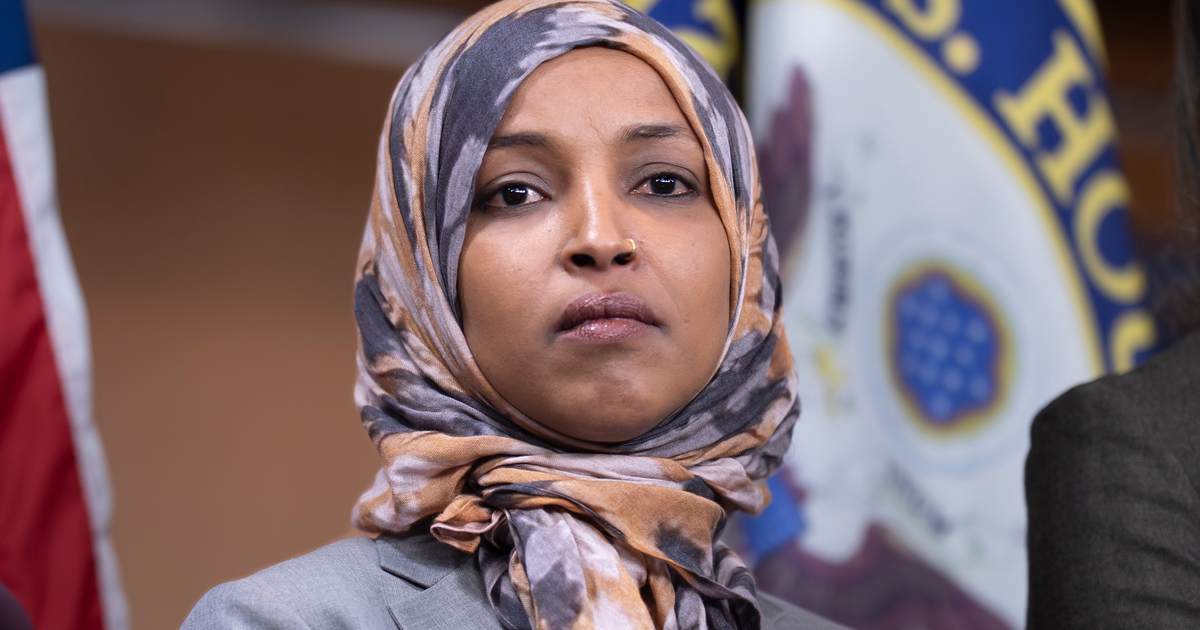
Federal Raid Targets Omar Amid Unresolved Name and Marriage Allegations
Agents searched Rep. Ilhan Omar's DC residence over immigration fraud allegations; she called it bizarre. Reports and commentary questioned her birth name and past marriage details.

Supreme Court Upholds New Hampshire Student ID Voting Ban
The Supreme Court upheld New Hampshire's ban on student IDs as valid voter identification just before midterms, affecting a tight Senate race.
The Compass
You just read five takes on one story.
What's your take? Find your political shape in a few minutes.
Take the test