
Democrats Plan Midterm Responses Amid Probes and Rigging Claims

Cover image from theguardian.com, which was analyzed for this article
Reports detail Democratic planning against GOP challenges to voting and foreign donation probes. Trump claims about California vote rigging preview midterm battles.
PoliticalOS
Thursday, June 11, 2026 — Politics
Both parties are actively preparing legal and messaging strategies for November, with Republicans citing specific compliance records at ActBlue and Democrats citing statements from the president. The central unresolved question remains whether documented procedural concerns or post-election challenges will determine outcomes more than the other.
What outlets missed
Congressional records detail 146 Fifth Amendment invocations by ActBlue employees and compliance staff departures that establish an independent timeline for the probe. Texas Attorney General Ken Paxton’s April 2026 lawsuit alleging specific misleading donation practices was not referenced in every account. California state data on mail ballot rejection rates between 1% and 3% and prior county-level fraud prosecutions were omitted from opinion framing that treated delayed counts solely as administrative routine.
Democrats Plan Responses to Potential Midterm Interference by Trump Administration
Democratic leaders are preparing legal and messaging strategies for scenarios in which the Trump administration or foreign actors attempt to disrupt the 2026 midterm elections. The effort reflects concerns that President Trump will use federal authority to challenge results in key states if Republicans underperform.
Last week, ten Democratic senators, including Minority Leader Chuck Schumer, met with party election officials to review contingency plans. Discussions covered the deployment of federal agents at polling sites, the seizure of ballots in contested districts, and responses to foreign interference campaigns. Schumer stated that repeated comments from Trump about altering or violating election processes required the party to treat such risks as credible. The session was described as a form of war-gaming rather than routine briefing.
These preparations follow Trump’s public statements questioning the integrity of California’s recent primary. Trump claimed that Democrats were attempting to steal the governor’s race after early results showed his preferred candidates trailing. State officials and election analysts have not identified irregularities that would support those assertions. California’s open primary system, which advances the top two candidates regardless of party, has produced delayed counts in past cycles, but experts attribute the current uncertainty to standard procedural factors rather than coordinated fraud.
Republicans have pursued separate lines of inquiry into Democratic fundraising. House committees are examining ActBlue, a major online donation platform, over potential acceptance of foreign contributions. The investigation includes demands for internal communications and has drawn criticism from Democrats, who describe it as selective enforcement aimed at party infrastructure. ActBlue maintains that its screening processes exceed legal requirements, though Republican lawmakers argue that gaps remain in verifying donor locations.
The overlapping developments illustrate how both parties are positioning themselves around the mechanics of vote counting and campaign finance ahead of November. Democrats have focused on institutional safeguards and rapid legal response, while Republicans have emphasized oversight of donor platforms and skepticism toward results in states with large Democratic margins. Trump’s pattern of disputing outcomes when his candidates fall short has become a recurring feature of post-election periods, raising questions about how state and local officials will manage disputes if margins are narrow.
Election administration in the United States remains decentralized, with authority divided among states and localities. This structure limits the practical reach of any single federal intervention but also creates multiple points where challenges can arise. Observers note that the combination of presidential rhetoric, congressional investigations, and advance planning by opposition parties has become a standard element of the pre-midterm environment.
You just read Liberal's take. Want to read what actually happened?
More in Politics
Polls Show Democratic Edges in Pennsylvania House Races Amid Kansas Senate Strain
Early voting began in key states with Democrats showing edges in House races and Trump barnstorming to defy headwinds as forecasters highlight competitive battlegrounds.

Trump Defends Ramaswamy Ad Using Estranged Mother in Ohio Race
President Trump defended a GOP nominee's ad featuring a Democratic opponent's estranged mother, calling it powerful, while drawing criticism from some Republicans including Ohio Gov. Mike DeWine. The ad has sparked internal GOP tensions ahead of midterms.
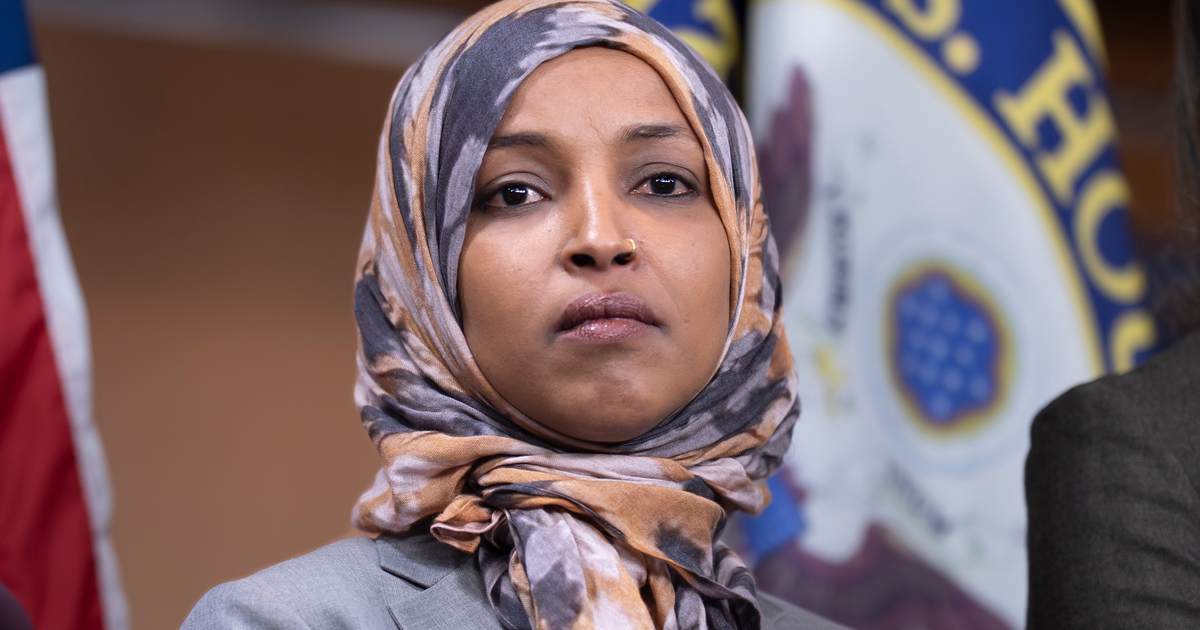
Federal Raid Targets Omar Amid Unresolved Name and Marriage Allegations
Agents searched Rep. Ilhan Omar's DC residence over immigration fraud allegations; she called it bizarre. Reports and commentary questioned her birth name and past marriage details.

Supreme Court Upholds New Hampshire Student ID Voting Ban
The Supreme Court upheld New Hampshire's ban on student IDs as valid voter identification just before midterms, affecting a tight Senate race.
The Compass
You just read five takes on one story.
What's your take? Find your political shape in a few minutes.
Take the test