
Johnson Unveils 3-Year FISA 702 Plan as April 30 Deadline Looms

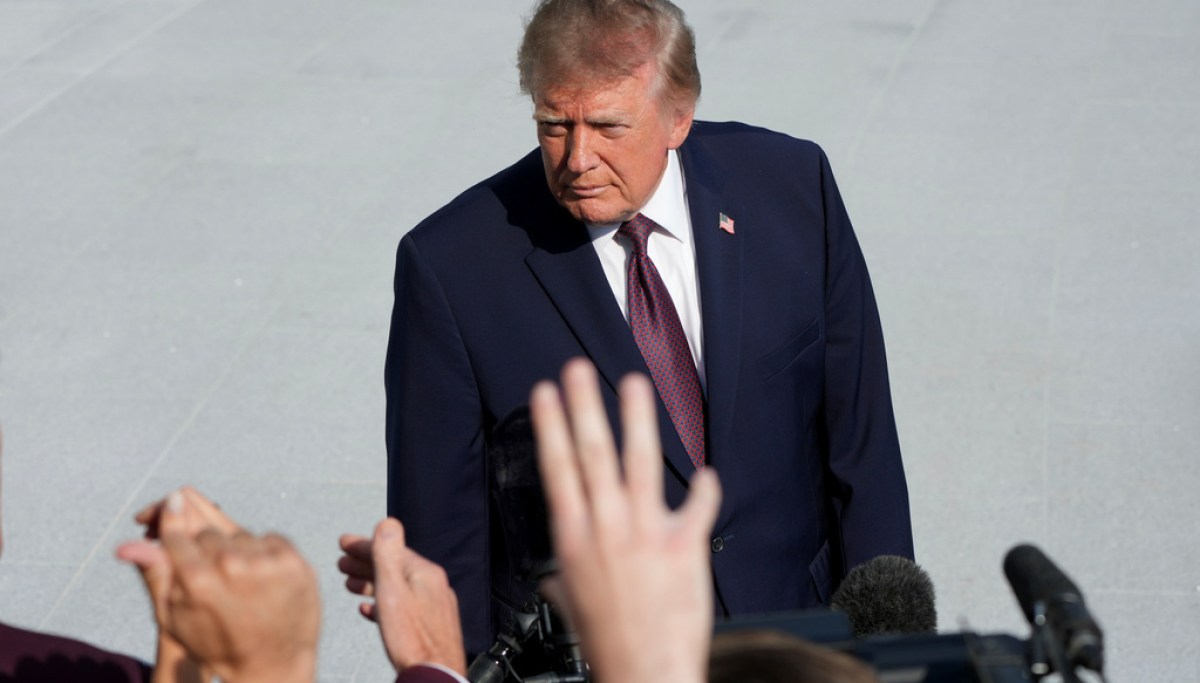
Cover image from thedispatch.com, which was analyzed for this article
After failed votes, Speaker Johnson offers fresh bill to renew surveillance powers by April 30 deadline. GOP battles over curbing abuses in Section 702 persist. Privacy vs security debate heats up.
PoliticalOS
Friday, April 24, 2026 — Politics
Congress must decide by April 30 whether to renew Section 702 with only modest oversight additions or insist on a warrant requirement for queries of Americans' incidentally collected communications. The program has produced both clear national security value according to intelligence officials and repeated FBI compliance violations according to court records. Readers should weigh both sides of that ledger rather than accept any single outlet's emphasis on dysfunction, privacy or threat prevention.
What outlets missed
Most coverage underplayed the scale of the program's documented successes. Annual ODNI assessments credit Section 702 with contributing intelligence that helped disrupt terrorist financing, weapons transfers and planned attacks, though specific counts remain classified and are presented by officials seeking renewal. Coverage also gave little attention to 2024 legislative changes that added FBI query restrictions, mandatory training and outside amici for the FISA Court; these reforms coincided with reported drops in non-compliant searches according to DOJ oversight summaries. Finally, the precise volume of incidental U.S. person collection is not public, yet estimates derived from declassified sampling suggest it affects communications involving hundreds of thousands of foreign targets each year, a context that clarifies both the privacy stakes and the intelligence value without appearing in most reporting.
A critical U.S. intelligence authority faces expiration in days. Without renewal, officials warn, the government could lose access to foreign communications that have thwarted terrorist plots and other threats. Yet the program also sweeps up Americans' messages, texts and calls without warrants, feeding a database that the FBI has searched hundreds of thousands of times in ways courts later deemed improper.
That tension defined last week's chaotic House votes. Speaker Mike Johnson first advanced a five-year reauthorization with limited changes, then an 18-month version. Both failed on procedural motions after roughly 20 Republicans joined nearly all Democrats in opposition, according to congressional records. Lawmakers instead passed a 10-day extension by unanimous consent, shifting the deadline to April 30 and buying time for negotiations. On Thursday Johnson released a revised three-year bill that adds monthly reporting requirements for FBI queries of Americans' data, increases criminal penalties for willful misuse and mandates extra training. It stops short of the warrant requirement demanded by privacy advocates.
Section 702, added to the Foreign Intelligence Surveillance Act in 2008, lets intelligence agencies target non-U.S. persons abroad believed to be involved in terrorism or national security threats. The program cannot deliberately target Americans or anyone inside the United States. Communications incidentally collected when targets contact U.S. persons are stored for up to five years and can be queried by the FBI, CIA and NSA. The Foreign Intelligence Surveillance Court oversees the program through classified proceedings in which only the government typically participates.
Declassified court filings show the FBI ran more than 278,000 queries on U.S. persons' data between 2020 and early 2022 that violated rules or were later deemed non-compliant, a period the court described as featuring "persistent and widespread" problems. The bureau must now obtain supervisor or attorney approval for most such searches and is barred from using them for ordinary criminal investigations. Annual training is required. Privacy advocates, including the Brennan Center's Elizabeth Goitein and Rep. Jamie Raskin, argue these internal checks are insufficient and that the Fourth Amendment demands judicial warrants before agents review Americans' communications.
National security officials counter that adding a warrant process would slow legitimate investigations and risk missing threats. Former NSA general counsel Glenn Gerstell described Johnson's latest tweaks as modest gestures toward privacy without undermining operational needs. President Trump, who once posted that lawmakers should "KILL FISA" over its prior use against his campaign under a different authority, now supports renewal. "I am willing to risk the giving up of my Rights and Privileges as a Citizen for our Great Military and Country," he wrote on Truth Social, citing military leaders who say the program has prevented attacks.
Rep. Thomas Massie and Sen. Rand Paul have insisted on a warrant requirement. Sen. Ron Wyden has warned of a still-classified legal interpretation of the program that he says would stun the public if revealed; that assertion could not be independently verified in open sources. Bipartisan talks continue. Rep. Jim Himes, the top Democrat on the House Intelligence Committee, said negotiations with Johnson and others aim for an inclusive process. The House Rules Committee is scheduled to meet Monday.
The central unresolved question remains whether Congress will insist on stronger curbs, accept Johnson's adjustments or risk a lapse. Intelligence officials have told lawmakers the program is vital; civil libertarians counter that repeated compliance failures show the status quo is unsustainable. A reader who follows only the partisan coverage would miss how both the documented overreach and the program's foreign-intelligence yield sit on the same ledger. The coming week will test whether lawmakers can reconcile them before the clock runs out.
More in Politics

Federal Agents Search Omar Home in Ongoing Immigration Probe
Homeland Security agents searched the Minnesota Democrat's DC residence in a criminal probe, prompting accusations of political intimidation from Omar and Democratic leaders. Coverage spans left-leaning outlets like NPR, BBC, and The Guardian alongside right-leaning criticism from The Federalist and Daily Wire.

Trump Diesel Import Plan Draws Pushback Over Russia Ties
The weekend agreement drew bipartisan congressional pushback and criticism from Ukraine's Zelenskyy, with analysts downplaying US fuel price impacts. Right-leaning outlets like National Review, Dispatch, and Washington Examiner questioned its legality and effectiveness.

Independents Test Voter Appetite for Middle Ground in 2026 Midterms
Nearly 200 independents are running in competitive races as voters weigh ballot measures on housing costs in states like Massachusetts. Left-leaning coverage from NYT, NPR, and Guardian highlights turnout and key races while right outlets focus on GOP strategy.
Trump Rallies in Alaska, Ohio to Bolster GOP Senate Candidates
The president rallied in Wasilla for Sen. Dan Sullivan and faced empty seats at an Ohio event amid midterm concerns. Outlets across the spectrum covered the trips as signals of GOP vulnerability weeks before Election Day.
The Compass
You just read five takes on one story.
What's your take? Find your political shape in a few minutes.
Take the test