
FISA Section 702 Surveillance Powers Set to Expire at Midnight

Cover image from techcrunch.com, which was analyzed for this article
Surveillance law faces expiration for first time as lawmakers reject Trump pick for spy agencies. Debate continues over renewal and oversight.
PoliticalOS
Friday, June 12, 2026 — Politics
The expiration stems from a narrow political dispute over one appointment rather than a broad rejection of the surveillance program itself. Existing court orders allow collection to continue for nearly a year, but the statutory gap still creates operational and legal uncertainty for intelligence agencies and telecommunications providers.
What outlets missed
Most coverage omitted that existing FISA Court certifications approved in March 2026 keep collection authority intact through March 2027 regardless of statutory lapse. Outlets also underplayed the availability of Executive Order 12333 as a continuing legal basis for overseas surveillance. Few noted that phone companies could still decline to supply certain call-detail records without the specific Section 702 statutory cover. The precise two-thirds majority requirement for the House procedural vote and the scheduled June 23 follow-up vote received inconsistent attention across reports.
Trump's Spy Chief Gambit Forces Expiration of Warrantless Surveillance Law
Congress allowed a cornerstone US surveillance authority to lapse for the first time in its history after lawmakers blocked a short-term extension in protest over President Donald Trump's decision to install an unqualified ally as acting director of national intelligence.
The House rejected the measure Thursday in a 218-198 vote that fell short of the two-thirds majority required for passage. Nineteen Republicans joined nearly all Democrats in opposing the bill, which would have kept Section 702 of the Foreign Intelligence Surveillance Act in force beyond its midnight Friday deadline. Senate efforts to advance their own versions collapsed as well.
Section 702 permits intelligence agencies to collect communications of foreigners abroad without a warrant. The program incidentally sweeps in vast amounts of Americans' private data when they correspond with targeted individuals, a practice that has drawn bipartisan criticism for years over repeated compliance failures and lack of judicial oversight.
The immediate trigger for the breakdown was Trump's appointment of Bill Pulte, the federal housing finance regulator and major Republican donor with no intelligence background, to serve as acting DNI. Democratic leaders made clear they would not back any extension while Pulte remained in the role. Senate Minority Leader Chuck Schumer stated that Pulte "has to go" because the position is too important for an unqualified occupant.
Trump attempted to defuse the standoff by naming Jay Clayton, a former Securities and Exchange Commission chairman, as his permanent pick. The move came too late to salvage the legislation before the deadline. Lawmakers have scheduled another vote for June 23, but the program will operate without legal authorization in the interim.
The impasse highlights longstanding concerns that extend far beyond the Pulte nomination. Privacy advocates have long argued that Section 702 requires fundamental changes, including warrants before agencies can query US persons' communications. Both parties have documented instances of improper queries under previous administrations, yet the Trump White House had pushed for a clean reauthorization without reforms.
The lapse leaves intelligence agencies in uncertain legal territory at a time when threats from foreign hackers and terrorist networks remain acute. It also underscores how Trump's personnel decisions have repeatedly created self-inflicted obstacles to routine national security functions. With the law now expired, the administration and Congress face renewed pressure to resolve both the leadership dispute and the underlying surveillance authorities before any resumption can occur.
You just read Progressive's take. Want to read what actually happened?
More in Politics
Polls Show Democratic Edges in Pennsylvania House Races Amid Kansas Senate Strain
Early voting began in key states with Democrats showing edges in House races and Trump barnstorming to defy headwinds as forecasters highlight competitive battlegrounds.

Trump Defends Ramaswamy Ad Using Estranged Mother in Ohio Race
President Trump defended a GOP nominee's ad featuring a Democratic opponent's estranged mother, calling it powerful, while drawing criticism from some Republicans including Ohio Gov. Mike DeWine. The ad has sparked internal GOP tensions ahead of midterms.
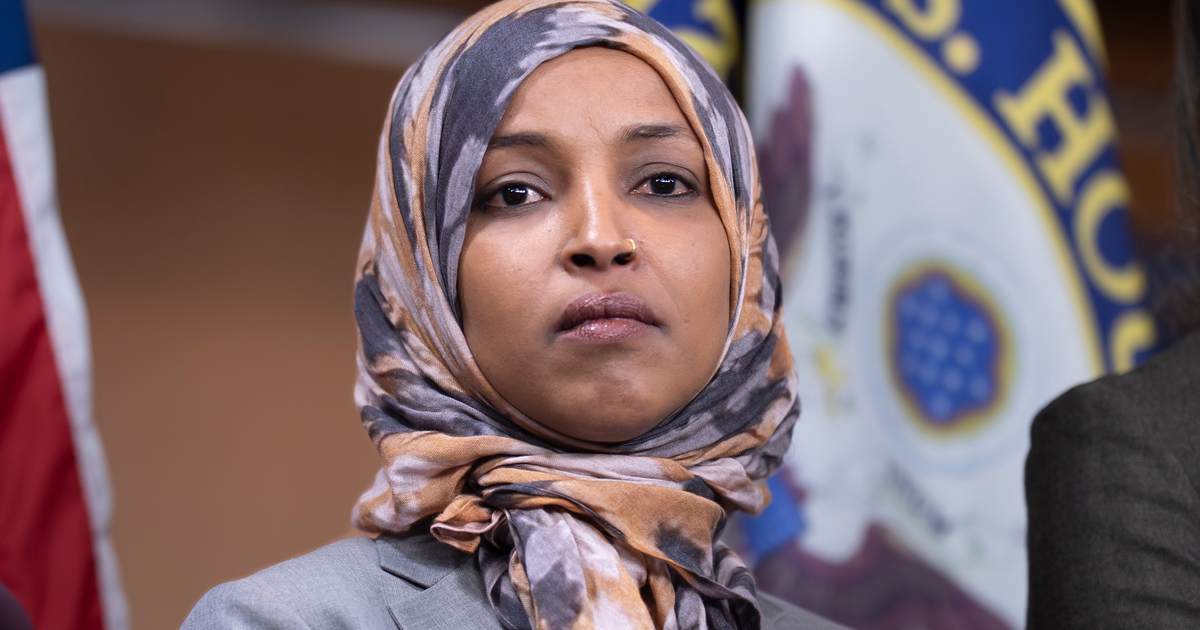
Federal Raid Targets Omar Amid Unresolved Name and Marriage Allegations
Agents searched Rep. Ilhan Omar's DC residence over immigration fraud allegations; she called it bizarre. Reports and commentary questioned her birth name and past marriage details.

Supreme Court Upholds New Hampshire Student ID Voting Ban
The Supreme Court upheld New Hampshire's ban on student IDs as valid voter identification just before midterms, affecting a tight Senate race.
The Compass
You just read five takes on one story.
What's your take? Find your political shape in a few minutes.
Take the test